Admissions Blog

Undergraduate Admissions Uncensored

  • admissions.blog

Pros and Cons of Brigham Young University

Posted on February 27, 2023 by Craig Meister Leave a Comment

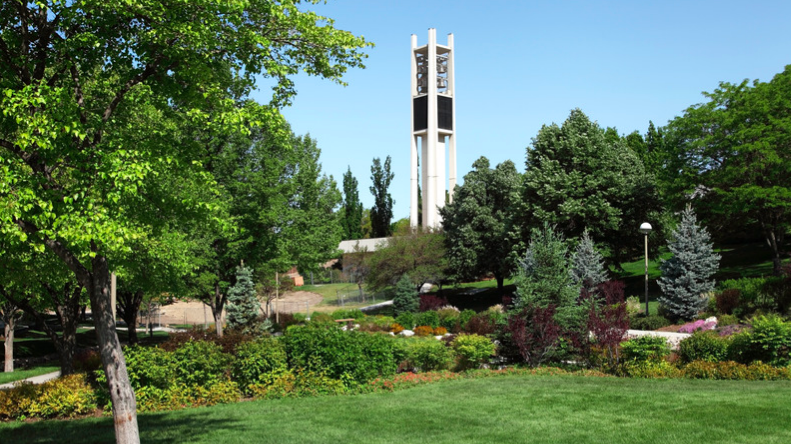
BYU’s Campus in Provo, Utah, USA.

Today’s reader question comes from Suzie in Topeka, Kansas:

Question: Brigham Young University seems great for me based on what I’ve read on its website. But a lot of my friends and even my high school counselor have urged me to not to consider it because of its faith-based culture. It seems like people either love BYU or hate it. What’s the deal with that?

Answer: The United States is a free country, which means a diversity of views on all topics is to be expected. Yet, even I find the very strongly held views about BYU to be startling. I think what you are experiencing comes down to those who view religion in general and The Church of Jesus Christ of Latter-day Saints in particular with suspicion versus those who are relatively “agnostic” towards attending a religiously-affiliated college and those who view it as a net positive. I encourage you – and all students – to dig deeper than by simply viewing BYU through the lens of religion.

First the basics: Brigham Young University (BYU) is a private research university located in Provo, Utah. It is owned and operated by The Church of Jesus Christ of Latter-day Saints, and as such, its educational philosophy is rooted in the values and principles of the LDS Church. As of Fall 2022, Brigham Young University’s main campus in Provo had an enrollment of approximately 31,389 undergraduate students. With 51% female and 49% male, 77% of students were single and 23% were married. The university has 195 undergraduate majors, 112 undergraduate minors, 98 master’s programs, and 30 doctoral programs. About 36% of students are from Utah, 12% from California, 6% from Arizona, 6% from Texas, 5% from Idaho, and 5% from Washington. In terms of student ethnicity, Caucasian make up 81%, Hispanics or Latinos make up 9%, two or more races make up 4.5%, Asians make up 3%, Pacific Islanders make up 1%, Blacks make up 1%, and American Indians less than 1% of the student population. There were 1,241 international students enrolled in Fall 2022, and they came from 102 countries total with the top three countries represented being Canada, Mexico, and South Korea.

Here are some reasons why BYU can be a great place to be an undergraduate student:

Strong Academics: BYU offers a wide range of undergraduate majors and programs, including highly regarded programs in business, engineering, and education. The university is consistently ranked among the top 100 national research universities in the United States by U.S. News & World Report.

Language Education: BYU has one of the largest and most comprehensive language programs in the United States. The university offers courses in over 70 languages, including less commonly taught languages such as Arabic, Chinese, and Russian. BYU also has a Language Training Mission, where students can receive intensive language instruction and practice in a simulated immersion environment.

Athletic Tradition: BYU has a strong athletic tradition, particularly in football and basketball. The university is a member of the West Coast Conference and has won numerous conference championships and national titles. BYU’s athletic programs are known for their emphasis on sportsmanship and moral values.

Quality Faculty: The faculty at BYU are highly accomplished and dedicated to teaching. Many professors have received national and international recognition for their research, and the student-faculty ratio is low, which allows for more personalized attention from professors.

Honor Code: The BYU Honor Code promotes a culture of integrity, respect, and accountability. Students are expected to live by certain standards of behavior and dress, and the university provides resources and support to help students meet these expectations.

Campus Culture: BYU’s campus culture is centered around the values of the LDS Church, including service, leadership, and faith. Students are encouraged to participate in service opportunities both on and off campus, and the university offers many programs and resources to help students strengthen their faith.

Campus Beauty: BYU’s campus is known for its beautiful and well-manicured grounds. The university has won numerous awards for its landscaping, including recognition from the Professional Grounds Management Society. The campus features numerous fountains, sculptures, and gardens, as well as stunning views of the nearby mountains.

Student Life: BYU has a vibrant student life, with numerous student organizations, clubs, and activities. Students can get involved in sports, music, theater, and other extracurricular activities, and there are many opportunities for socializing and making friends.

Location: Provo is a beautiful and safe city located at the base of the Wasatch Mountains. The area offers many opportunities for outdoor recreation, including hiking, skiing, and mountain biking. The city also has a thriving downtown area with many restaurants, shops, and cultural events.
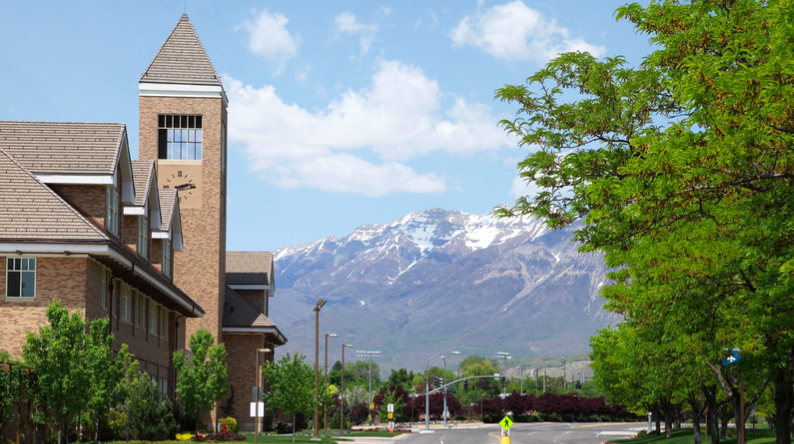
Another view of BYU’s campus.

Overall, I think Brigham Young University is a great place to be an undergraduate student for those who are interested in a strong academic program, a culture of integrity and respect, and opportunities for personal and spiritual growth. I am particularly fond of and think some of the highlights of BYU’s campus include:

BYU Museum of Art: The BYU Museum of Art is one of the largest and most impressive art museums in the Intermountain West. The museum features over 18,000 works of art from various cultures and time periods, including paintings, sculptures, and photographs. The museum also hosts numerous temporary exhibits and events throughout the year.

Harold B. Lee Library: The Harold B. Lee Library is one of the largest academic libraries in the United States, with over 7 million volumes in its collection. The library also features several unique and impressive spaces, including the Sunburst Atrium and the Special Collections Reading Room, which houses rare books and manuscripts.

BYU Broadcasting: BYU is home to a state-of-the-art broadcasting facility that includes several television and radio stations. BYU Broadcasting produces a wide variety of programming, including news, sports, and entertainment. The facility also offers students opportunities to gain hands-on experience in broadcasting and media production.

LaVell Edwards Stadium: LaVell Edwards Stadium is the home of BYU’s football team and is one of the largest stadiums in the state of Utah. The stadium seats over 63,000 fans and features a unique design that allows for excellent sight lines and acoustics. The stadium also includes several impressive amenities, including a state-of-the-art video board and luxury suites.

Though Brigham Young University (BYU) has many positive aspects, there are also some factors that may make it an unpleasant place to be an undergraduate student for certain individuals. Here are some possible drawbacks to attending BYU consider:

Strict Honor Code: While the Honor Code at BYU is designed to promote a culture of integrity and respect, some students may find it restrictive or burdensome. The Honor Code includes rules about dress, grooming, and behavior, and violations can result in disciplinary action, including suspension or expulsion.

Religious Requirements: Because BYU is owned and operated by The Church of Jesus Christ of Latter-day Saints, religion plays a significant role in the university’s culture and curriculum. All students are required to take religion classes, attend weekly devotionals, and uphold certain standards of behavior based on LDS Church teachings. Students who are not members of the LDS Church may feel uncomfortable or excluded in this environment.

Limited Diversity: BYU has a predominantly white, middle-class student population, and diversity in terms of race, ethnicity, and socioeconomic background can be limited. Some students may feel isolated or marginalized if they do not fit the dominant culture on campus.

Social Life Restrictions: BYU has strict rules about relations between students, which are inspired by LDS Church teaching. For instance, sexual relations outside of marriage are not condoned. Some students may find these restrictions frustrating or isolating, particularly if they are used to a more relaxed social environment.

Location: While Provo is a beautiful and safe city, it may not be the best fit for all students. The city is relatively small and may not offer as much cultural or entertainment options as larger cities. Additionally, the university’s location in Utah may not be desirable for students who prefer a more diverse or liberal environment.

Therefore, as you can probably tell by now, while Brigham Young University can be a positive and enriching experience for many students, it is important to consider the potential drawbacks before deciding if it is the right fit for you. I strongly recommend students visit any college before enrolling; therefore, make plans to see BYU for yourself if you are considering applying and/or attending.

A Bit More About Provo

Provo, Utah, is a vibrant and growing city with many positive aspects. However, like any place, it also has some drawbacks. Here are some of the best and worst aspects of living in Provo:

Best aspects:

Natural Beauty: Provo is located in the heart of Utah Valley, surrounded by the majestic Wasatch Mountains. The area is known for its natural beauty and offers a variety of outdoor recreational opportunities, including hiking, skiing, and fishing.

Community: Provo has a strong sense of community and is known for its friendly and welcoming residents. The city hosts numerous community events throughout the year, including festivals, concerts, and farmers markets.

Safety: Provo is one of the safest cities in Utah, with a low crime rate and a strong police presence.

Worst aspects:

Cost of Living: Provo’s cost of living is higher than the national average, particularly in terms of housing costs. The city’s growing population and limited housing supply have led to higher rent and home prices.

Conservative Culture: Provo has a relatively conservative culture compared to other parts of the U.S.A., which may not appeal to everyone. While many residents value the city’s religious and cultural traditions, others may feel out of place.

Limited Nightlife: Provo has a relatively limited nightlife scene, particularly compared to larger cities. There are fewer options for entertainment and socializing in the evenings, particularly for young adults.

Air Quality: Provo is located in a valley, which can lead to poor air quality, particularly during the winter months. The city has taken steps to address this issue, but some residents may still experience respiratory problems or other health issues as a result.

Overall, Provo, Utah, has many positive aspects, including its natural beauty, strong sense of community, and focus on education. However, the city’s higher cost of living, conservative culture, limited nightlife, and air quality issues may be drawbacks for some.

BYU Admissions

As of 2022, 11,709 students applied to become BYU freshmen, and of those, only 66.2% were accepted. To learn about the latest admissions statistics and requirements to apply as a first-year student to BYU, visit its admissions site here.

Crossover Colleges

Many students who are interested in applying to or attending BYU due to its location also consider and are attracted to University of Utah. Those interested in BYU for its conservative Christian character may also be interested in BYU’s other campuses, Liberty University or Bob Jones University.
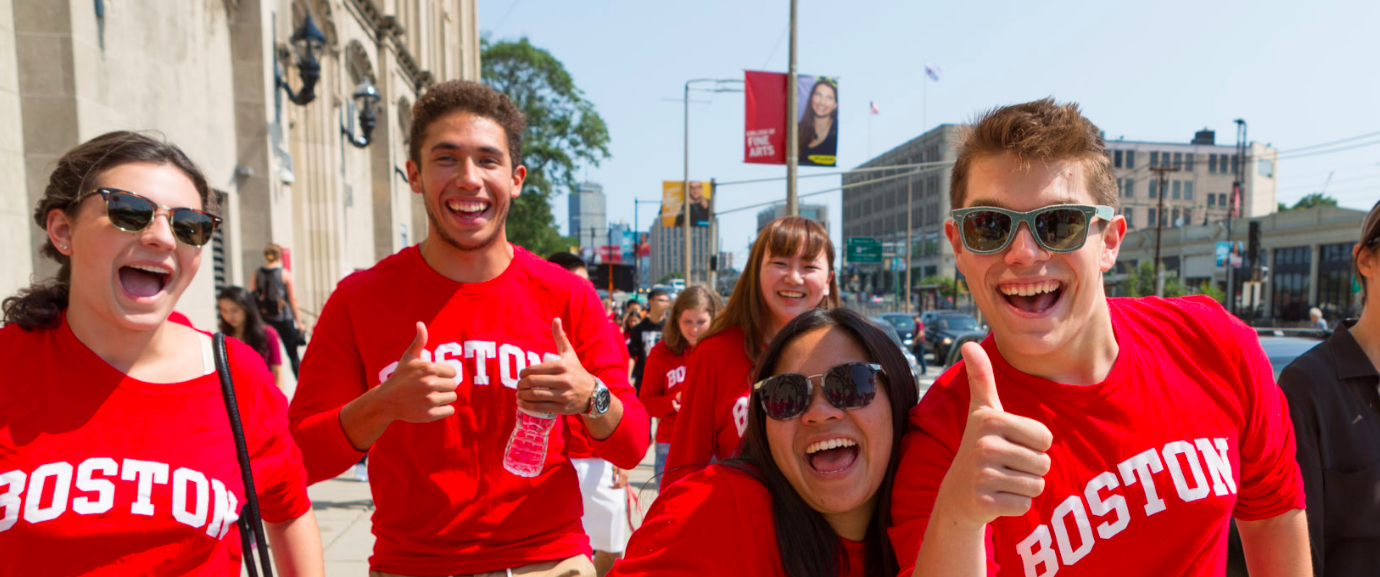
Boston University shares some 2022-2023 admissions statistics

Posted on February 26, 2023 by Craig Meister Leave a Comment

Boston University admissions officers are just about as busy this year as they were last year after receiving 80,484 applications during the 2022-2023 admissions cycle. During the 2021-2022 admissions cycle BU received a record-breaking 80,797 applications from prospective first-year students.
Kelly A. Walter, BU’s Associate Vice President for Enrollment & Dean of Admissions shares that BU received 6,866 applications for admission through Early Decision (ED) and Early Decision 2 (ED2) rounds earlier this cycle, which represents an 8.8% increase over last year. BU expects to enroll approximately 57% of its first-year class through these two binding programs.

Meanwhile, in total, 41.2% of BU applicants indicated an interest in having standardized test scores considered, while applications from students from what BU calls “underrepresented groups” (URG) increased 5.6% over last year and represent 21% of the applicant pool. First-generation college students make up 25% of BU’s applicant pool. Enrollment of first-generation, low-income, and “URG” students continues to be a priority for BU.

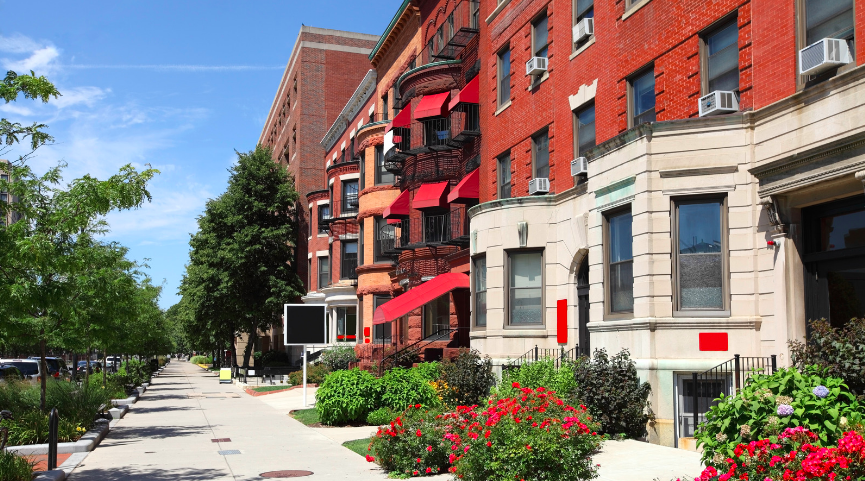
BU’s urban campus in the heart of Boston, MA, USA.

Resources and mentorship from BU’s Newbury Center, a support-hub for first-generation students, along with its College Access & Student Success Office, work to ensure that students from “underrepresented groups” thrive on campus.

BU, being in Boston, is also popular with international applicants. International students submitted 15,788 applications representing 171 countries during the 2022-2023 admissions cycle.

Overall, BU’s enrollment target for the Class of 2027 is 3,100 students. Admission decisions for Regular Decision applicants to the BU Class of 2027 will be released on Saturday, March 25, and students will be alerts of decision availability via email.

Walter also noted that, “This was an especially exciting year as BU opened our new Center for Computing and Data Sciences – a monumental testament to BU’s commitment to innovation, sustainability and collaboration. Housing the faculty of computing and data sciences, which brings together students and faculty with a shared passion for societal impact, the Center is an icon not only for the BU campus, but also for the city of Boston.” Its structure is 100 percent fossil fuel–free, and it is the most environmentally sustainable, energy-efficient building at BU as well as one of the “greenest” buildings in all of New England.

As total application numbers seem to have plateaued, in advance of a Supreme Court decision many observers believe is likely to limit colleges’ ability to consider students’ race in admissions BU has decided to remain test optional for students applying for the fall 2025 and spring 2026 admissions cycles. This is in contrast to nearby MIT, which has already gone back to being test-required for first-year applicants and has made no indication, at least so far, that it will be switching back to test optional.

Colorado State vs. CU Boulder: Digging Into What Sets Them Apart

Posted on February 21, 2023 by Craig Meister Leave a Comment

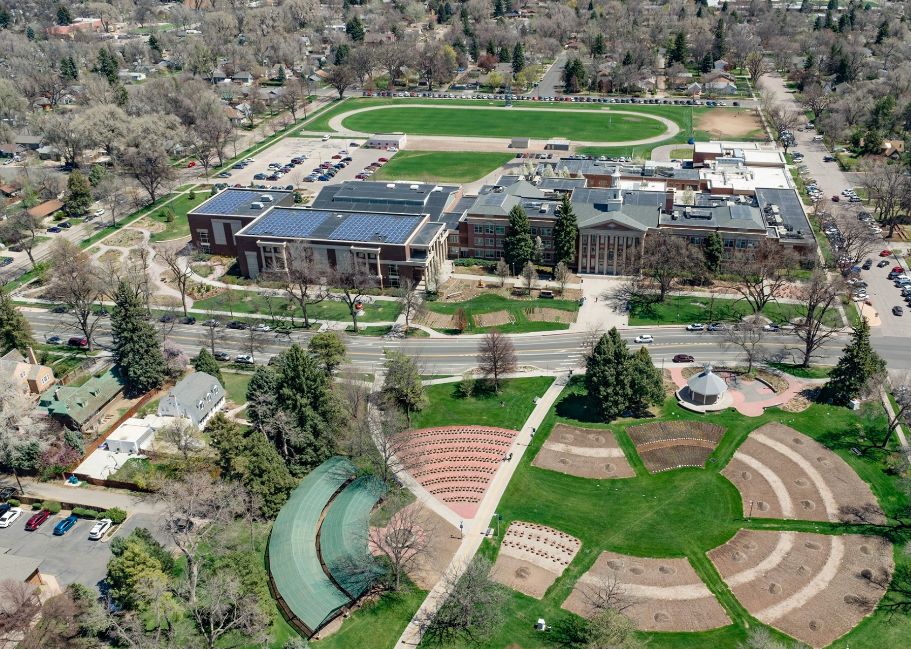
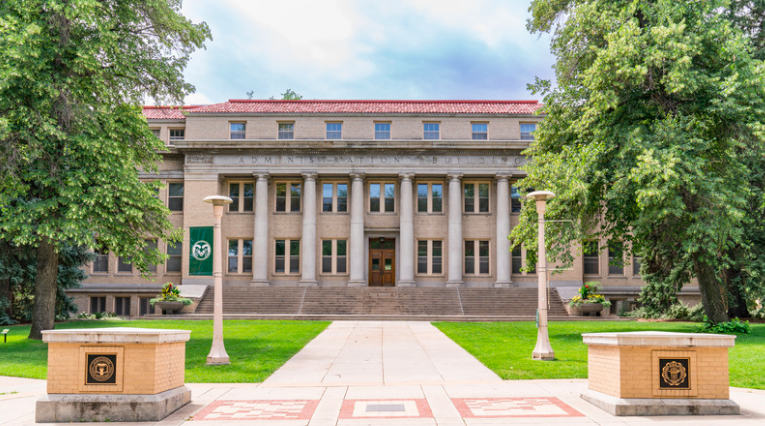
CSU Campus

Colorado State University (Colorado State or simply CSU) and University of Colorado Boulder (CU Boulder) are two the major universities in Colorado that get interest from students and parents the world over when it comes time to research colleges. Although these public universities are located just fifty miles apart, they have different histories, missions, and campus experiences that set them apart that students and parents should be aware of as they finalize their college visit plans and college lists.

History and Mission:

Colorado State University was founded in 1870 as Colorado Agricultural College with the primary goal of providing education in agriculture and mechanical arts. Today, the university has expanded its programs to include over 150 majors and a diverse student population of more than 33,000 students (25,300 undergraduates). CSU’s mission is to provide access to high-quality educational opportunities for students from all walks of life, with a focus on research and community outreach.

On the other hand, University of Colorado Boulder was founded in 1876 and is the flagship campus of the University of Colorado system. The university has a long history of academic excellence and research achievements, and its mission is to become a leader in innovation and discovery, both locally and globally. CU Boulder has over 35,000 students (31,000 undergraduates) and offers a wide range of academic programs, with a particular emphasis on engineering, environmental science, and business.

Academic Programs for Undergraduates:

Both Colorado State and CU Boulder offer a wide variety of academic programs for undergraduates. CSU offers over 150 undergraduate majors, ranging from agriculture and engineering to liberal arts and business. Some of the most popular programs at CSU include animal science, biomedical sciences, and business administration. The university also has a strong focus on research, with many opportunities for undergraduates to work with faculty members on research projects.

CU Boulder offers over 300 undergraduate majors, with particular strengths in engineering, environmental science, and business. Some of the most popular programs at CU Boulder include aerospace engineering, environmental studies, and finance. The university is also known for its strong research programs, with many opportunities for undergraduates to engage in research activities.

Location:

Both CSU and CU Boulder are located in beautiful Colorado, with easy access to outdoor activities such as hiking, skiing, and rock climbing. CSU is located in Fort Collins, a vibrant college town that is consistently ranked as one of the best places to live in the United States. The university is surrounded by the Rocky Mountains, with easy access to hiking and skiing opportunities. Fort Collins also has a thriving music scene and a vibrant downtown area with many shops, restaurants, and cultural events. It takes about 66 miles or 1 hour by car to get from the airport in Denver to CSU’s campus

CU Boulder is located in Boulder, a city that is consistently ranked as one of the best places to live in the United States. The university is located at the base of the Rocky Mountains, with easy access to hiking and skiing opportunities. Boulder is also known for its vibrant arts and culture scene, with many museums, galleries, and performing arts venues. The city also has a thriving downtown area with many shops, restaurants, and cultural events. It takes about 38 miles or 34 minutes by car to get from the airport in Denver to CU Boulder’s campus

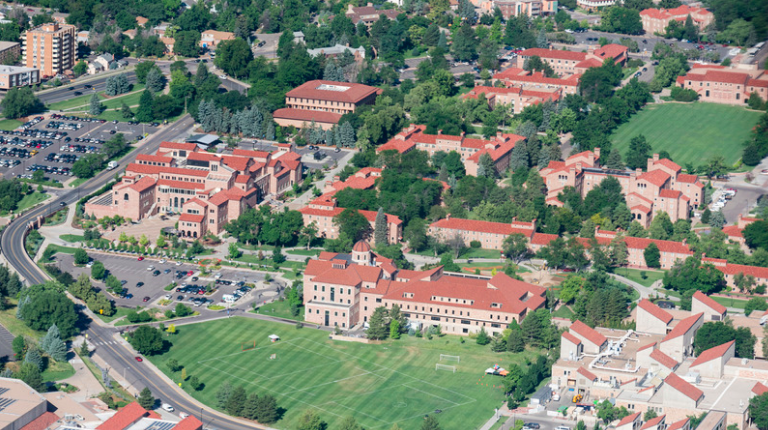
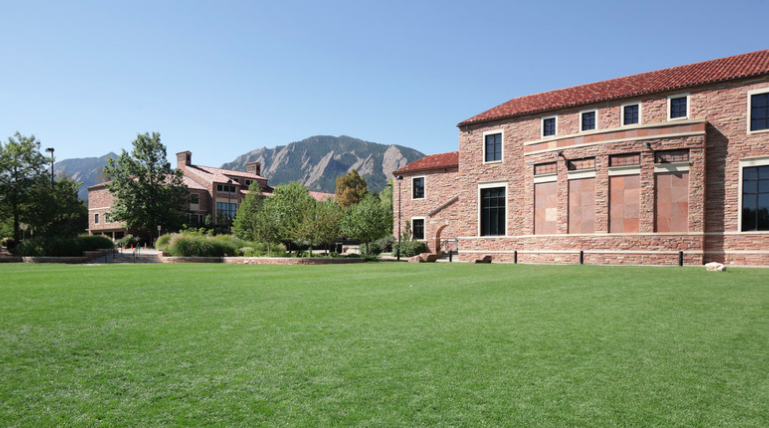
Another view of CU Boulder’s campus.

Campus Life Opportunities for Students:

Both CSU and CU Boulder offer a wide range of campus life opportunities for students. CSU has over 500 student organizations, ranging from academic clubs and service organizations to sports teams and social groups. The university also has a strong athletic program, with 16 NCAA Division I sports teams.

CU Boulder also has a wide range of campus life opportunities for students, including over 400 student organizations and a strong athletic program with 17 NCAA Division I sports teams. The university is also known for its vibrant arts and culture scene, with many museums, galleries, and performing arts venues. Students at CU Boulder can also take advantage of the university’s proximity to Denver, with easy access to cultural events and job opportunities in the metro area.

Campus in General:

Colorado State University (CSU) is known for its stunning physical campus that boasts a unique blend of historic and modern architecture, as well as a wealth of natural beauty. Here are some of the features that make CSU’s physical campus unique:

Another view of CSU’s campus.

The Oval: CSU’s iconic Oval is a grassy, tree-lined central gathering place that is often used for events and activities. It’s surrounded by some of the university’s oldest and most historic buildings, including the Administration Building and the University Center for the Arts.

Lagoon: A picturesque man-made lake surrounded by natural beauty, including large trees and plenty of open space. It provides a serene spot for picnics, studying or leisurely walks.

The “New” Chemistry Building: A modern, state-of-the-art building with sustainable features, such as an energy-efficient heating and cooling system and a green roof. The building is a hub for cutting-edge research and collaboration.

The Morgan Library: A distinctive building that houses one of the most extensive academic libraries in the region, with more than 2 million volumes and a variety of study spaces.

The Horticulture Center: This center is a hidden gem on campus and is home to a botanical garden and research facility where students, faculty and the general public can learn about horticulture and sustainable agriculture.

The UCA Building: The University Center for the Arts is a newer addition to the campus and a hub for creativity and the arts. It hosts events, performances and exhibitions, and offers state-of-the-art resources for students studying the arts.

The Rocky Mountains: Finally, one of the most unique features of the CSU campus is its location at the foothills of the Rocky Mountains. The views from campus are spectacular, and the mountains offer endless opportunities for outdoor recreation and exploration.

Overall, CSU’s physical campus is a blend of modern and historic architecture, surrounded by natural beauty and stunning views of the Rocky Mountains. It’s a unique and welcoming environment that inspires learning, creativity and a love of the outdoors.

Meanwhile, the physical campus of the University of Colorado Boulder is known for its unique blend of natural beauty and innovative architecture. Here are some of the features that make the CU Boulder campus unique:

CU Boulder Campus

Flatirons: One of the most iconic features of the CU Boulder campus is the Flatirons, a series of towering, jagged rock formations that rise up directly behind the campus. These natural landmarks provide a stunning backdrop for the campus and offer endless opportunities for outdoor recreation.

Old Main: One of the oldest and most historic buildings on campus, Old Main is a beautiful sandstone structure that was built in 1876. It houses administrative offices and a variety of academic departments, and its clock tower is a recognizable landmark on campus.

Norlin Library: A large, modern library that houses over 4 million volumes and offers a variety of study spaces and resources for students. It’s also home to the famous “Norlin Quadrangle,” a grassy area surrounded by trees and benches that is a popular spot for students to study and relax.

Engineering Center: The Engineering Center is a newer building that is home to a variety of research and academic programs in the engineering field. The building is designed to be energy efficient and sustainable, and features state-of-the-art technology and resources.

Fiske Planetarium: One of the largest planetariums in the country, Fiske offers a variety of educational and entertaining programs about astronomy and space science. It’s a popular destination for both CU Boulder students and the general public.

CU Art Museum: The CU Art Museum is a contemporary art museum that features a variety of rotating exhibitions and collections. It’s a hub for creativity and innovation on campus, and offers a variety of educational programs and events for students and the public.

Pearl Street Mall: Although not technically part of the CU Boulder campus, the Pearl Street Mall is a popular destination for students and the surrounding community. It’s a pedestrian mall lined with shops, restaurants, and street performers, and is a hub for entertainment and socializing.

Overall, the CU Boulder campus is a unique blend of natural beauty, historic architecture, and modern innovation. It’s a welcoming and inspiring environment that fosters learning, creativity, and a love of the outdoors.

Students:

The students attracted to CSU include:

Colorado residents: CSU is a popular choice for Colorado residents, with more than 70% of its students coming from within the state.

Out-of-state students: CSU also attracts a significant number of out-of-state students, particularly from neighboring states like Wyoming, Nebraska, and Kansas. The university’s location in Fort Collins, which is known for its outdoor recreation opportunities and quality of life, may be a draw for these students.

Diversity: CSU is currently quite committed to diversity, equity, and inclusion, and has a diverse student population. About 28% of students identify as students of color, and the university has a number of initiatives to support underrepresented students.

Academic interests: CSU offers a wide range of academic programs, including strong programs in agriculture, engineering, business, and veterinary medicine. Students who are interested in these majors and others offered by CSU may be particularly attracted to CSU.

Campus culture: CSU has a friendly and welcoming campus culture, with a strong sense of community and school spirit. Students who are looking for a supportive and engaging college experience may find that CSU is a good fit.

The students attracted to CU Boulder include:

Out-of-state students: CU Boulder is a popular choice for out-of-state students, particularly from California, Texas, Illinois, and New York. The university’s location in Boulder, which is known for its outdoor recreation opportunities and quality of life, may be a draw for these students.

Colorado residents: CU Boulder also attracts a significant number of Colorado residents, with about 60% of its students coming from within the state.

Diversity: CU Boulder is currently quite committed to diversity, equity, and inclusion, and has a relatively diverse student population. About 25% of students identify as students of color, and the university has a number of initiatives to support underrepresented students.

Academic interests: CU Boulder offers a wide range of academic programs, including strong programs in environmental studies, engineering, business, and the arts and humanities. Students who are interested in these fields may be particularly attracted to CU Boulder.

Campus culture: CU Boulder has a vibrant and engaged campus culture, with a strong emphasis on sustainability, innovation, and social responsibility. Students who are looking for a dynamic and intellectually stimulating college experience may find that CU Boulder is a good fit.

Admissions:

Both of these colleges are statistically far easier to get into than most of their counterparts on the west and east coasts of the United States. CSU currently has an overall undergraduate acceptance rate of 90% while CU Boulder has an overall undergraduate acceptance rate of 79%. With that said, certain programs are more selective; therefore, if either of these universities end up on your final college list, you should double check with the university in question regarding the expectations of applicants to the major you want to pursue, as it may be far more difficult to join a major as a freshman than the overall undergraduate acceptance rate would lead you to believe. Yet, in overall context, these two Colorado universities are big and relatively unselective, which will turn off those looking for status driven by selectivity but will attract those looking to live on a campus where egalitarianism certainly predominates over elitism. To learn more about undergraduate admissions at CSU click here. To learn more about undergraduate admissions at CU Boulder click here.

Spotlight on Santa Clara University

Posted on February 18, 2023 by Craig Meister

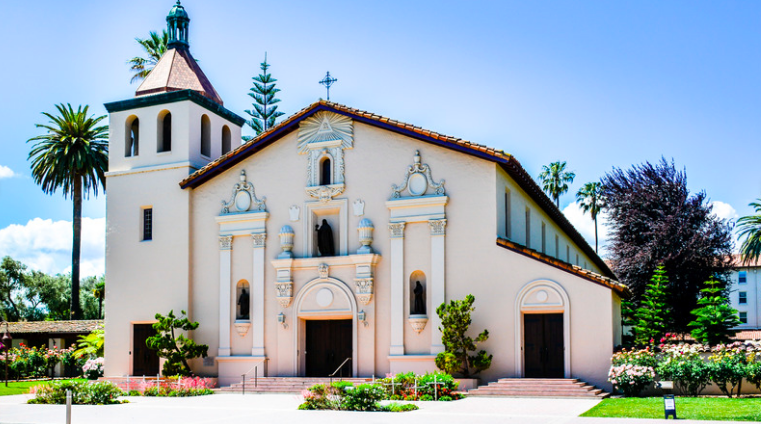
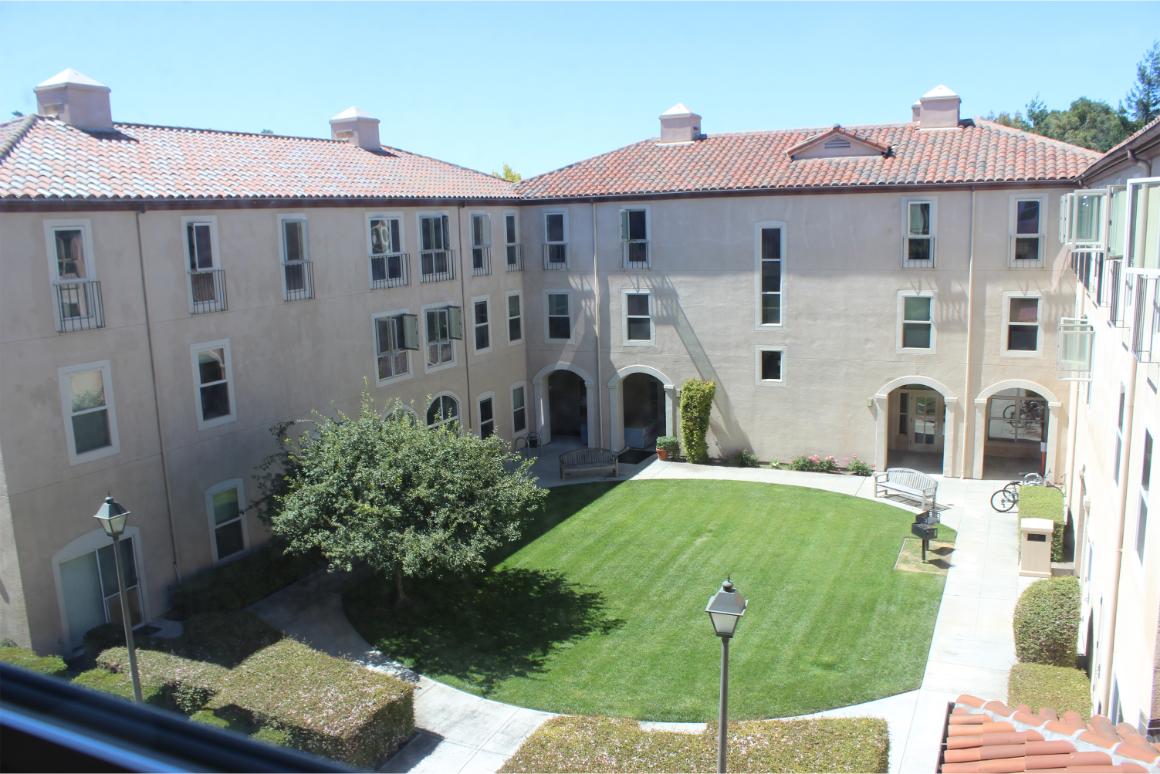
The front of Mission Santa Clara and focus point of campus.

The majority of out of state students who want to spend their undergraduate years in California are aiming for admission to the state’s many well known public universities. What California is less well known for are its handful of strong private universities. At the top of my list for California’s strongest all-around private universities are, respectively, Stanford University, University of Southern California, and Santa Clara University. While Stanford and USC are well-known commodities, Santa Clara is the dark horse of the three, which is why today I’ve decided to shine a spotlight on this impressive northern California institution of higher learning.

Santa Clara University is a private, Jesuit Catholic university located in Santa Clara, California. Founded in 1851, it is the oldest institution of higher learning in the state of California. With a student population of over 8,500 undergraduate and graduate students (5,800 undergraduates), Santa Clara University offers a dynamic and diverse learning environment that provides students with numerous opportunities for personal and academic growth.

Admissions Standards

Admission to Santa Clara University is competitive, with an acceptance rate of around 52% for its Class of 2026. The university considers a variety of factors when making admission decisions, including academic performance, extracurricular activities, standardized test scores, and essays. A strong high school record, including challenging courses and good grades, is important for admission consideration. For the 2022 application cycle, 42% of SCU applicants submitted a test 53% of admitted students submitted a test. The university also requires that applicants submit one teacher letters of recommendation, which provides insight into the student’s character and abilities.

Strongest Undergraduate Majors

Santa Clara University offers a wide range of undergraduate majors, including business, engineering, and the liberal arts. Yet, the university is particularly known for its strong programs in computer engineering and software engineering. The computer engineering program at Santa Clara University is one of the best in the country and prepares students for careers in areas such as computer hardware and software design, computer networks, and computer systems.

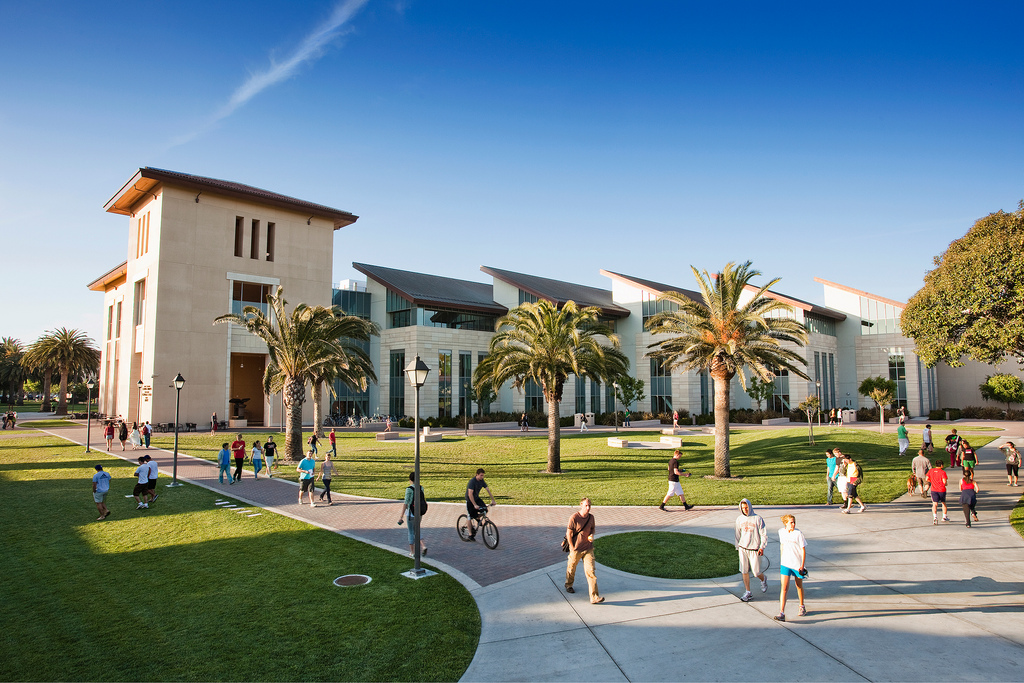
Students and others walking on Santa Clara’s campus.

The university’s software engineering program is also highly regarded and prepares students for careers in software development, software project management, and software quality assurance. The program emphasizes hands-on experience and provides students with the skills and knowledge necessary to develop and maintain software systems.

In addition to its strong programs in computer engineering and software engineering, Santa Clara University also offers excellent undergraduate programs in business administration and economics. The business administration program provides students with a solid foundation in the principles of business, economics, and finance, while the economics program prepares students for careers in the fields of economics, finance, and business.

Students and Student Life on Campus

Santa Clara University is known for its welcoming and inclusive community, which is comprised of students from a variety of cultural, religious, and economic backgrounds. The university offers a wide range of student organizations, clubs, and activities, including cultural and ethnic organizations, recreational sports teams, and service organizations. The university’s location in the heart of Silicon Valley provides students with access to numerous internships, job opportunities, and cultural events.

Student life on campus is vibrant and active, with numerous events and activities taking place throughout the year. The university’s strong sense of community and commitment to social justice and service are evident in the many community service and volunteer opportunities available to students. The university’s location in Santa Clara also provides students with easy access to the many attractions of the San Francisco Bay Area, including museums, theaters, and sporting events.

Student housing on Santa Clara University campus.

The university’s residence halls provide students with a variety of housing options, including traditional dormitory-style housing, apartment-style housing, and suites. The university’s dining facilities offer a range of healthy and delicious meal options, and the campus is equipped with numerous study spaces, computer labs, and recreational facilities.

Santa Clara University’s campus is well-known for its beautiful and historic architecture, its numerous green spaces, and its commitment to sustainability. Here are some of the highlights of the university’s campus:

  • The Mission Santa Clara de Asis: This historic mission is the oldest building on the Santa Clara University campus and is one of the few remaining examples of early California architecture. It serves as a reminder of the university’s Jesuit heritage and provides a beautiful setting for spiritual retreats and other events.
  • The de Saisset Museum: This museum houses one of the largest collections of art, artifacts, and historical objects in the region, including works by famous artists such as Rembrandt and Pablo Picasso.
  • The Leavey Center: This student center serves as the hub of student life on campus, offering a variety of dining options, meeting spaces, and recreational facilities.
  • The Bronco Student Center: This modern building provides students with a variety of services, including a bookstore, a post office, and a computer lab.
  • Sobrato Campus for Discovery and Innovation: This massive project will create classrooms, labs, research, study and office space for the School of Engineering and the College of Arts and Science. This complex will bring together multiple departments to create a collaborative learning environment where students and faculty alike can benefit from the expertise of their peers. This 270,000 square foot building will be built on the site of the previous engineering and law buildings with a 4-story wing on the east side and 3-story wings on the north and south. The courtyard in the middle will open up towards Heafey Hall and Bergin Hall to create an interconnection between all of the STEM facilities.

Overall, Santa Clara University is a dynamic and diverse institution of higher learning that offers students numerous opportunities for personal and academic growth. With a wide range of undergraduate majors, the university provides a challenging and stimulating learning environment that prepares diverse students for success in their chosen careers.

If you are willing to consider a private college in California, you can’t do much better (and could do a lot worse) than Santa Clara University. Do you want to learn more about Santa Clara University? Take a virtual tour of the campus and visit its admissions website.

How does Rice University compare to Stanford University?

Posted on February 12, 2023 by Craig Meister Leave a Comment

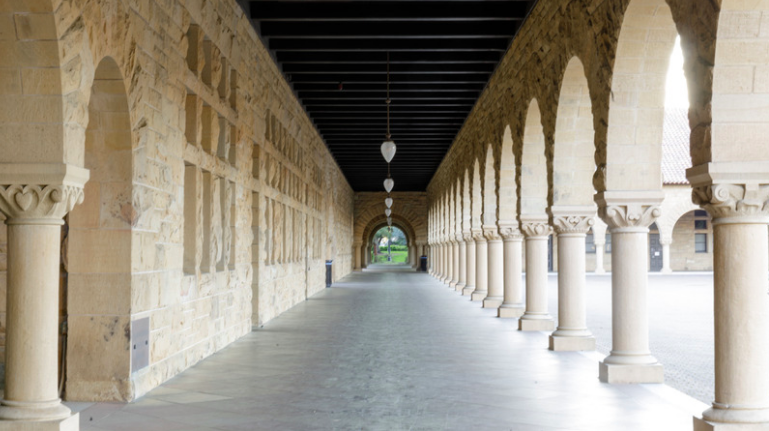
Stanford

Today’s reader question comes from Alex in Sarasota, Florida.

Question: I have the opportunity to attend Stanford or Rice, and at either school I will be playing a sport that I love and have devoted my life to. In your opinion, How does Rice University compare to Stanford University? I’ve spoken at length to the coaches at both colleges but I haven’t visited either. Both seem pretty prestigious, but Stanford is better known, right? I’ve got to decide pretty soon.

Answer: Rice University and Stanford University are both highly regarded universities with strong academic programs and reputations. Yet, there are some differences between the two institutions that may make one more appealing to certain students.

Stanford is a larger university with a more extensive range of programs and resources, and is known internationally for its strong undergraduate and graduate programs in a variety of fields, including the natural sciences, engineering, business, and humanities. The university is located in the heart of Silicon Valley, which provides students with access to a thriving tech industry and a wealth of internship and career opportunities.

Rice University, in Houston, Texas, while smaller, is known for its strong programs in the natural sciences, engineering, and humanities, as well as its highly selective and rigorous academic programs. Rice is also known for its close-knit and collaborative community, and for its strong focus on undergraduate education. The part of Texas where Houston is located is also a completely different climate than the climate experienced in Northern California’s Silicon Valley region.

Ultimately, the choice between Rice and Stanford may come down to personal preferences and academic interests. Both universities offer a high-quality education and a supportive community for students, but each has its own unique strengths and culture that can appeal to different types of students. It’s also worth considering factors such as location, campus size and resources, and program offerings when making a decision between the two universities. I strongly suggest you visit both before making your final choice. If you can’t get there in person, please engage in at least a virtual tour and/or information session with both colleges. Think about where you would be happiest and most successful environmentally, academically, socially, and ultimately professionally.

Regarding prestige, Both Rice University and Stanford University are highly selective institutions, and admissions to both universities is extremely competitive. Admissions criteria for both universities typically consider factors such as academic performance, extracurricular activities, test scores, essays, and letters of recommendation. In recent years, Rice has had an admission rate of around 11%, while Stanford’s admission rate has been around 4%. Do note, however, admission rates can vary from year to year and are influenced by a number of factors, such as the number of applicants and the strength of the applicant pool. Being admitted to either university is a significant achievement, so congratulations! Smart people know of both colleges very well, but you are right to say that Stanford is much better known among the masses. If you know what you want to major in, are you happy with the offerings available at both colleges? That could be a very important deciding factor for you to consider. And, if you get injured, which hopefully won’t happen, would you be happier at one of these colleges than the other? Both universities are committed to enrolling students who are not only academically talented, but also have demonstrated a passion for learning and a commitment to making a positive impact in their communities.  At the end of the day, though, you need to think about your goals and your future and not worry as much about generic thoughts on prestige, etc. Where do you feel happier? Where do you feel you will more likely be able to achieve your goals?

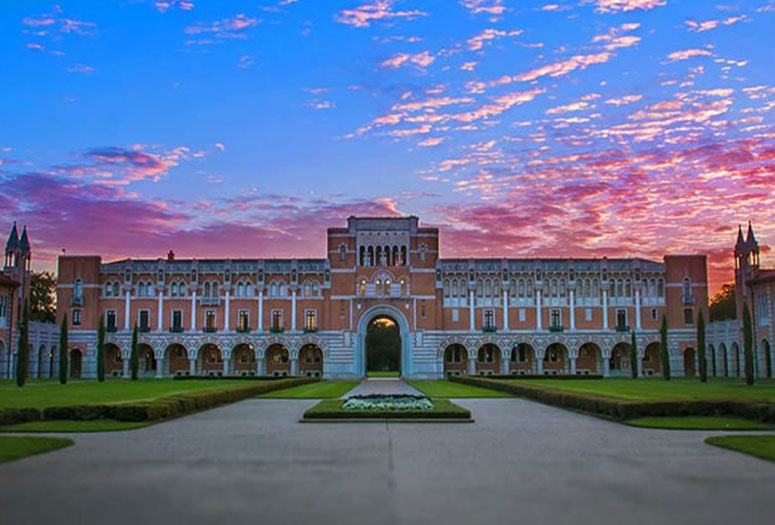
Rice

The Birthrate Crisis, and How Colleges Should Respond

Posted on December 30, 2022 by Patrick O'Connor Leave a Comment

The biggest stumbling block in education research is its lack of replicability.  In science, the same amount of vinegar plus the same amount of baking soda gives you the same result—and the same-sized result—no matter who does the experiment.  But take someone else’s methods and teaching materials, implement them the exact same way the first experimenter did, and you will likely get nothing even close to the same result.

A happy exception to this “it’s never the same” rule occurred in the 90s, when a number of studies showed, time after time, there was a way to significantly improve student learning—and it had nothing to do with changing curriculum, retraining teachers, or extending the school day.  This swath of studies showed, beyond a reasonable doubt, that the best way to improve student learning—especially in grades K-3—is to follow the magic recipe of 15 students or less with one teacher in one classroom.  Do that, and great things happen.

What has happened to this rare pillar of education reform?  Well, not much.  Once the magic recipe was discovered, administrators scoffed at the idea of dropping class size that low.  For that matter, so did taxpayers, who didn’t take long to realize that lower class size meant more classrooms and more teachers—and both cost more money.  As a result, education has largely turned its back on this piece of magic, except for some not-so-clever administrators who believe they can keep 30 kids in one classroom with a teacher and an aide and still maintain the ratio.

Since all three parts must be honored, this would be like doubling the baking soda and eggs in a cookie recipe without increasing the amount of flour.  You get something different, but you don’t get better cookies.  The magic recipe failed on its promise to deliver because the people in charge of schools—administrators and taxpayers—decided the change wasn’t worth the cost, offering instead some sleight of hand with ratios that satisfied most everyone, largely because Americans really don’t understand mathematics.

The leaders of our higher education systems are on the verge of making a similar error, with far more serious consequences.  It’s no secret that the birthrate in the US declined about 20 years ago, and is headed for a serious nose dive of the number of high school graduates in about 2025.  Since this isn’t exactly new news, one would think colleges would be looking at these numbers and saying something like “Fewer high school graduates means fewer college freshmen.  What should we do about it?”

Like the K-12 class size issue, the answer here is pretty easy.  No every high school senior goes to college right after high school, so there’s plenty of room to increase the number of college-bound seniors, and still maintain strong college enrollments.  The trick here lies in talking to students who don’t see college as part of their futures, and getting them to change their minds. If every high school student already went straight to college, this couldn’t be done; but that just isn’t the case.

As is often the case with answers that appear easy, this one has at least one major snag.  A very close read of most college recruiting literature shows it’s based on one big assumption; the student or family reading the literature is already convinced a four-year college is the answer for them, and they now simply need to sort out which ones they’ll consider.  They know about testing and application essays and degree requirements and different application deadlines, so it isn’t a question of “If College”.  It’s a question of “What College”.

Any student unsure about the benefits of four-year colleges would look at this admissions information and feel like they’ve walked into the middle of a three-hour movie; they know they have some catching up to do, but no one seems to want to help them, since they’re too busy watching the movie themselves. Given that mindset, you’d think most colleges—especially those that experienced freshman enrollment declines of up to 40 percent during COVID—would move heaven and earth to make sure they don’t end up as losers in the birthrate lottery.  A few new pamphlets, a different kind of open house, a new video or two, and a little admissions training, and you’re all set.

To date, that has not been the response of the higher education community.  Senior admissions officials tell me the general overall response has been to double down on an admissions strategy that includes making their institution the best choice, a strategy that turns what could be a bona fide effort at expanding college access into a zero-sum game.  This approach seems to glean support from the national papers who have always covered college admissions like there are only 25 colleges in the country.  The more “Ivies Report Record Application” stories they print, the more they feed the attitude that asks the question “Enrollment problem?  What enrollment problem?”

The real irony here is that the creation of a “Why College?” campaign for students new to the idea is fairly affordable and relatively easy.  Colleges that have like-minded missions and student bodies tend to be in the same athletic league.  Imagine what could happen if all colleges in one league pitched in a couple of admissions officers and a modest amount of cash to create, for example, The Big Ten Guide to the Benefits of College.  Since the goal of the campaign is informational, this wouldn’t constitute monopoly-building, and could even be overseen by the US Department of Education, which has a vested interest in making sure the college market doesn’t shrink.

The magic recipe of 15 students didn’t generate the results it was capable of for one reason—in the end, most people didn’t really care about fixing the problem.  The difference with the birthrate decline is that a lack of students means more than a few colleges will wither, or even die.  That would be a shame, but the only way to get something different is to do something different.  Are colleges wise enough to realize this, and innovate?

12 Reasons Scattergrams Lull Students Into a False Sense of Security

Posted on September 19, 2022 by Craig Meister

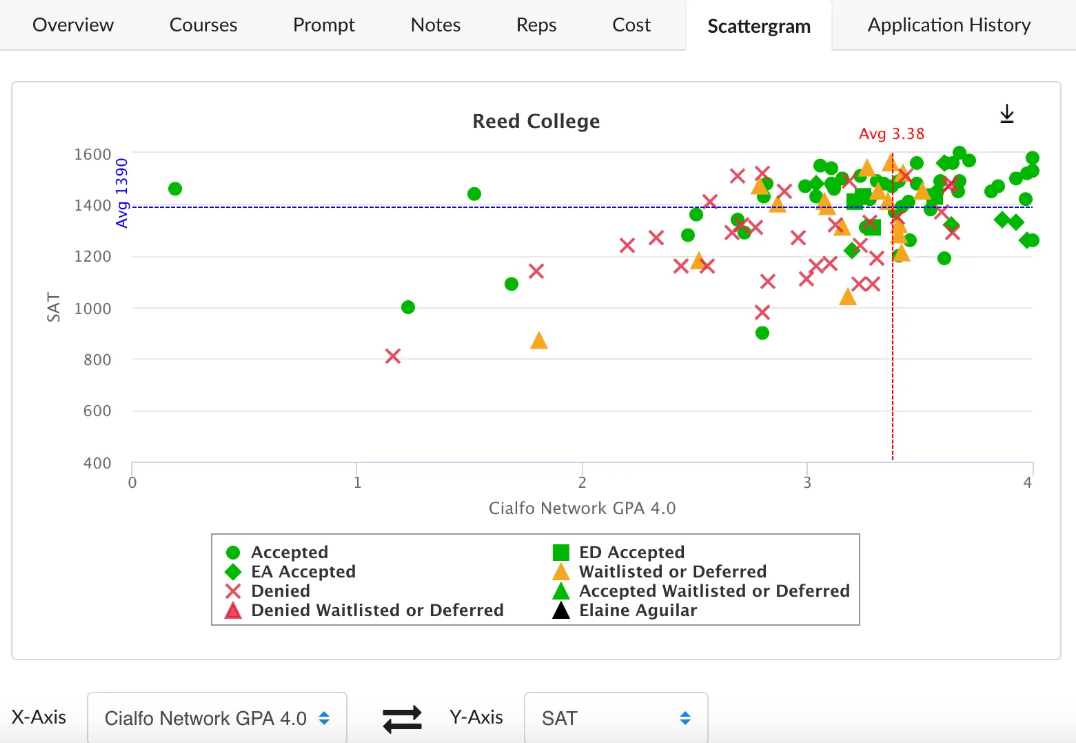
Scattergrams, the ubiquitous x/y axis graphs that have caught on like wildfire over the last twenty-five years because of their inclusion in Naviance, MaiaLearning, Cialfo, and other online college counseling tools used by thousands of American high schools. Scattergrams purport to show a student’s chances of admission at different colleges and universities by plotting previous students from a particular high school on an x/y axis graph based on such students’ GPAs on one axis and their test scores (ACT or SAT) on the other.

Below is an example of a scattergram for a particular high school showing current students (and parents) at that high school how alumni from that high school fared when applying to University of Maryland College Park from 2010 through 2014.

Two images of scattergrams are included below. On the first one, from Naviance, please note that the scattergram plots the SAT on the x-axis using the old 2400 SAT scale; however, the SAT these days is scored out of 1600. Similarly, the first scattergrams’s high school clearly plots GPA based on a 4.0 scale, but some schools’ scattergrams will have very different numbers of the y-axis because scattergrams can have any sort of GPA scale on them (100, 20, 6, etc.) depending on a school’s grading scale.

The second scattergram image is from Cialfo and captures data for Reed College. It at least shares whether the data plotted represents students who applied Early Decision vs. vs. Early Action vs. something else (which at Reed would be Regular), which some scattergrams don’t share.

The typical student seeing the first of the two  scattergrams above assumes, if he or she has a 3.6 GPA and an SAT score of 1860 he or she is definitely going to get into University of Maryland College Park. Most of the rest of students with that combination of grades and scores would assume, after seeing the above scattergram, that Maryland is at least a huge safety college for them. After all, all students from this high school in the past few years who land in that GPA/score range got into Maryland, as illustrated by all of those green squares.
STOP RIGHT THERE!

The problem is a student with this GPA/score combination could easily get rejected from University of Maryland College Park for any number of reasons that a scattergram will not be able to display. The most common reasons scattergrams lull students into a false sense of security are as follows:

  1. Many selective colleges get more selective every passing year, rendering antiquated past years’ admissions statistics.
  2. Scattergrams don’t show the quality of past applicants’ extracurricular resumes.
  3. Scattergrams don’t show the quality of past applicants’ essay writing skills.
  4. Scattergrams don’t show past applicants’ demographics (rich, middle-class, poor, black, white, Hispanic, Asian, International, etc.). College admissions officers for American colleges – especially selective institutions – often care quite a lot about their applicants’ demographics.
  5. Scattergrams don’t show incredibly important (again, in the eyes of college admissions officers) background information about past applicants’ beyond their demographics. Here we are talking about characteristics like an applicant’s legacy status (Did a past applicant’s mom or dad attend the same college?), athletic prowess (Was a past applicant a highly-sought athletic recruit?), and/or his or her parents’/grandparents’ proclivity for giving money to the college on the scattergram in question.
  6. Most high schools set their scattergrams to hide from current students/parents whether or not past applicants to the college in question applied Rolling Decision, Early Decision, Early Action, Priority Admission, and/or Regular Decision. That’s important information! This is because colleges that offer different admissions plans/deadlines often have very different standards for each such plan/deadline. You can also forget about a scattergram showing whether a past applicant applied for and/or was accepted to the college for fall, spring, or winter term (if such varied options exist at the college in question).
  7. Scattergrams don’t show the quality of past applicants’ teacher and counselor recommendation letters/evaluations.
  8. Scattergrams likely don’t account for whether or not past applicants submitted their ACT scores, SAT scores, both, or neither (in the case of test-optional colleges) to the colleges’ scattergrams on which they are plotted. This is a huge issue in a college admissions environment where there majority of colleges continue to be test-optional.
  9. Unless the scattergram’s GPA axis is a weighted GPA, the GPA axis is not capable of communicating to students and parents the past applicants’ curricular rigor.
  10. Scattergrams don’t show past applicants’ grade trends in high school (colleges care so much about this).
  11. Scattergrams show past applicants’ final GPAs in high school, not their GPAs when they applied to college (usually in the beginning of a student’s senior year). Senior slumps in the final months of past applicants’ senior years often slightly (and sometimes greatly) deflate their final GPAs relative to what their GPAs were in October of their senior years.
  12. Directors of college counseling (the leaders of college counseling offices) can be applicants’ best advocates or worst enemies depending on whether or not these directors have written a strong and compelling high school profile and done everything else they can do to encourage particular colleges to accept their students. Scattergrams don’t note when certain directors’ regimes began and ended; therefore, in a field where many directors of college counseling only stay in their roles for a few years before moving on, a five- or ten-year scattergram could be capturing admissions statistics for students applying from a particular high school under very different college counseling regimes. Some directors write bang-up high school profiles (which are sent to all colleges to which students apply in a particular admissions cycle) and some don’t. Sadly, at some schools, the high school profile is written and designed by the communications team and/or individuals in the admissions, advancement, development, head of school, principal, and or central office! The further removed from college counseling the writers of the high school profile are the more likely the profile will not provide college admissions officers the information they are looking for in a high school profile. Meanwhile, some directors of college counseling make calls for their students or their colleagues’ students, others simply don’t. Some are on a first-name basis with Ivy League admissions officers, some don’t know any. Some act as PR agents for their students, others are real in their recommendation letters, which leads to such letters carrying more weight with admissions officers than those that only share glowing reviews. Scattergrams lull students and parents into thinking (just like point #1 above) that each student plotted on the scattergram had the same college counseling team behind him or her and faced the same college admissions rates from year to year. The fact is, high schools change and colleges change, and as a result, scattergrams fail at capturing subtle or quite large subjective changes to students’ chances from year to year based on how high schools and colleges change.

In summary, so much of what colleges will ultimately base their admissions decisions on is NOT captured in scattergrams; therefore, don’t use them as the end all be all when it comes to determining whether a particular college on your list is a Safety, Possible, or Reach. Any college counselor, student, or parent who tells you otherwise has no idea what he or she is talking about.

I frequently get irate parents telling me that I am too pessimistic about their student’s chances at a particular college or university based on what the family sees on a particular college’s scattergram on Naviance, MaiaLearning, or Cialfo. I remind them that I often know the back story on each applicant on the scattergram and/or that there are at lease twelve reasons why the scattergram is only part of the story – especially at the country’s most selective colleges and universities. Sadly, this does not often calm the parents down, and as a result, a few parents hold months-long bouts of resentment towards me – usually until all admissions decisions are released in April, at which point reality sets in – for good or ill. With that said, I am happy when I have a student get into a college that I classified as a Reach that the parents and student thought I should have classified as a Possible or a Safety. It’s my job to help turn all colleges on a student’s list into offers of admission; yet, I need the student’s cooperation and effort if I can make this happen. Sometimes that happens, and sometimes it doesn’t.

Scattergrams are trustworthier for colleges that primarily base their admissions decisions on applicants’ grades and scores only. Theses types of colleges were usually those that accepted over 50 of applicants and/or large state universities that asked for the perfunctory essay and extracurricular list but which didn’t have the actual manpower to review these subjective aspects of students’ applications. Such colleges simply defaulted to determining whether or not to accept a student based on his or her scores and grades. Yet, such colleges are increasingly rare because of the current trend of test-optional admissions that is sweeping the nation. Even in such cases where grades and test scores make of the majority of a college’s admissions decision, a student who is quite deficient or exceptionally strong in one or more of the twelve areas listed above could easily become an exception to the rule that the scattergram seems to convey.

Bottom line: strong college counselors always explain this important, complex, and as you can now see, somewhat time-consuming information to students and parents. Such college counselors tend to lean towards being more conservative with their Safety, Possible, and Reach classifications for colleges on their students’ lists than those college counselors who take a relatively two-dimensional approach (x,y axis, anyone?) to college acceptance/rejection prognostication. If you are a student or parent going through the college application process now or in the future, please remember to be skeptical of scattergrams. Though they have valuable data on them, scattergrams only capture some objective data, and they certainly don’t capture the subjective strengths or weaknesses of past college applicants or their college applications.

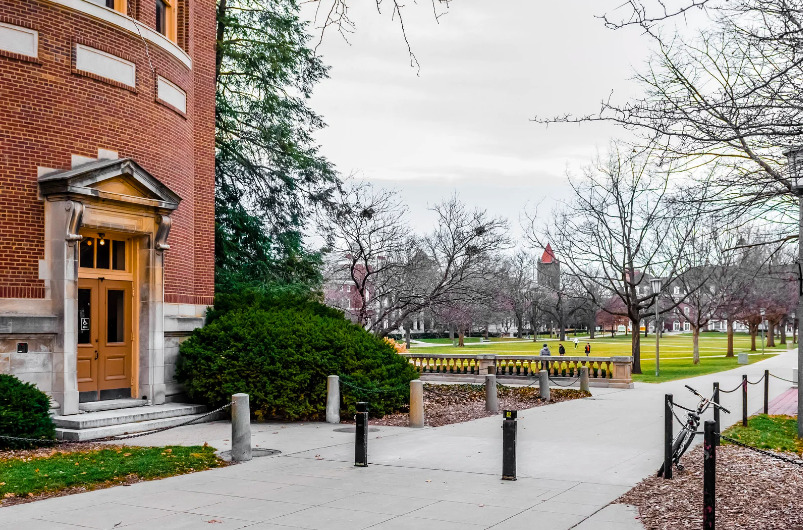
University of Illinois Urbana-Champaign’s Impressive Acceptance Rate Transparency

Posted on September 13, 2022 by Craig Meister

Let’s face it, these days so much of the world of undergraduate admissions is smoke a mirrors. Which makes it particularly noteworthy when a big institution like University of Illinois Urbana-Champaign goes out of its way to be transparent about the fact that it’s a university made up of many different acceptance rates, not just one top-line number. As this site has pointed out for years, many colleges like to cherry pick data to impress or intimidate, which leaves those in the know to have to explain there’s often more to the story. If only more colleges behaved as transparently as University of Illinois Urbana-Champaign (UIUC)!

Acknowledging that it’s first year on the Common App shook things up quite a bit, UIUC has now officially shared that received over 63,000 applications, during the 2021-2022 admissions cycle, which is a robust thirty-three percent increase over the 2020-2021 admissions cycle, which was UIUC’s last pre-Common App. As a result, UIUC became much more selective statistically: it only admitted admitting forty-five percent of applicants during the 2021-2022 admissions cycle compared to roughy sixty percent of applicants during the 2020-2021 admissions cycle. In fact, Director of Undergraduate Admissions, Andy Borst, shared, “We came in over our original target, and more international students accepted their offer of admission and enrolled than what we anticipated.”

UIUC now publishes its admit rate by college and for its Computer Science-related programs. Check out these numbers for 2021-2022:

College Admit Rates (First-Choice Major Only)

College of Agricultural, Consumer & Environmental Sciences: 42.8%

College of Applied Health Sciences: 45.5%

College of Education: 51.7%

College of Fine & Applied Arts: 49.5%

College of Liberal Arts & Sciences: 49.8%

College of Media: 38.4%

Division of General Studies: 48.9%

Gies College of Business: 27.0%

Grainger College of Engineering: 23.0%

School of Information Sciences: 68.1%

School of Social Work: 46.9%

Computer Science Programs

Computer Science: 6.7%

Computer Science + X Programs: 25.4%

In terms of acceptance rate by residency, another trove of data colleges routinely hide from the general public, UIUC is not shy about laying it all out there:

Residency Applicants Admits Acceptance Rate
Illinois Resident 25,944 14,589 56.20%
Non-Resident 21,216 7,749 36.50%
International 16,097 6,016 37.40%

While UIUC remains test optional, the university also revealed the percentage of applicants who submitted ACT or SAT scores by college. Over seventy percent of accepted Engineering applicants submitted test scores while fewer than thirty percent of accepted Education and Social Work applicants submitted scores. Wow! Even with these vast disparities, the middle fifty percent of accepted Engineering students earned between 1440 and 1530 while the middle fifty percent of Education students earned between 1220 and 1365 and the middle fifty percent of Social Work students earned between 1260 and 1420. Very interesting indeed!

Borst added, “We encourage students to apply for programs in which they plan to enroll, if admitted. We will only consider students for their first-choice major and their second-choice major, if selected. The Division of General Studies is intended for students who are open to exploring more than one major, with preference given to students who are open to exploring programs with capacity on campus. Students who are only interested in intercollegiate transfer once on campus into The Grainger College of Engineering or Gies College of Business should be encouraged to enroll at another university.”

Also of note, due to University of Illinois Urbana-Champaign’s increasing competitiveness, students are now only able to enter the university’s computer science program as new first-year or transfer students. Students will not be able to apply to change majors into computer science once on campus, although they will still be able to pursue a computer science minor or apply to change majors into the computer science & X programs. To learn more about the differences between UIUC’s computer science major and majors similar to it, check out UIUC’s blog on the subject.

While impressed by all this valuable information, I’d also love to know the breakdown of UIUC’s EA and Regular acceptance rates too. Yet, progress is progress, and more colleges that accept by school or program or that have differentiated acceptance rates by residency should follow University of Illinois Urbana-Champaign’s lead in publishing data like this! Thank you Director Borst and University of Illinois Urbana-Champaign for all of your transparency!

Are you interested in University of Illinois Urbana-Champaign? Watch my team’s visit to campus during which we spoke to real UIUC students about their thoughts on the university:

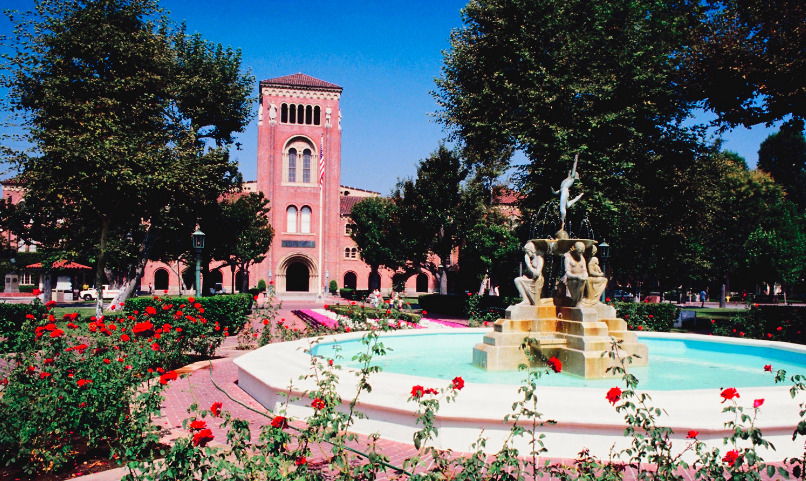
University of Southern California Adds Early Action Admissions Deadline

Posted on September 9, 2022 by admissions.blog Leave a Comment

The University of Southern California, a selective private university in Los Angeles, has announced that it is introducing a November 1 Early Action admissions deadline for the 2022-2023 admission cycle.

This is a big change for a university that had long held the line on notifying candidates of their admissions decisions no earlier than spring of each year. Now, those students applying Early Action this fall will learn of their admissions decision by mid to late January 2023.

The new November 1 deadline is non-binding (Early Decision, which USC does not offer, is binding) and non-restrictive, which means that students can apply to other colleges Early Action at the same time. Students can even apply to one other college Early Decision at the same time, but of course would need to commit to their Early Decision college if admitted.

Yet, Early Action is not available for students applying to majors in the School of Architecture, School of Cinematic Arts, Kaufman School of Dance, School of Dramatic Arts, Roski School of Art and Design, Iovine and Young Academy, and Thornton School of Music should. Students applying to these schools should apply by December 1 using USC’s Regular Decision plan.

USC has become increasingly selective since going test optional. During the 2021-2022 admissions cycle, USC, which is the largest private university in California, only accepted roughly twelve percent of first-year applicants.

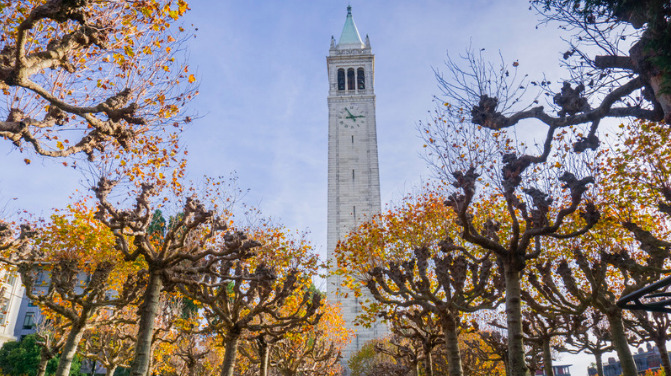
UC Berkeley Announces Fall 2022 Admissions Updates

Posted on August 25, 2022 by Craig Meister Leave a Comment

As we head into a new admissions cycle, University of California, Berkeley is announcing some changes in how it will consider applicants.

UC Berkeley is joining the rest of the UC campuses in allowing students to select an alternative major on the UC application. The university encourages students to take advantage of this option, especially if they have a second-choice major they’re interested in. UC Berkeley’s advice remains that students should select the major they are most interested in as their primary major because the university will only guarantee a review of the primary major, while alternative majors will only be used if space is available, for example, as the university considers available space during the wait list process.

In addition, first-year applicants admitted to one of the twelve high-demand majors in the College of Letters and Science will be guaranteed a space in the major. While this will not be a direct admission to the major, the process to declare will be simplified and space will be held for them contingent on certain requirements. Students interested in a high-demand major are encouraged to apply for it on the application, which gives them the best chance of declaring that major. Students who do not select a high-demand major can apply to declare after enrolling at Berkeley, but it will be through a comprehensive review process directly with the major department.

Meanwhile, any student interested in completing a double major will be limited to one high-demand major in the College of Letters and Science. Students who are interested in more than one major are encouraged to add the high-demand major as their primary major on their UC application. More information related to these changes will be posted on this page in the coming weeks.

This news comes as students are encouraged to start their UC application for fall 2022 this month (August), including entering personal information, self-reporting their courses and grades, and drafting their Personal Insight Questions (PIQs).

Like other UC campuses, starting this cycle, the application submission period for UC Berkeley begins on October 1, and the deadline is November 30. This gives students a larger window to submit their applications, as in previous years the application submission window only lasted for the entire month of November. Once the application is submitted students cannot make changes to the application, so they should plan accordingly, and of course, the UC system does not offer Early Action or Early Decision.

Finally, UC Berkeley also has shared news for prospective transfer students. Starting fall of 2023, participating UC Berkeley academic departments will pilot a direct admit to major program in Berkeley’s College of Letters and Science for transfer admits. There will be twenty-seven departments participating in the program including four high-demand majors: Art Practice, Computer Science, Data Science, and Social Welfare.

On the UC application, when selecting the major, the portal will inform students that they are applying directly to the chosen major. If an applicant is admitted to a major participating in this program they will not have to go through the process of applying to or officially declaring their major during their first semester on campus. Transfer admission and major declaration procedures will not change for majors who are not participating in this pilot program. More information will be posted on this page in the coming weeks as details are finalized.

All of these updates come on the heels of an unprecedented year that included a record number of freshmen applicants to UC Berkeley (over 128,000 applicants) and a court ruling that threatened to cap its enrollment numbers. Even so, the selective Bay Area university offered over 19,700 freshmen and transfer students admission.

  • « Previous Page
  • 1
  • 2
  • 3
  • 4
  • 5
  • 6
  • …
  • 9
  • Next Page »

Subscribe to our mailing list

Trending Posts

Which California public universities receive the most applications?

2025 Admissions Cycle Brings Change at US Naval Academy

The Best and Worst 2025-2026 Common App Essay Prompts

8 Ways to Reduce the Cost of College

Caltech to require SAT or ACT scores again

UMass Amherst receives record 30,000+ Early Action applications

New Dartmouth Essay Prompts Feature Football and Wild Chimpanzees

AP vs. IBDP. Which is best for you?

First Impressions of Digital SAT

Early Decision applicants to make up nearly 60% of Boston University’s Class of 2028

USC receives 42,000 Early Action applications, will introduce Early Decision

Most and Least Popular Common App Essay Prompts

Now Open: Application for New UC Berkeley 4-Year Haas Business Program

Most Overrated Private University and Public University in America

Make the most of a college visit this spring

Comparing Undergraduate Life at University of Oklahoma and Oklahoma State University

Digital SAT: All You Need to Know

Many high school counselors mean well but…

Building Your Best College List

5 Smart Summer Tips for Wise Rising Seniors

Top 5 Ways Applying to US Colleges is Different than Applying to UK Universities

Rolling Admission vs. Regular Decision

Oh, Canada! The Definitive List of Canadian University Application Deadlines

Wesleyan University Ends Legacy Preferences in Admissions

UNC and a tale of one – make that four – acceptance rates

You CAN apply Restrictive Early Action and Early Action under the right conditions

30 Summer STEM Camps for High School Freshmen

Northwestern Releases Regular Decisions, Class of 2027 Statistics

The Perfect Gifts to Celebrate Getting Into College

Search Posts By Topic

  • 3 Year Degree (3)
  • Accommodations (2)
  • Admissions Policies (131)
  • Admissions Statistics (90)
  • Advice & Analysis (464)
  • Alabama (2)
  • Amherst (2)
  • AP (6)
  • Applications (93)
  • Applying from India (1)
  • Arizona (4)
  • Arts (1)
  • ASU (1)
  • Austin College (1)
  • Babson (1)
  • Baylor (1)
  • Berry College (1)
  • Boston College (2)
  • Boston University (6)
  • Bowdoin (2)
  • Brown (6)
  • Bryn Mawr (1)
  • Business (2)
  • BYU (1)
  • Caltech (6)
  • Canada (2)
  • Career and Technical Education (33)
  • Case Western (4)
  • China (1)
  • CMC (1)
  • Coalition (13)
  • Colby (3)
  • College Costs (1)
  • College Counselor (18)
  • College Fairs (5)
  • College Life (37)
  • College List (39)
  • College List Deathmatch (5)
  • College Visit (25)
  • Colorado College (1)
  • Colorado School of Mines (1)
  • Columbia (7)
  • Common App (42)
  • Community Colleges (4)
  • Cornell (5)
  • Counseling (3)
  • COVID-19 (8)
  • CSS PROFILE (3)
  • CSU (1)
  • CSULB (1)
  • CU Boulder (2)
  • Cybersecurity (1)
  • Dartmouth (7)
  • Davidson (1)
  • Demonstrated Interest (17)
  • DePaul (1)
  • Dickinson (1)
  • Direct Admissions (1)
  • Duke (3)
  • Early Action (44)
  • Early Childhood Education (1)
  • Early Decision (45)
  • Education (6)
  • Educational Consulting (1)
  • Elon (2)
  • Emergency Management (1)
  • Emory (1)
  • Engineering (3)
  • Enrichment (18)
  • Entrepreneurship (2)
  • Environmental Science (2)
  • Essays (58)
  • Europe (7)
  • Exercise Science (1)
  • Exeter (1)
  • Experiential Learning (1)
  • Extracurricular Activities (37)
  • FAFSA (6)
  • Feature (2)
  • Financial Aid (31)
  • First Person (12)
  • Fly-In (1)
  • France (1)
  • FSU (1)
  • Gap Programs (2)
  • GED (1)
  • Georgetown (5)
  • Germany (2)
  • Gifts (3)
  • Gonzaga (1)
  • GPA (7)
  • Graduate School (11)
  • Hamilton (1)
  • Harvard (7)
  • Healthcare (3)
  • High School (25)
  • Higher National Diplomas (1)
  • HiSET (1)
  • IB (4)
  • IEC (1)
  • IELTS (1)
  • Indiana (3)
  • Industrial Hygiene (1)
  • International (9)
  • Internships (8)
  • Interviews (10)
  • Iowa (2)
  • Italy (2)
  • Ivy League (20)
  • JHU (3)
  • Journalism (2)
  • Kettering University (1)
  • Lafayette (1)
  • Law (4)
  • LD (1)
  • Lists & Rankings (8)
  • Loans (1)
  • Majors (17)
  • Marketing (1)
  • Math (1)
  • Medicine (1)
  • Mental Health (3)
  • Middlebury (1)
  • MIT (7)
  • Montana State University (1)
  • Moving (1)
  • Naviance (2)
  • NCAA (3)
  • New Mexico State University (1)
  • News (126)
  • Northwestern (5)
  • Notification News (4)
  • Notre Dame (3)
  • Nursing (13)
  • NYU (3)
  • Of Note (15)
  • Ohio State (2)
  • Oklahoma (1)
  • Online Learning (14)
  • Open Admission (2)
  • Parents (7)
  • Penn (8)
  • Pharmacy (1)
  • Pitt (2)
  • Popular Posts (10)
  • Princeton (5)
  • Priority (2)
  • Professor of the Month (1)
  • PSU (3)
  • Psychology (3)
  • Public Universities (8)
  • Purdue (3)
  • Rankings (11)
  • Reader Questions (11)
  • Recommendations (10)
  • Regular (26)
  • Research (4)
  • Resume (20)
  • Rice (4)
  • Robotics (1)
  • Rochester (1)
  • ROI (4)
  • Rolling (5)
  • Rose-Hulman Institute of Technology (1)
  • Santa Clara University (2)
  • Scholarships (2)
  • SEL (1)
  • Sewanee (1)
  • Skiing & Snowboarding (1)
  • SMU (1)
  • Social Work (7)
  • Soft Skills (1)
  • South America (2)
  • Southwestern (TX) (1)
  • Spotlight Series (1)
  • SRAR/SSAR (1)
  • St. Edward's University (1)
  • St. John's College (1)
  • Standardized Tests (43)
  • Stanford (4)
  • STEM (2)
  • Stevens Institute of Technology (1)
  • Student Trips (1)
  • Summer (24)
  • Swarthmore (1)
  • Syracuse (1)
  • TASC (1)
  • Teacher Recommendations (8)
  • Temple (1)
  • Texas (4)
  • Texas A&M (1)
  • Ticker (26)
  • Trending Posts (45)
  • Trinity University (TX) (1)
  • Tufts (5)
  • Tuition (3)
  • Tulane (8)
  • UBC (1)
  • UC Berkeley (8)
  • UC Davis (2)
  • UC Santa Barbara (2)
  • UCAS (5)
  • UCF (1)
  • UCI (1)
  • UCLA (8)
  • UCSD (1)
  • UDub (1)
  • UF (4)
  • UGA (3)
  • UIUC (3)
  • UMass (3)
  • UMD (5)
  • UNC (2)
  • United Kingdom (8)
  • Universal College Application (1)
  • University of Chicago (3)
  • University of Dallas (1)
  • University of New Mexico (1)
  • University of Rochester (1)
  • University of Vermont (1)
  • USC (4)
  • USNA (1)
  • UT Austin (4)
  • Utah (2)
  • UVA (7)
  • Vanderbilt (2)
  • Video Game Design (1)
  • Villanova (3)
  • Virtual Information Session (1)
  • Virtual Visit (2)
  • Wake Forest (1)
  • Wash U (7)
  • Wesleyan (2)
  • Williams (3)
  • Wisconsin (3)
  • Work Study (1)
  • Yale (14)
  • ZeeMee (1)

News Tips | Write for Us | Sponsored Posts
All content © 2025 | Admissions.Blog
Terms of Service | +1 410-526-2558

Copyright © 2025 · Metro Pro Theme on Genesis Framework · WordPress · Log in