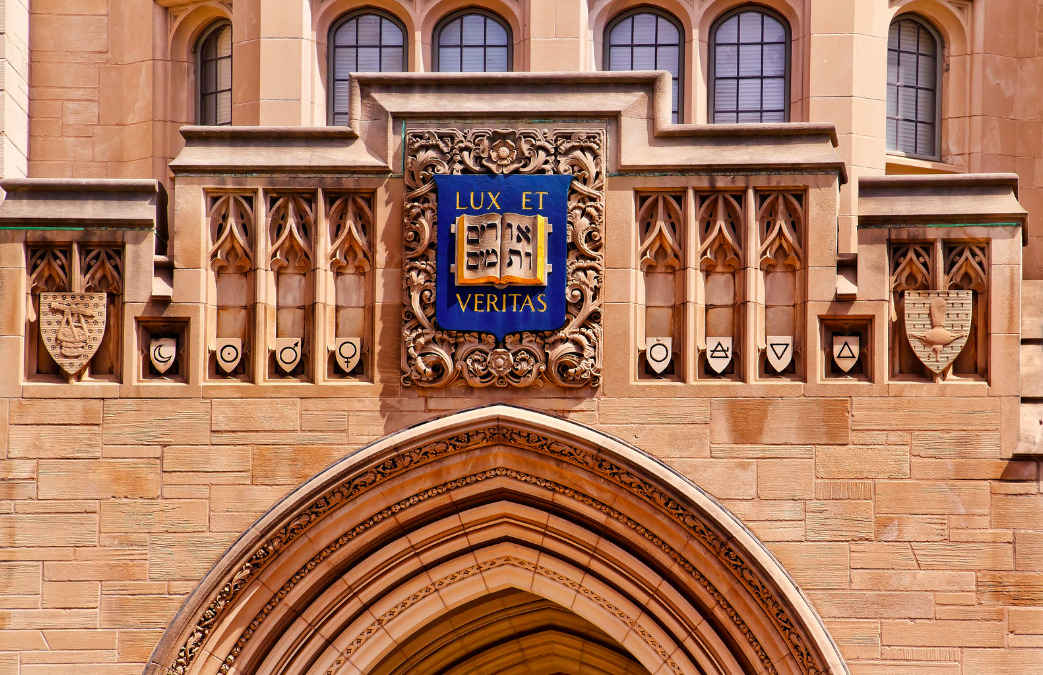
 Yale has shared news summarizing its 2020-2021 admissions cycle.
After going test optional for this admissions cycle the university saw a dramatic increase in first-year applications this cycle; while last year roughly 35,000 students applied for first-year admission, this cycle roughly 47,000 students applied. Even with this increase in applications, Yale has accepted about the same number of first-year students this cycle as last cycle despite 300 accepted students from last cycle deferring to this fall.
Overall, Yale accepted fewer than five percent of those who applied for Fall 2021 first-year admission. The exact acceptance rate is 4.62 percent for all applicants, but that number will change slightly depending on what happens with Yale’s waitlist.
For the Regular Decision round of admission only, Yale admitted 1,332 students out of a pool of 38,966 applicants. This means Yale’s Regular Decision acceptance rate this cycle was 3.42 percent. Meanwhile, Yale’s Early Action acceptances totaled 837 out of a record high 7,939 who applied. This means Yale’s Early Action acceptance rate this cycle was 10.5 percent. Yale also admitted nearly seventy-five Questbridge students in December 2020 and offered a spot on its waitlist to 1,030 applicants, though considering how many students deferred admission to this fall, it’s dubious many students will come off of that list.
Interestingly, most applicants to Yale this cycle never visited Yale’s campus before applying.
Jeremiah Quinlan, Yale’s Dean of Undergraduate Admissions & Financial Aid shared, “Reading the stories of 47,000 adolescents who experienced the events of 2020 has had a profound effect on every member of our team, and I believe this group of students will make an indelible mark on history.”
Though teenagers are at minimal risk of current strains of COVID-19, Yale recently announced that its test-optional policy will be extended for the 2021-2022 admissions cycle.
 Calls for improving the way students apply for financial aid have been flooding the college admissions world, thanks to two articles by college admissions writer/guru Eric Hoover. The first article goes into painful detail of the painful process (yes, it deserves two painfuls) many students experience
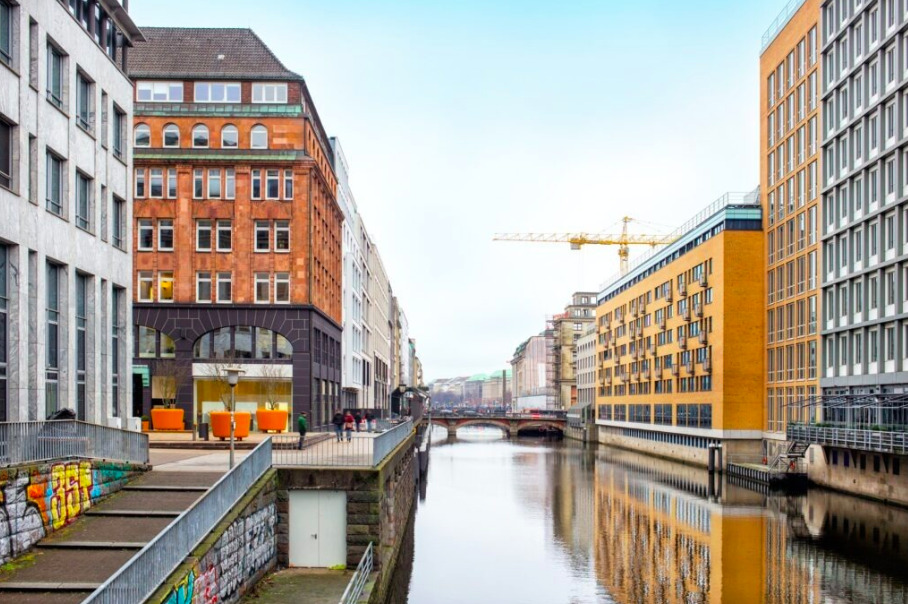 Germany is one of the most attractive countries in Europe from both educational and professional perspectives. Germany is known for innovative employment opportunities in automation and engineering fields. In addition to this, Germany has one of the lowest unemployment rates across Europe. Often, students desire to work part-time jobs for generating secondary income while they study in Germany; however, they need to realize that there are different conditions for different students who desire to work in Germany while completing their studies.
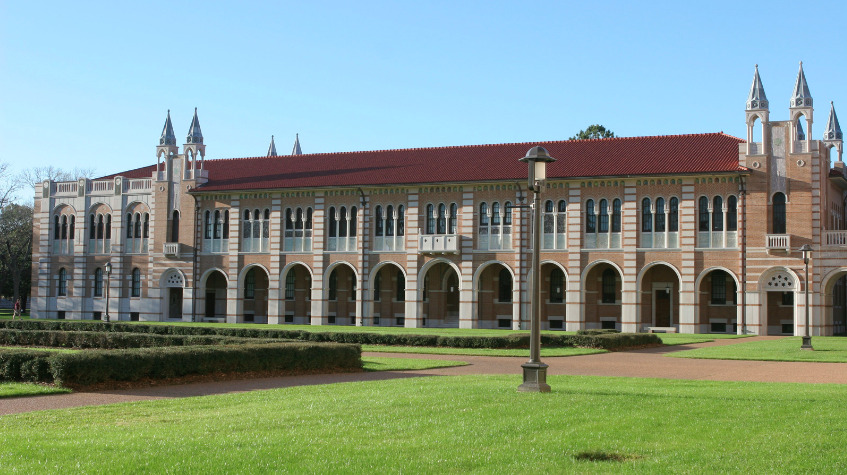 Starting Fall 2021, Rice University in Houston, Texas is adding a major to the over fifty it currently offers.
 This isn’t the week to be a high school student. Statewide assessment is going on across the country, and thanks to social distancing policies, at least some students are taking the ACT on gym bleachers, six feet apart, straddling a wooden plank across their legs and using it as a desk. Among other things, the results of this ACT will be used in some states to decide which students get merit scholarship money.
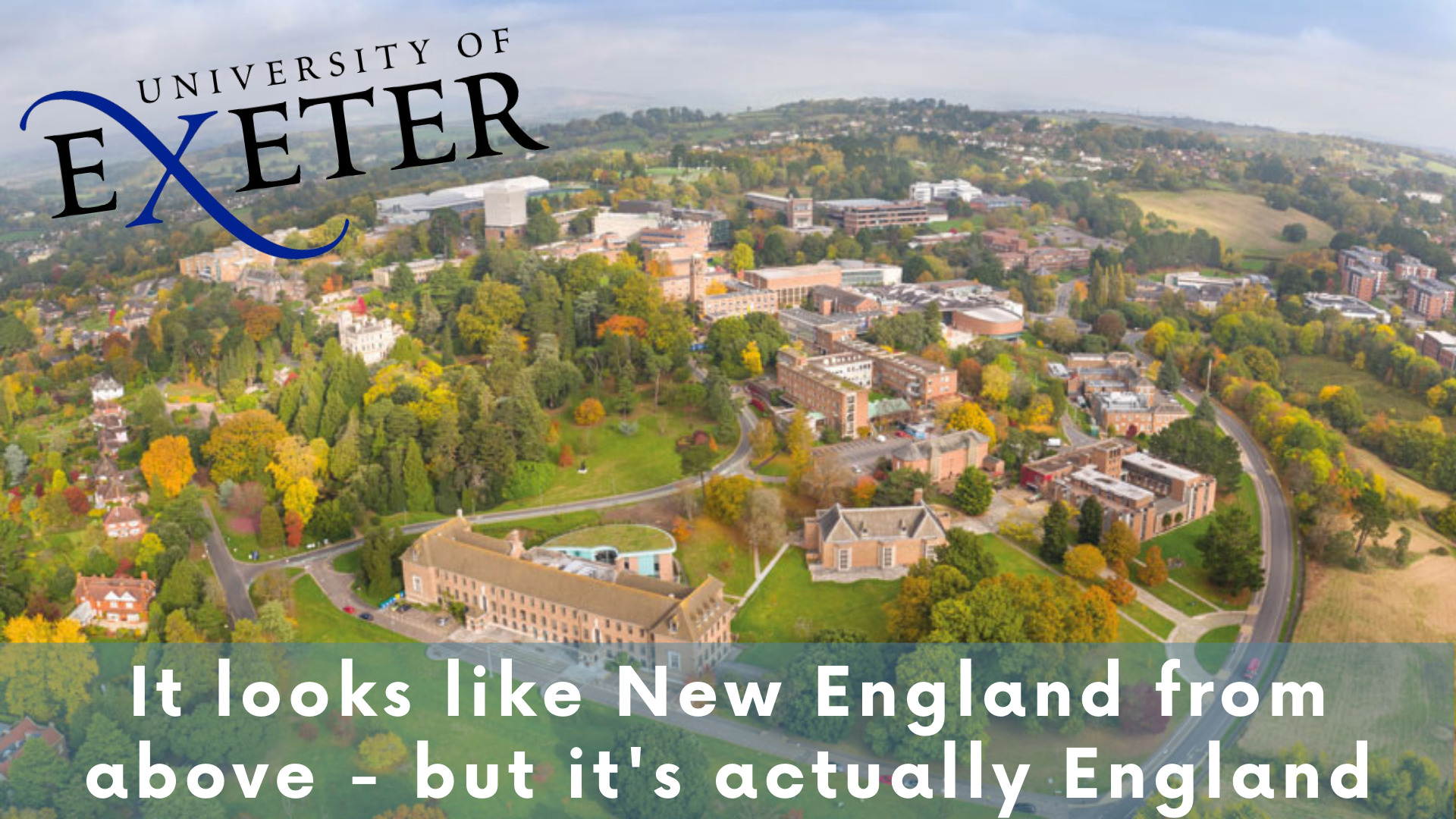 University of Exeter, a member of the Russell Group of research-intensive UK universities, has shared some exciting news for prospective international students: a new scholarship opportunity.
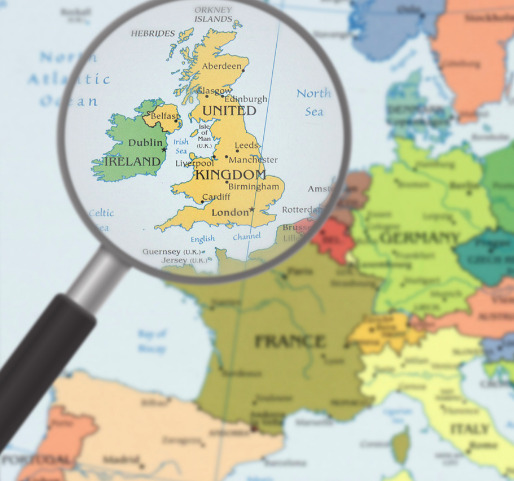
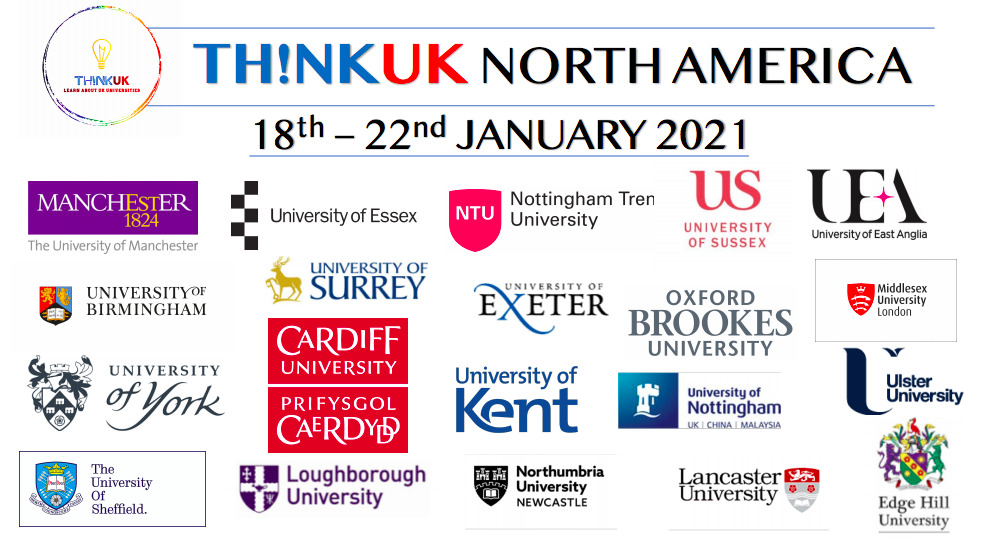 TH!NKUK is like a massive multi-day virtual college information session, and it will be the largest scale event organized specifically by UK universities for a North American audience this year. TH!NKUK highlights diverse higher education opportunities in England, Wales, and Northern Ireland and will cover everything from how to submit UCAS applications to what it’s like to arrive in the UK as an international student. Best of all, participants will have the chance to engage with International Admissions Officers, academics, current UK university students from North America, and UK university alumni.