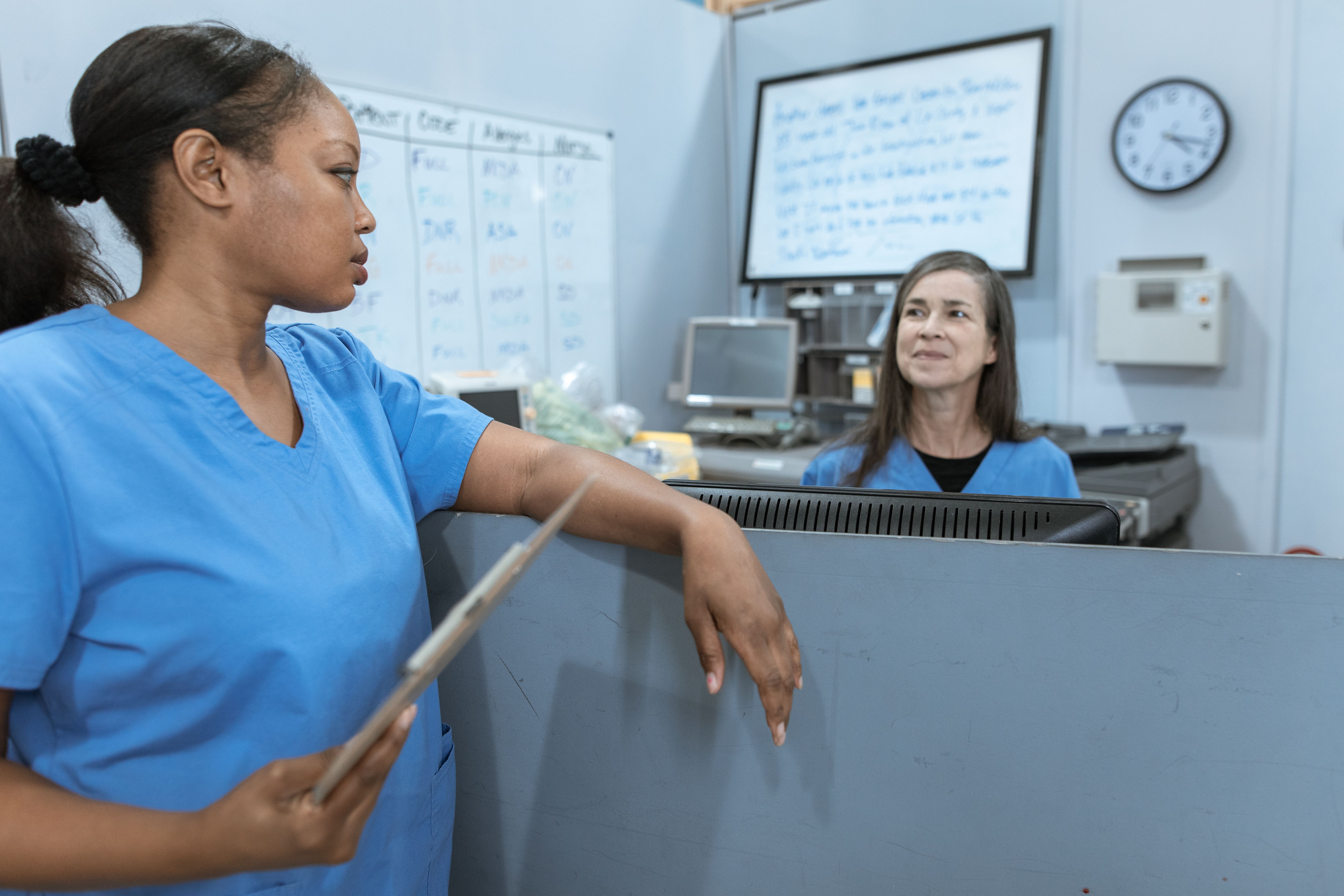
Moving from an associate nursing qualification to a master’s degree is a massive professional milestone. If you want to do it well and with ease, you need to plan as best you can. With the right educational pathway, you can build on your experience while preparing for more advanced opportunities within healthcare. It can feel like a lot to juggle, which is why the below should help you navigate this.
If you began your career with an Associate Degree in Nursing, pursuing a master’s degree may be the next step in your professional journey. As healthcare becomes increasingly specialized, graduate qualifications can help you in your work journey.
Build Your Knowledge Before Taking the Next Step
Every educational journey starts with research and progressing from an associate degree to a master’s program is no exception. Before submitting applications, take time to understand how different universities structure their programs, what admission requirements they have and which pathway best aligns with your career goals.
For many working nurses, an online RN MSN program offers a practical way to continue your education without stepping away from your current role. The flexibility of online study allows you to complete coursework while continuing to work, giving you the opportunity to gain valuable clinical experience as you progress academically.
If there is one tip you should absolutely take with you, it’s that comparing institutions is an important part of the decision-making process. Accreditation, course content, faculty experience, student support services and graduation requirements all need your attention.
Another advantage of online study is the wider choice of institutions available to you. Rather than limiting yourself to nearby universities, you can explore programs offered across different regions and choose one that best fits your interests and long-term ambitions.
Why Quality Education Makes a Lasting Difference
A graduate nursing degree is about far more than earning another qualification. It gives you the opportunity to deepen your clinical knowledge, strengthen your professional judgment and prepare for responsibilities that extend beyond everyday patient care.
A well-designed program builds on the experience you have already gained while introducing more advanced concepts in leadership, healthcare policy and clinical decision-making. Each area helps you develop a better understanding of healthcare and the responsibilities that come with more advanced nursing roles.
What you also need to bear in mind is that the strongest programs also encourage you to think critically about the decisions you make in clinical settings. Rather than simply learning new material, you will be challenged to evaluate situations, consider different approaches and develop solutions based on research and professional experience.
Equally important are the instructors who guide you throughout the program. Faculty members with extensive clinical backgrounds are vital, as they’re the ones you’ll be learning from. Their experience and passion for the topics are key.
Think Carefully About Clinical Placements
Although much of your academic work can be completed online, clinical placements remain one of the most valuable parts of your journey toward a Master of Science in Nursing. They give you the opportunity to apply what you have learned in real healthcare settings while working alongside experienced healthcare professionals.
Clinical placements vary depending on the university you choose and your area of specialization. You may complete your placement in a hospital, an outpatient facility, a community healthcare center or another approved medical setting.
Before enrolling, take the time to understand how your chosen university manages clinical placements. Some institutions help students secure suitable placement sites through established healthcare partnerships, while others expect you to arrange an approved placement independently.
These practical experiences also allow you to work alongside physicians, nurses, therapists and other healthcare professionals. As you collaborate with different members of the healthcare team, you will strengthen your communication skills, which is very helpful.
Develop Skills That Go Beyond the Classroom
Completing a graduate nursing degree involves much more than mastering academic material. Throughout your studies, you will continue developing professional skills that become increasingly valuable as you move into positions with greater responsibility.
Time management is often one of the first skills you will refine. If you continue working while studying, you will need to balance coursework, clinical hours and your personal commitments.
Communication is another essential area of growth. As a nurse, you will regularly work with multidisciplinary healthcare teams, making clear communication an important part of your professional role. Group discussions, presentations, written assignments and collaborative projects all provide opportunities to strengthen these abilities as you complete your degree. It will put you in new situations with different people and the skills you learn in those scenarios will be great as you move forward in your occupation.
Looking Ahead to Future Opportunities
Moving from an Associate Degree in Nursing to a Master of Science in Nursing represents more than earning another qualification. It is an investment in your long-term professional development and an opportunity to expand your knowledge, strengthen your expertise and prepare for new career opportunities in the workforce.