Admissions Blog

Undergraduate Admissions Uncensored

  • admissions.blog

What You Need to Know About Applying for Advanced Degrees in Education

Posted on July 15, 2024 by Anthony

Embarking on the journey to pursue an advanced degree in education is an exciting decision that opens a world of opportunities. It’s a path that demands dedication and vision, as it shapes not only your expertise but also your future career trajectory. Whether you’re drawn to the dynamic world of online learning or traditional campus-based programs, the process of selecting and applying to right-fit advanced degree program in education requires careful planning and thoughtful consideration.

The prospect of enhancing your qualifications and honing your skills is both inspiring and challenging. As you consider advancing your education in education, you’ll find that each step—from choosing the right program to navigating the complexities of the application process—plays a crucial role in reaching your goals.

Today we’ll cover important practical advice to help you make informed decisions and prepare a strong application. So, get ready to turn your educational aspirations into reality by understanding what it takes to succeed in the unique arena of selecting and applying to right-fit advanced degree programs in education, which will hopefully culminate in you earning a valuable education and degree.

But before discussing how to get to your final destination, it’s important to explore why pursuing an advanced degree in education is worth your time to begin with. Having an advanced degree in education opens up a variety of career opportunities across different sectors. Here are some common paths that individuals with advanced degrees in education pursue:

  1. Teaching and Administration: Many people with advanced degrees in Education continue to work in K-12 schools or higher education institutions as teachers, principals, administrators, or curriculum developers. They may specialize in particular subjects, grade levels, or educational philosophies.
  2. Educational Leadership: This can involve roles such as school principal, superintendent, or district administrator. Educational leaders focus on shaping policy, managing resources, and improving educational outcomes across an entire school or district.
  3. Curriculum Design and Development: Professionals in this area create educational materials, design courses, and develop instructional strategies. They may work for educational publishers, nonprofit organizations, or government agencies.
  4. Educational Consulting: Consultants provide expertise to schools, districts, or educational organizations. They might specialize in areas such as technology integration, special education services, or assessment practices.
  5. Research and Policy: Some individuals with advanced degrees in Education work in research institutions, think tanks, or government agencies to conduct educational research, analyze policies, and influence educational practices and reforms.
  6. Higher Education: Opportunities exist in colleges and universities as professors, academic advisors, or administrators in student affairs or institutional research.
  7. Adult and Continuing Education: Professionals in this field work with adults in settings such as community colleges, workforce development programs, or corporate training departments.
  8. International Education: This involves working in educational development projects, international schools, or organizations focused on global education initiatives.
  9. Educational Technology: With the integration of technology in education, there are opportunities for individuals to work as instructional designers, educational technologists, or developers of educational software and tools.
  10. Nonprofit and Advocacy Organizations: Many nonprofits focus on improving educational access and quality. Roles in these organizations can involve program management, advocacy, fundraising, or public policy.

Overall, an advanced degree in Education can lead to a diverse range of fulfilling careers where individuals can contribute to improving educational outcomes, shaping policy, conducting research, and innovating in teaching and learning practices.

Exploring Your Options

In today’s educational landscape, prospective students have myriad advanced degree options to choose from, with one of the most compelling being online doctor of education programs for those who want to create positive change in the world of education. Such programs cater to professionals seeking to expand their expertise in educational leadership without the constraints of traditional campus attendance. The flexibility of online learning platforms allows for the continuation of professional responsibilities while advancing academic qualifications. Students should explore the different specializations within Ed.D. programs, such as curriculum development, educational technology, or leadership, to ensure programs being considered align with their career goals.

Understanding the Admission Requirements

The admission process for advanced education degrees typically requires a bachelor’s degree at minimum, with many programs also demanding a master’s degree in a related field. For Ed.D. programs, applicants might need to demonstrate their professional experience in education or leadership roles, showcasing their potential to contribute to and benefit from the program. It is crucial for applicants to thoroughly review the specific requirements of each program, which can usually be found on the institution’s website, and to prepare their application materials accordingly, including transcripts, a resume, and a statement of purpose.

Selecting the Right Program for Your Career Goals

Choosing the right advanced degree program is a pivotal decision that can significantly influence your professional trajectory. Prospective students should consider programs that not only match their academic interests but also support their long-term career objectives. This involves researching the curriculum and faculty expertise in potential programs and considering the program’s network and reputation within the industry. Informational interviews with alumni and faculty can provide insider insights into the program and help gauge alignment with career aspirations.

Financing Your Education

Funding an advanced degree can be daunting, but numerous financial aid options are available to help manage the costs. Scholarships and grants offer financial support without the requirement of repayment, making them ideal sources to pursue. Many universities and external organizations offer scholarships specifically for advanced education students, often based on merit, need, or specific demographic criteria. It’s crucial to begin your search early and apply for as many relevant scholarships and grants as you can. The financial aid office at your prospective universities is a great resource; they can provide information about available scholarships and advice on how to strengthen your applications.

Preparing a Compelling Application

Crafting a compelling application is key to gaining admission into your chosen advanced education program. The core of a strong application is a clear, well-structured statement of purpose. This document should articulate your academic interests, professional background, and how the program will help you achieve your career goals. It’s essential to personalize your statement for each program, highlighting what specifically draws you to its offerings and how it aligns with your future plans.

Letters of recommendation are another critical component. These should come from individuals who know you professionally or academically and can vouch for your potential in advanced studies. Effective recommendations go beyond praising your work; they provide detailed examples of your skills and accomplishments. Preparing your recommenders with information about the program and your career goals can help them tailor their letters to have the greatest impact.

The Role of Professional Experience in Advanced Degree Applications

For many advanced degrees, especially in fields such as education, health, and business, relevant professional experience is not just an asset—it’s a requirement. This experience demonstrates your commitment to the field and ability to apply theoretical knowledge practically. When preparing your application, clearly outline how your work history prepares you for success in the program and in future career roles. Highlight specific projects or roles that align with the program’s focus, and discuss these experiences during any admissions interviews to showcase your preparedness and insight.

Navigating Online Application Systems

The convenience of digital applications is significant, but navigating these systems requires attention to detail. Ensure that all fields are completed accurately and that all required documents are uploaded in the correct formats. Missing data or improperly formatted attachments can delay or even disqualify your application. Additionally, it’s wise to confirm submission through the platform and follow up with the admissions office to verify that your application is complete and under review.

Interview Preparation for Advanced Degree Programs

If the program you are applying to requires an interview, preparation is key. Interviews for advanced degrees often focus on your research interests, professional experiences, and how you plan to contribute to the academic community. Prepare by formulating thoughtful answers to common questions, such as your reasons for choosing this field of study, your academic and career goals, and how you handle academic challenges. Practice articulating your thoughts clearly and confidently, ideally with a mentor or through mock interviews.

What to Expect After Acceptance

Once accepted, you will likely receive a package of information detailing your next steps. This typically includes registration for courses, details about orientation (which can be particularly important for online programs to familiarize with digital platforms), and information about student services. For those continuing to work while studying, it’s important to begin planning how to balance work and coursework. Reach out to your academic advisor early to discuss your schedule and any potential conflicts.

Conclusion

Applying for an advanced degree is a significant step that can enhance both personal and professional development. By carefully preparing your application, aligning the program with your career goals, and effectively managing the logistical aspects of the application and subsequent acceptance, you set the stage for success in your advanced studies. Remember, the journey to an advanced degree is not just about enhancing your resume but also about growing as a leader, thinker, and innovator in your field. Stay focused and persistent, and the benefits of this rigorous academic endeavor will be well worth the effort.

Fast-Track Your Career Transition: How Online Accelerated Programs Can Help

Posted on April 12, 2024 by Austin Gurney

Career transitions have become increasingly common as professionals seek to adapt to changing industries, pursue new passions, or enhance their skill sets. Yet, a successful career transition can be challenging and require time, dedication, and often additional education or training.

Fortunately, online accelerated programs offer a convenient and efficient way to fast-track your career transition. Almost 53% of all post-secondary degree seekers took online classes in 2021 according to Forbes. Among these, 26% studied exclusively online in the US.

In this article, we will explore how online accelerated programs can propel your career forward.

Understanding Career Transitions

Career transitions can take many forms, from switching industries entirely to climbing the corporate ladder within your current field. Whatever the case, these transitions often require acquiring new knowledge, skills, and qualifications. This can be daunting, especially for those with busy schedules or financial constraints.

People usually transition to follow their passion or because they don’t like their current work. A study published by CNBC shows that at least 61% of adult workers in the 18-29 age group shifted their sector.

Traditional education pathways, such as full-time degree programs, may not be feasible for individuals looking to transition quickly. This is where online accelerated programs come into play, offering flexible options tailored to the needs of working professionals.

The Rise of Online Accelerated Programs

The advent of online education has revolutionized the way people learn and acquire new skills. Accelerated online programs often further condense course material into shorter time frames without compromising quality. Such programs leverage technology to deliver interactive learning experiences accessible anytime, anywhere.

One key advantage of online accelerated programs is flexibility. Unlike traditional classroom-based education, online programs allow students to learn independently and around their existing commitments. This makes them particularly attractive to working professionals seeking to upskill or pivot their careers while continuing to work.

Consider the example of the Accelerated Bachelor of Science in Nursing (ABSN). The World Bank Group has shared that there is high demand for nurses. In fact, there is an estimated shortage of around 13 million nurses worldwide, which means that online study options related to nursing offer an excellent transition opportunity for those who are aspiring to become nurses.

With numerous online accelerated BSN programs, professionals can seamlessly transition from their current field to nursing. This creates a win-win situation: candidates can transition to do what they want to do, and the world will have more nurses.

Moreover, there will be a high supply of nurses as these programs are completed quickly. According to Online ABSN Programs, these courses are a faster and more accessible way for graduates to become licensed nurses. Those with bachelor’s degrees can enroll in these programs and change their careers.

Advantages of Online Accelerated Programs

Online accelerated programs offer several advantages for individuals seeking to further their education while balancing other responsibilities, such as work or family. Here are some of the key benefits:

Speed

The primary benefit of accelerated programs is their ability to fast-track your career transition. By condensing the curriculum into shorter timeframes, these programs enable you to acquire new skills and credentials quickly.

As a Research.com article mentions, online accelerated programs are shorter in duration. They can be completed in 18 months to three years. This means you can enter the job market sooner or progress more rapidly in your chosen field.

Flexibility

Online accelerated programs offer unmatched flexibility, allowing you to balance your studies with work, family, and other commitments. Whether you’re a full-time professional or a parent with limited free time, you can access course materials, lectures, and assignments at your convenience. This flexibility eliminates the need to put your life on hold while pursuing further education.

Cost-Effectiveness

Traditional degree programs often come with hefty tuition fees, not to mention additional expenses such as accommodation and commuting. In contrast, online accelerated programs are more cost-effective, with lower tuition fees and fewer associated expenses.

According to OnlineU, accelerated bachelor’s degree courses cost around $300 to $600 per credit hour. This makes them attractive for those looking to advance their careers without breaking the bank.

Choosing the Right Program

Choosing the right online accelerated program can be a significant decision that requires careful consideration. One of the first steps in this process is identifying your goals and what you hope to achieve through the program. Whether you want to advance in your current career, switch fields, or gain new skills, understanding your objectives will help you narrow your options.

Researching the reputation and accreditation of the program is crucial. Accreditation ensures that the program meets certain quality standards and that employers and other institutions will recognize your degree or certificate. Look for programs accredited by recognized accrediting bodies in your country or region.

Consider the format and structure of the program. Online accelerated programs often offer flexibility in terms of scheduling, allowing you to balance your studies with other commitments. However, ensuring that the program’s format aligns with your learning style and preferences is essential. Some programs may require more independent study, while others may include live lectures or group discussions.

Take into account the curriculum and course offerings. Ensure the program covers the topics and skills you’re interested in and that experienced faculty members teach the courses. You may also want to look for programs offering hands-on learning opportunities or real-world experience, such as internships or capstone projects.

Consider the support services available to online students. This includes academic advising, technical support, library resources, and career services. Access to these resources can significantly impact your program’s success and overall learning experience.

Evaluate the program’s cost, including tuition, fees, and additional expenses such as textbooks or software. While online accelerated programs can be a cost-effective option compared to traditional on-campus programs, it’s essential to consider the return on investment. Also, see if the program’s cost aligns with your budget and financial goals.

Lastly, take the time to read reviews and testimonials from current and former students. Their experiences can provide valuable insights into the program’s strengths and weaknesses and help you make an informed decision. Additionally, consider contacting program alumni or faculty members with questions or concerns before enrolling.

Frequently Asked Questions

Is an Accelerated Program Worth It?

Accelerated programs can be worth it for individuals looking to expedite their career transitions or educational pursuits. These programs offer the opportunity to complete coursework in a shorter timeframe, allowing individuals to enter the workforce or advance more quickly. However, the worth of an accelerated program depends on various factors, such as the individual’s goals, time availability, and the program’s reputation.

What Is a Fast Track Course?

A fast-track course is an educational program designed to expedite learning by condensing the curriculum into a shorter duration than traditional programs. These courses often feature intensive study schedules and streamlined coursework and may include online or hybrid learning formats. Fast-track courses are particularly beneficial for individuals seeking to acquire new skills or qualifications in a shorter timeframe.

What Is the Fastest Degree to Get Online?

The fastest degree to get online varies depending on the individual’s prior education, experience, and chosen field of study. However, some of the fastest online degrees typically include certificates or associate degrees in information technology, healthcare, business administration, etc. These programs often have streamlined curricula and flexible scheduling options, allowing students to complete their degrees more quickly than traditional on-campus programs.

In conclusion, online accelerated programs offer a convenient and efficient way to fast-track your career transition. With speed, flexibility, and cost-effectiveness, these programs empower working professionals to acquire new skills and qualifications. Whether you’re looking to switch industries or pursue a passion project, online accelerated programs provide the tools and resources you need to succeed.

Online Learning for Entrepreneurs: 6 Essential Options to Enhance Your Skills

Posted on April 10, 2024 by Anthony

Entrepreneurs and budding entrepreneurs, as drivers of innovation and business expansion, continuously strive to enhance their expertise and maintain a competitive edge. With this in mind, in the contemporary digital era, entrepreneurs are increasingly relying on online education as a valuable tool. It provides them with flexibility, accessibility, and a wide array of tailored courses to meet their unique requirements.

According to Spring Arbor University, unlike traditional classroom-based learning, online courses allow entrepreneurs to learn at their own pace, from anywhere. It makes it easier for them to acquire new knowledge and skills essential for success in the ever-evolving business landscape.

So, today, let’s explore six essential online courses for entrepreneurs to enhance their skills and knowledge.

Master of Business Administration (MBA)

For startup entrepreneurs, obtaining an MBA can enhance skills and offer a competitive edge. An MBA program provides comprehensive knowledge and training in various aspects of business management, including finance, marketing, operations, strategy, and entrepreneurship.

In states like Michigan, where the entrepreneurial landscape is thriving, the value of such courses is particularly significant. According to DBusiness, Michigan has emerged as the No.1 Emerging Startup Ecosystem globally, as per the GSER 2022 report.

Furthermore, the Business Formation Statistics Report highlights that Michigan ranked No. 11 among all 50 states for the highest number of business startups. In 2021 alone, Michigan witnessed the creation of 150,465 business startups, a notable increase from the previous year.

These statistics underscore the importance of online MBA programs in Michigan for aspiring Michigan entrepreneurs. By enrolling in such programs, Michigan entrepreneurs and those from elsewhere can gain access to valuable resources, expert faculty, and networking opportunities tailored to the local Michigan business environment.

Online MBA programs offer flexibility and convenience, allowing entrepreneurs to balance their education with the demands of running a startup. Investing in an online MBA program can help entrepreneurs with knowledge and skills. These resources are crucial for navigating the competitive landscape and driving the success of their ventures.

Marketing Strategies for Small Businesses

Online courses for “Marketing Strategies for Small Businesses” cover a range of topics crucial for success in today’s competitive market. Some popular courses include:

  • Content Marketing: These courses instruct on crafting and disseminating valuable, pertinent content to engage and retain a well-defined audience. Consequently, this leads to prompting profitable actions from customers.
  • Search Engine Optimization (SEO): SEO courses aid small enterprises in enhancing their website’s prominence in search engine outcomes, thereby amplifying organic traffic and brand exposure.
  • Marketing Analytics: These courses focus on using data to measure marketing performance, optimize campaigns, and make informed decisions.
  • Branding and Positioning: These courses help small businesses develop a strong brand identity and positioning strategy to differentiate themselves in the market.
  • Local Marketing: These courses focus on strategies for reaching and engaging with local customers, such as local SEO, local advertising, and community engagement.
  • Marketing Automation: These courses teach how to use marketing automation tools to streamline marketing processes, nurture leads, and improve efficiency.

Financial Management for Startups

A new start-up is usually a small business. According to the U.S. Chamber of Commerce, small businesses are independent businesses with fewer than 500 employees. Based on this definition, there are 33.2 million small businesses currently in America, which account for 99.9% of all U.S. businesses.

It is also seen that most of these small businesses are closed within the first year of opening. The major reason behind the closure is improper financial management. Here, the role of financial management courses comes into play.

Entrepreneurial finance courses are tailored to provide entrepreneurs with the necessary expertise and abilities to adeptly handle the financial aspects of their ventures. These courses encompass crucial subjects like budgeting, financial projection, cash flow supervision, and making sound financial decisions.

By taking this course, entrepreneurs can deeply understand their startup’s financial health and identify potential risks and opportunities. With this, they can make informed financial decisions that drive long-term success.

Additionally, this course provides practical tools and strategies that entrepreneurs can immediately apply to their startups, helping them manage limited resources efficiently. Overall, it is a valuable resource for entrepreneurs looking to build a strong financial foundation for their businesses and achieve sustainable growth.

Leadership and Team Management Programs

Leadership and team management programs are invaluable resources for young entrepreneurs looking to develop the skills to lead and manage teams effectively. These programs offer a comprehensive curriculum that covers a range of topics, including leadership styles, communication strategies, conflict resolution, and team building.

According to Research.com, after undergoing leadership training, employees’ knowledge increased by 25%, and their overall job performance improved by 20%. By participating in these programs, young entrepreneurs can enhance their ability to inspire and motivate team members and foster a positive work environment. Such programs frequently offer avenues for networking and mentorship, facilitating connections between budding entrepreneurs and seasoned leaders.

This interaction provides young entrepreneurs with valuable insights into successful leadership techniques. These programs play a crucial role in helping young entrepreneurs develop the skills and confidence needed to lead their teams to success.

Digital Marketing Courses

Entrepreneurs aiming to establish a robust online presence and connect with their target audience find digital marketing courses indispensable. These courses encompass various subjects like search engine optimization (SEO), social media marketing, email marketing, content marketing, and online advertising. These courses allow entrepreneurs to learn how to create and implement digital marketing strategies that drive traffic, generate leads, and increase conversions.

These courses often provide hands-on experience with tools used in digital marketing, helping entrepreneurs develop practical skills to apply directly to their businesses. Overall, these courses are a valuable resource for entrepreneurs looking to leverage the power of digital marketing to grow their businesses and achieve success.

According to Gitnux, the digital marketing industry is projected to reach $807 billion by 2026. The desktop will take 31% of the ad spending share and mobile phones will take 69% of the share. This data shows the importance of learning digital marketing skills in today’s scenario.

Business Strategy and Planning Courses

These courses are crucial for entrepreneurs seeking to establish a firm footing for their ventures and devise strategies for sustained success. They delve into diverse subjects such as strategic planning, market analysis, competitive positioning, and financial planning. By taking these courses, entrepreneurs can learn how to formulate clear business goals, identify key market trends and opportunities, and develop actionable strategies.

Additionally, these courses often provide insights into effective decision-making processes, risk management strategies, and ways to adapt to changing market conditions. These courses are valuable resources for entrepreneurs seeking to build a sustainable and competitive business in today’s dynamic market landscape.

Frequently Asked Questions

What key components are covered in an MBA program, and how do they benefit entrepreneurs?

An MBA program encompasses vital areas such as finance, marketing, operations, strategy, and leadership, furnishing entrepreneurs with a holistic grasp of business fundamentals. This knowledge equips them to make well-informed decisions, devise successful strategies, and adeptly oversee their enterprises. Moreover, MBA programs often facilitate networking and mentorship, fostering valuable connections and offering guidance from seasoned experts, which can greatly benefit entrepreneurs.

Are there any specialized tracks or concentrations in the MBA program catering to entrepreneurial ventures?

Certainly, numerous MBA programs provide specialized pathways or concentrations tailored to entrepreneurship. These pathways usually feature coursework dedicated to entrepreneurial finance, the creation of new ventures, managing innovation, and fostering business growth. These specialized tracks equip aspiring entrepreneurs with the necessary expertise to initiate and expand prosperous ventures.

How do online courses incorporate real-world case studies or practical exercises to enhance learning?

Online courses incorporate real-world case studies and practical exercises through various means, such as video lectures, interactive simulations, and group projects. These activities help learners apply theoretical concepts to real-life situations, analyze business problems, and develop critical thinking skills. Online courses often include discussions and forums where learners can share their experiences and learn from each other.

In conclusion, online learning has revolutionized education, offering entrepreneurs access to a wealth of knowledge and skills essential for success. Online courses provide a flexible and convenient way for entrepreneurs to enhance their capabilities and grow their ventures. With the wide range of online courses available, entrepreneurs can tailor their learning experience to meet their specific needs and goals.

The perception of online studies in modern work life

Posted on April 4, 2024 by Austin Gurney

In today’s world, the way we learn and work is changing fast. More people are choosing online studies. This is because they fit better with our busy lives. Online degrees are now seen as a smart choice, not just a last resort. They offer a way to learn new skills or even change careers without stopping everything else. 

In this article, we’ll explore how online education is viewed in the modern workplace. Whether you’re working full-time, raising a family, or just looking to grow, online learning could be your next big step. Let’s dive in and see how it’s making a difference.

Rising Demand for Online Education

Online education is becoming more popular every day. There are a few reasons for this. First, it’s flexible. You can learn at your own pace, on your own time. This is great for people who are working or have families to take care of. You don’t have to be in a certain place at a certain time. You can learn from anywhere.

Second, online education is accessible to more people. It doesn’t matter where you live. As long as you have internet, you can get a degree. This opens doors for many who can’t easily travel to a campus. It’s also a big help for people living in remote areas.

The job market is always changing. New skills are in demand. Online education helps people keep up. You can learn new things while you work. This keeps your skills fresh. It makes you more valuable at your job. It can even help you switch careers if you want to.

Changing Perceptions of Online Degrees in the Workplace

How people think about online degrees at work has changed a lot recently. In the past, some people didn’t see online degrees as equal to traditional ones. Now, that’s changing. More employers are seeing the value in a fast-paced online degree.

A dominant reason for this shift is accredited institutions offering online degrees. These are schools that meet certain quality standards. When an online program is accredited, it means it’s just as good as an in-person program. This has helped make online degrees more respected.

What really matters at work is what you can do. It’s about the skills and knowledge you bring to the table. Employers are looking for people who can solve problems and get the job done. They care more about what you know and less about where you learned it. Online education focuses on teaching you real skills that apply directly to your job. This practical approach is something employers value a lot.

Impact of Technology on Online Education

Technology has made online education better and easier to get to. Before, online courses might have just been videos and quizzes. Now, they’re much more interactive and engaging.

First off, some platforms make learning online feel like you’re part of a class. You can talk to other students and teachers in real-time. This makes it easier to ask questions and get help when you need it. It’s like being in a classroom but from your own home.

Then, there are virtual simulations. These are computer programs that let you practice real-world tasks. For example, if you’re studying to be a nurse, you can practice medical procedures in a virtual hospital. It’s a safe way to learn important skills before you have to do them for real.

Real-time discussions are another big part of online learning now. You can have live classes or study groups. This means you can talk through problems and ideas with your classmates and teachers just like you would face-to-face. It makes learning online feel more personal and less lonely.

All these tech advances have made online education more than just reading and watching videos. They’ve made it a rich, interactive experience. You can learn in ways that fit your style and get a lot of support along the way.

Conclusion

In the end, online education has come a long way. It’s now a powerful tool for anyone looking to learn and grow, no matter their situation. With technology making it more interactive and respected by employers, it’s clear that online degrees are a solid choice for the future. 

Whether you’re aiming to advance in your career, learn something new, or just keep up with a fast-moving world, online learning is ready to help you achieve your goals. It’s an exciting time to learn online, and the possibilities are endless.

High School Students Interested in Entrepreneurship Should Consider Babson Summer Study

Posted on January 16, 2024 by Craig Meister

Babson College, which is located just thirty minutes from downtown Boston, Massachusetts, is an increasingly popular choice for high school students seeking to study entrepreneurship during their undergraduate careers. And what better way to get a taste of what a Babson undergraduate experience could be like than by taking part in a Babson summer pre-college program exclusively for high school students?


High-achieving high school students interested in engaging in an immersive multi-week experiential online summer program during which they are able to discover what it means to be an entrepreneur should certainly consider Online Babson Summer Study, which takes place from July 8 through July 29, 2024. The program helps high school students cultivate core career skills and a sharp entrepreneurial mindset for overcoming challenges in any setting and in any role while earning four college credits from Babson, which is often ranked as offering one of America’s best undergraduate programs for entrepreneurship.

According to Beth Goldstein, the Senior Director of Babson’s Youth Impact Lab, Babson Summer Study is specifically designed for rising high school juniors and seniors (current tenth and eleventh grade students) who want to participate in interactive online sessions with Babson faculty, world renown entrepreneurship experts, and Babson students while designing a social impact solution with peers from around the world. They will also learn how to apply Babson’s Entrepreneurial Thought & Action® framework for solving problems, and develop the leadership competencies needed to address real-world problems.

Additionally, through Summer Study, rising high school juniors and seniors learn how to assess their abilities and passions to determine which ones they want to strengthen, learn about the U.N. Global Goals and how they connect to challenges in their own communities, and develop prototypes, deliver a Rocket Pitch, and evaluate the feasibility of their team’s social impact solution.

Goldstein encourages prospective students and their families to participate in one of three virtual information sessions taking place over the coming weeks:

  • Wednesday, January 17, 2024, 7:00 PM Eastern Time
  • Tuesday, January 23, 2024, 9:00 AM Eastern Time
  • Monday, February 5, 2024, 8:00 AM Eastern Time

To learn more about the Online Babson Summer Study experience and to register for an information session, visit babson.edu/high-school-programs. The early bird application deadline is February 15, 2024 and the standard application deadline is March 15, 2024.

5 Compelling Reasons to Pursue a Juris Doctor Degree After College

Posted on July 13, 2023 by Anthony

Pursuing a Juris Doctor (JD) degree could be your perfect pathway to success if you are considering a career in law, but a JD degree also offers numerous opportunities in various fields. In fact, whether your goal is to become a lawyer, work in government, or pursue a business career, a JD degree provides essential legal knowledge and skills that help individuals succeed in the fields mentioned above and beyond.

When contemplating your path after undergrad, be sure to consider the following five compelling reasons why pursuing a Juris Doctor degree may be the ideal path forward for you.

1. Career Opportunities

One of the most compelling reasons to pursue a Juris Doctor (JD) degree is the wide range of career opportunities it can unlock. With a JD degree, you can explore various career paths within a diversity of fields.

According to Indeed, the Juris Doctor (JD) is a specialized degree awarded to those who complete law school. With a JD, individuals can practice law as licensed attorneys in their respective states.

Additionally, obtaining a JD equips graduates with the necessary expertise and abilities to pass their state bar exams and pursue a legal career. It is worth noting that to earn a JD, prospective lawyers must attend a law school accredited by the American Bar Association (ABA).

As a lawyer, you can advocate for justice, represent clients, and make a positive impact on society. However, the career opportunities for degree holders extend beyond traditional legal practice.

Many with a JD find fulfilling careers in business, consulting, and entrepreneurship. The critical thinking, problem-solving, and analytical skills developed during law school make JD graduates highly sought after in these sectors. Companies value the legal knowledge and expertise these degree holders bring, particularly in industries involving regulations, contracts, and compliance.

2. Intellectual Development and Critical Thinking Skills

While brick and mortar JD programs have been around for generations, with huge advances in technology in recent years, more and more students are intrigued by the prospect of earning their JD online. Pursuing a Juris Doctor degree online can significantly enhance your intellectual development and critical thinking skills. The online JD program offers a dynamic learning environment that challenges you to think critically, analyze complex legal issues, and develop logical arguments.

Through online coursework, you will engage in rigorous legal research, case studies, and discussions with fellow students and professors. This process fosters intellectual growth by sharpening your analytical skills and teaching you how to identify and apply key legal principles to real-world scenarios.

A Juris Doctor degree online encourages active participation and independent thinking. You will learn to analyze statutes, regulations, and legal precedents to form well-reasoned opinions. This process nurtures your critical thinking abilities. It enables you to evaluate multiple perspectives, consider the implications of legal decisions, and propose innovative solutions.

Moreover, according to Cleveland State University, you develop problem-solving abilities and ethical practice competence. It can be done while learning fundamental legal ideas, conducting legal research, and analyzing legal material. Additionally, to assist you in becoming connected to the industry and direct your career growth, you are assigned an alumni mentor to further help you gain knowledge.

The online format of the JD program also allows you to practice time management and self-discipline, skills crucial for success in the legal profession. Balancing coursework, research, and personal commitments while adhering to deadlines helps cultivate a strong work ethic and enhances your ability to handle multiple responsibilities simultaneously.

3. Influence and Advocacy

One significant aspect of a JD degree is learning how to navigate the legal system and use it as a tool for advocacy. As a lawyer, you can represent individuals or organizations in court, presenting their cases and fighting for their rights. Your expertise allows you to influence judges, juries, and other Legal practitioners, making a compelling argument on behalf of your clients.

Beyond the courtroom, it empowers you to advocate for societal issues that matter to you. You can work with nonprofit organizations, human rights groups, or social justice initiatives to promote change in areas such as civil rights, environmental protection, or access to education.

The legal knowledge and understanding of the law you acquire during your JD studies provide a solid foundation for influencing policies, drafting legislation, and advocating for reforms.

Furthermore, it enables you to become a voice for the voiceless. You can represent marginalized communities, individuals facing discrimination, or those without legal representation.

4. Financial Rewards and Stability

Pursuing a Juris Doctor (JD) degree can lead to significant financial rewards and provide long-term stability in your career.

Firstly, the legal profession is known for its potential to provide lucrative opportunities. Legal professionals frequently command lucrative salaries, particularly when working for renowned law firms or specializing in areas like corporate law or intellectual property law. With experience and a strong reputation, your earning potential as a lawyer can increase substantially over time.

Secondly, a JD degree offers various career paths that offer financial stability. Beyond practicing law, you can work as a legal consultant, compliance officer, or in-house counsel for companies with high demand for legal expertise. These roles often offer enticing compensation packages and comprehensive benefits.

Moreover, the skills and knowledge acquired during a JD program can be valuable in entrepreneurial endeavors. Many JD graduates choose to establish their law firms or legal consulting businesses, allowing them to set their rates and potentially achieve financial independence.

5. Transferable Skills

Pursuing a Juris Doctor (JD) degree offers more than just legal expertise. It equips you with a wide array of transferable skills that are valuable in various professions and industries.

Though it is also essential to know what requirements you need to have before pursuing a JD Degree. As per Investopedia, these include completing an undergraduate degree, passing the Law School Admission Test (LSAT), and requesting official transcripts from your undergraduate institution(s). Also, it requires securing letters of recommendation and crafting a personal statement.

Once the above has been done, then as you start with the degree, it hones your research and analytical skills. Law school requires extensive research on legal precedents, statutes, and case law. This process trains you to gather and evaluate information critically, enhancing your ability to conduct thorough research in any field.

JD programs emphasize effective communication skills. Through oral arguments, presentations, and legal writing assignments, you develop the ability to articulate your thoughts clearly, persuasively, and logically.

Moreover, it fosters strong problem-solving abilities. Legal education encourages identifying issues, analyzing multiple perspectives, and proposing practical solutions.

JD Degree Empowers Legal Skills

Pursuing a Juris Doctor (JD) degree offers a multitude of compelling reasons to embark on this educational journey. From the diverse career opportunities within and beyond the legal field, a JD degree opens doors to a world of possibilities. This is why, according to the US Bureau of Labor Statistics (BLS), demand for legal practitioners in the US is anticipated to increase by 10% during the following ten years.

It is a wise investment in your future, providing the foundation for a rewarding and impactful career. Thus, if you have a passion for justice, a thirst for knowledge, and a desire to make a difference, consider pursuing this degree and unlock the exciting opportunities.

Why Stop with a BA or BS? There’s Valued Added in a Master’s Degree in Computer Engineering.

Posted on July 7, 2023 by Anthony

The digital era has revolutionized education, paving the way for innovative approaches to learning. One such advancement is the rise of online degree programs at both the undergraduate and graduate levels. While many students still prefer an in person undergraduate experience, pursuing an online master’s degree is an increasingly popular choice for young adults who are often also working professionals. And what better way to top off an undergraduate degree an increase your chances of securing a great job than by earning an online master’s degree in computer engineering to boot? With the advent of cyberspace classrooms, aspiring engineers can now pursue their higher education from anywhere in the world.
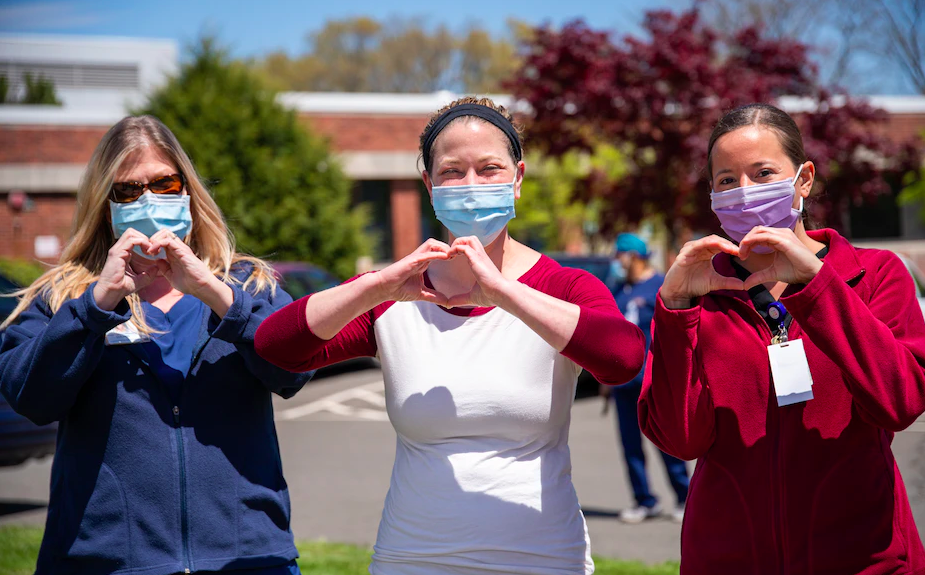
In this article, we will explore the benefits and opportunities offered specifically by online programs in computer engineering and highlight how these virtual paths can lead to a valuable master’s degree.

Flexibility for Working Professionals

After completing an undergraduate degree, many young adults find themselves working part- or full-time. Online master’s programs in computer engineering provide just such working professionals with the flexibility they need to balance their young careers and with a desire to pursue more advanced studies. Pursuing a master’s in computer engineering online grants the convenience of asynchronous learning, under which students can access lectures, assignments, and resources at their convenience.

As stated in a Big Think article, asynchronous learning offers significant cost advantages. With this approach, there is no requirement for a live instructor or a physical learning environment designed for a specific number of students. This flexibility enables individuals to maintain their full-time jobs while pursuing a degree, removing the limitations of geographical location and allowing them to tailor their study schedule accordingly.

Access to Top-Tier Institutions

Cyberspace classrooms break down the barriers of physical distance, granting students access to esteemed institutions that offer computer engineering programs. Online master’s degrees from renowned universities provide the same curriculum and instruction as their on-campus counterparts. As a result, students can acquire a high-quality education from leading experts in the field, enhancing their knowledge and skills in computer engineering.

Interactive Learning Experience

According to Kettering University, online education in computer engineering fosters an interactive and engaging learning experience. Virtual classrooms facilitate real-time communication with professors and classmates through discussion boards, video conferences, and collaborative projects. Students can actively participate in group discussions, seek clarifications, and share insights, thereby cultivating a vibrant online learning community.

Practical Hands-On Training

Despite being conducted remotely, online master’s programs in computer engineering prioritize practical hands-on training. Virtual reality and simulation software provide students with opportunities to practice coding, design algorithms, and develop hardware components.

According to an article shared on MDPI.org, there has been a notable rise in the utilization of virtual reality (VR) in education to enhance training, teaching, and learning experiences. This is achieved through the use of 3D simulations and visualizations that create a virtual presence for the learners. These VR platforms provide a secure space for students to engage in experimentation, enabling them to apply theoretical knowledge and acquire essential practical skills necessary for their future professional endeavors.

Networking and Industry Connections

Online programs provide ample networking opportunities for computer engineering students. Through online forums, virtual conferences, and alumni networks, students can connect with professionals and peers from diverse backgrounds. These connections offer a platform for collaboration, knowledge-sharing, and potential job opportunities. Engaging with industry experts online can also provide insights into the latest trends and advancements in computer engineering.

Recognized Credentials and Career Advancement

Increasingly, earning a master’s degree in computer engineering through an online program holds the same value as a traditional degree. Employers recognize and respect accredited online degrees and consider them as evidence of a candidate’s dedication, knowledge, and skills.

Individuals who have completed online master’s programs have the opportunity to utilize their credentials to progress in their careers and assume leadership positions. Among the highly sought-after roles in the computer science industry is that of a software project leader.

According to Zippia, the average salary for a software project leader is $109,474. Typically, a bachelor’s degree in computer science is the most common educational requirement for this role. It generally takes 2-4 years of professional experience to attain the position of software project leader.

These insights underscore the significance of recognized credentials and their role in career advancement within the computer science field. By leveraging their online master’s degrees, individuals can position themselves for success, seize leadership opportunities, and meet the rising demand for skilled professionals in this ever-evolving industry.

Key Takeaways

Online master’s degrees in computer engineering present a transformative educational path, leveraging the power of digital platforms. These programs offer unparalleled flexibility for working professionals, breaking barriers of distance and location. Access to renowned institutions provides a globally recognized education, fostering knowledge and skills in the field.

The interactive virtual classrooms enable engaging and collaborative learning experiences, while practical hands-on training prepares students for real-world challenges. Networking opportunities and industry connections open doors to diverse perspectives and potential career advancements.

Ultimately, online master’s degrees in computer engineering equip individuals with the credentials and expertise needed to thrive in a rapidly evolving technological landscape.

Why a Career in Nursing Can Comfortably Land You a Job in Texas

Posted on June 24, 2023 by Anthony

If you’re considering a career in nursing and wondering about the best places to pursue it, look no further than Texas. The Lone Star State offers a promising nursing career outlook with abundant opportunities and attractive prospects for aspiring and experienced nurses alike.

Let’s explore the reasons why Texas stands out as a thriving destination for nursing professionals and the exciting prospects that await those who choose to build their careers in the Lone Star State.

Growing Demand for Healthcare Professionals

With a rapidly expanding population, Texas has emerged as one of the fastest-growing states in the United States. This population growth, in turn, leads to increasing demand for healthcare services, creating a pressing need for more qualified nurses to meet the evolving healthcare needs of the state.

The job outlook for Texas registered nurses is undeniably rich and promising. Recent statistics indicate that the state is experiencing a shortage of approximately 30,000 RNs, highlighting a pressing demand for nursing professionals.

What’s even more remarkable is that this demand is expected to surge even further, with projections indicating a staggering growth of nearly 50% in the need for nurses by the year 2030.

This deficit is attributed to factors such as the impact of the COVID-19 pandemic. The Texas Hospital Association’s report reveals that around 500,000 nurses are expected to retire or leave the workforce this year alone, exacerbating the overall shortage to a staggering 1.1 million nurses.

The situation calls for urgent attention and strategic measures to address the impending healthcare workforce crisis, particularly in urban centers and underserved rural areas.

Diverse Range of Nursing Specializations

According to Baylor University, Texas presents a plethora of opportunities for nurses seeking specialization in various fields, such as pediatric care, mental health, oncology, and more. The state’s diverse healthcare landscape caters to a wide range of nursing interests, offering ample chances to pursue one’s passion and expertise.

From top-tier medical centers to community clinics, Texas accommodates nurses looking to advance their careers in different specialties.

Moreover, the Texas Health and Human Services Commission reports that approximately 3.7 million people, accounting for nearly 13 percent of the state’s population, belong to the 65 and older age group.

This number is projected to increase to 17 percent by the year 2050. As a result, the demand for specialized nursing services, particularly in long-term care, is expected to surge. Interestingly, Long-TermCare.gov reveals that around 70 percent of individuals reaching the age of 65 will likely require long-term care at some point in their lives.

Despite the evident demand for specific nursing fields in Texas, there is currently a scarcity of Advanced Practice Registered Nurses (APRNs) in the state, with only 5.2 percent of the workforce comprising APRNs.

With an aging population and increasing healthcare needs, the significance of nursing specialization cannot be overlooked, making it a highly sought-after profession in the evolving healthcare landscape of Texas.

Competitive Salaries and Benefits

Texas is renowned for its attractive salaries and competitive benefit packages for nursing professionals. According to statistics, the average salary for registered nurses (RNs) in Texas, across all cities, is $84,320 annually, equivalent to approximately $40.54 per hour.

This lucrative pay provides nurses with ample opportunities to enjoy an above-average standard of living within the state, especially considering Texas’ relatively lower cost of living compared to some other states.

Moreover, RNs in Texas receive a comprehensive benefits package that includes insurance coverage, retirement plans, and paid leave. On average, the value of these benefits amounts to an additional $35,274, making the overall compensation package highly appealing to nursing professionals.

Many healthcare facilities in Texas also go the extra mile by offering bonuses, tuition reimbursement, and various career advancement opportunities, further enhancing the attractiveness of working in the state for ambitious and dedicated nurses.

This combination of competitive salary and enticing benefits makes Texas a top choice for nurses seeking a fulfilling and financially rewarding career path.

Thriving Healthcare Facilities and Institutions

Texas is home to several world-class healthcare facilities, including the Texas Medical Center in Houston, one of the largest medical centers globally. The state’s healthcare institutions are equipped with cutting-edge technology and renowned for their commitment to research, education, and patient care. Working in such esteemed institutions provides nurses with invaluable experiences and opens doors for future career growth.

Advancing Nursing Education

Texas prioritizes the advancement of nursing education and offers numerous accredited nursing programs, ranging from Associate Degree in Nursing (ADN) to Doctor of Nursing Practice (DNP). The state’s universities and colleges collaborate with healthcare facilities to provide aspiring nurses with hands-on training and internships, fostering a well-prepared and competent nursing workforce.

Telehealth and Technological Advancements

In the wake of the COVID-19 pandemic, Texas has been at the forefront of embracing telehealth and other technological innovations in healthcare. Statistics reveal that telehealth is utilized in approximately 13% to 17% of patient visits across various medical specialties in the United States. This shift towards telehealth services has revolutionized nursing practice, enabling nurses to reach patients in remote areas and provide high-quality care virtually.

By leveraging technology in nursing practice, nurses in Texas have witnessed a significant enhancement in patient outcomes. The adoption of telehealth not only ensures improved access to healthcare services for patients but also allows nurses to develop expertise in digital healthcare delivery.

This tech-savvy approach to nursing opens up exciting opportunities for nurses to adapt to the changing landscape of healthcare, expand their skill set, and contribute to the advancement of patient care in the state.

Conclusion

If you’re looking for a promising nursing career with diverse opportunities and a supportive environment, Texas could be your ideal destination. With its growing demand for healthcare professionals, the state offers an attractive career outlook for nurses of all backgrounds.

Whether you’re a recent nursing graduate or an experienced professional seeking a change, Texas welcomes you with a wealth of opportunities to grow, make a difference in patients’ lives, and contribute to the advancement of nursing practice in this dynamic and vibrant state.

  • « Previous Page
  • 1
  • 2

Subscribe to our mailing list

Trending Posts

5 Smart Summer Tips for Wise Rising Seniors

10 Best Colleges for Smart Skiers and Snowboarders in North America

University of Miami Just Made It Easier to Apply – But Harder to Get In

Most and Least Popular Common App Essay Prompts

Many high school counselors mean well but…

Make the most of a college visit this spring

Top 20 Undergraduate Business Programs at Mid-Sized Colleges in the U.S. South

The top 23 songs to listen to while completing your college applications are…

First Impressions of Digital SAT

Dear 11th Grader: Don’t Screw Up Your Ivy League Chances Now

ACT Mastery Begins with a Schedule: The Importance of Structured Studying

This is what Affirmative Action and Test-Optional looks like at University of Wisconsin-Madison

8 Ways to Reduce the Cost of College

The 5 Most Ridiculously Underrated Colleges in America

5 American Colleges with the Most Grueling Standardized Testing Requirements for First-Year Applicants

Comparing Undergraduate Life at University of Oklahoma and Oklahoma State University

How to Deal with Anxiety During College Admissions (Especially Now)

AP vs. IBDP. Which is best for you?

Which California public universities receive the most applications?

Dear 10th Grader: Don’t Become An Ivy League Reject!

Wesleyan University Ends Legacy Preferences in Admissions

You CAN apply Restrictive Early Action and Early Action under the right conditions

Rolling Admission vs. Regular Decision

Making the most of the summer before senior year

Oh, Canada! The Definitive List of Canadian University Application Deadlines

Northwestern Releases Regular Decisions, Class of 2027 Statistics

30 Summer STEM Camps for High School Freshmen

12 Reasons Scattergrams Lull Students Into a False Sense of Security

The Perfect Gifts to Celebrate Getting Into College

Search Posts By Topic

  • 3 Year Degree (3)
  • Accommodations (3)
  • Admissions Policies (133)
  • Admissions Statistics (90)
  • Advice & Analysis (482)
  • AI (1)
  • Alabama (2)
  • Amherst (3)
  • AP (6)
  • Applications (93)
  • Applying from India (1)
  • Arizona (4)
  • Arts (1)
  • ASU (1)
  • Austin College (1)
  • Babson (1)
  • Baylor (1)
  • Berry College (1)
  • Boston College (2)
  • Boston University (6)
  • Bowdoin (2)
  • Brown (6)
  • Bryn Mawr (1)
  • Business (2)
  • BYU (1)
  • Caltech (6)
  • Canada (2)
  • Career and Technical Education (34)
  • Case Western (4)
  • China (1)
  • CMC (1)
  • Coalition (13)
  • Colby (3)
  • College Costs (1)
  • College Counselor (18)
  • College Fairs (5)
  • College Life (38)
  • College List (40)
  • College List Deathmatch (5)
  • College Visit (26)
  • Colorado College (1)
  • Colorado School of Mines (1)
  • Columbia (7)
  • Common App (43)
  • Community Colleges (4)
  • Cornell (5)
  • Counseling (3)
  • COVID-19 (8)
  • CSS PROFILE (3)
  • CSU (1)
  • CSULB (1)
  • CU Boulder (2)
  • Cybersecurity (1)
  • Dartmouth (7)
  • Davidson (1)
  • Demonstrated Interest (17)
  • DePaul (1)
  • Dickinson (1)
  • Direct Admissions (1)
  • Duke (3)
  • Early Action (44)
  • Early Childhood Education (1)
  • Early Decision (46)
  • Education (8)
  • Educational Consulting (1)
  • Elon (2)
  • Emergency Management (1)
  • Emory (1)
  • Engineering (3)
  • Enrichment (18)
  • Entrepreneurship (2)
  • Environmental Science (2)
  • Essays (59)
  • Europe (7)
  • Exercise Science (1)
  • Exeter (1)
  • Experiential Learning (1)
  • Extracurricular Activities (37)
  • FAFSA (6)
  • Feature (2)
  • Financial Aid (31)
  • First Person (13)
  • Fly-In (2)
  • France (1)
  • FSU (1)
  • Gap Programs (2)
  • GED (1)
  • Georgetown (5)
  • Germany (2)
  • Gifts (3)
  • Gonzaga (1)
  • GPA (8)
  • Graduate School (22)
  • Hamilton (1)
  • Harvard (7)
  • Healthcare (3)
  • High School (25)
  • Higher National Diplomas (1)
  • HiSET (1)
  • IB (4)
  • IEC (1)
  • IELTS (1)
  • Indiana (3)
  • Industrial Hygiene (1)
  • International (9)
  • Internships (8)
  • Interviews (10)
  • Iowa (2)
  • Italy (2)
  • Ivy League (20)
  • JHU (3)
  • Journalism (2)
  • Kettering University (1)
  • Lafayette (1)
  • Law (4)
  • LD (1)
  • Lists & Rankings (8)
  • Loans (1)
  • Majors (18)
  • Marketing (1)
  • Math (1)
  • Medicine (1)
  • Mental Health (3)
  • Miami (1)
  • Middlebury (1)
  • MIT (7)
  • Montana State University (1)
  • Moving (1)
  • Naviance (2)
  • NCAA (3)
  • New Mexico State University (1)
  • News (129)
  • Northwestern (5)
  • Notification News (4)
  • Notre Dame (3)
  • Nursing (19)
  • NYU (3)
  • Of Note (17)
  • Ohio State (2)
  • Oklahoma (1)
  • Online Learning (18)
  • Open Admission (2)
  • Parents (7)
  • Penn (8)
  • Pharmacy (1)
  • Pitt (2)
  • Popular Posts (10)
  • Princeton (5)
  • Priority (2)
  • Professor of the Month (1)
  • PSU (3)
  • Psychology (3)
  • Public Universities (8)
  • Purdue (3)
  • Rankings (11)
  • Reader Questions (11)
  • Recommendations (10)
  • Regular (26)
  • Research (4)
  • Resume (20)
  • Rice (4)
  • Robotics (1)
  • Rochester (1)
  • ROI (5)
  • Rolling (5)
  • Rose-Hulman Institute of Technology (1)
  • Santa Clara University (2)
  • Scholarships (2)
  • SEL (1)
  • Sewanee (1)
  • Skiing & Snowboarding (1)
  • SMU (1)
  • Social Work (10)
  • Soft Skills (1)
  • South America (2)
  • Southwestern (TX) (1)
  • Spotlight Series (1)
  • SRAR/SSAR (1)
  • St. Edward's University (1)
  • St. John's College (1)
  • Standardized Tests (45)
  • Stanford (4)
  • STEM (2)
  • Stevens Institute of Technology (1)
  • Student Trips (1)
  • Summer (24)
  • Swarthmore (1)
  • Syracuse (1)
  • TASC (1)
  • Teacher Recommendations (8)
  • Temple (1)
  • Texas (4)
  • Texas A&M (1)
  • Ticker (26)
  • Trending Posts (35)
  • Trinity University (TX) (1)
  • Tufts (5)
  • Tuition (3)
  • Tulane (8)
  • UBC (1)
  • UC Berkeley (9)
  • UC Davis (3)
  • UC Santa Barbara (3)
  • UCAS (5)
  • UCF (1)
  • UCI (2)
  • UCLA (9)
  • UCSD (2)
  • UDub (1)
  • UF (4)
  • UGA (3)
  • UIUC (3)
  • UMass (3)
  • UMD (5)
  • UNC (2)
  • United Kingdom (8)
  • Universal College Application (1)
  • University of Chicago (3)
  • University of Dallas (1)
  • University of New Mexico (1)
  • University of Rochester (1)
  • University of Vermont (1)
  • USC (5)
  • USNA (1)
  • UT Austin (4)
  • Utah (2)
  • UVA (7)
  • Vanderbilt (2)
  • Video Game Design (1)
  • Villanova (3)
  • Virtual Information Session (1)
  • Virtual Visit (2)
  • Wake Forest (1)
  • Wash U (7)
  • Wesleyan (2)
  • Williams (3)
  • Wisconsin (3)
  • Work Study (1)
  • Yale (14)
  • ZeeMee (1)

News Tips | Write for Us | Sponsored Posts
All content © 2025 | Admissions.Blog
Terms of Service | +1 410-526-2558

Copyright © 2026 · Metro Pro Theme on Genesis Framework · WordPress · Log in