Admissions Blog

Undergraduate Admissions Uncensored

  • admissions.blog

Study Abroad Programs: Short-Term vs. Long-Term Courses

Posted on August 3, 2023 by Nisha Nemasing Rathod

In our globalized world, international education is more than just a trend; it’s an opportunity. Students worldwide have been seizing the chance to experience new cultures, learn new languages, and engage in a rich and diversified academic environment. Among the plethora of options available to these intrepid learners are study abroad programs of different durations. These range from short-term courses, such as summer or winter sessions, to long-term programs, including full degree courses. Understanding the nuances and benefits of both these options is key to making an informed decision.

Delving into Short-Term Study Abroad Programs

Short-term study abroad programs typically run for a few weeks up to three months. They are excellent options for students looking for a quick immersion into another culture or a brief but intense academic experience. Some of the key benefits and considerations for these programs are:

Flexibility and Variety

Short-term programs usually take place during academic breaks, such as summer or winter sessions. This flexibility allows students to study abroad without disrupting their regular academic schedules at home. Furthermore, these programs often cover a wide range of topics, from intensive language learning to specialized courses in fields like business, art, or environmental science. This variety enables students to select a program that aligns with their academic or career interests.

Cultural Immersion and Personal Development

Even though these programs are brief, they offer a unique opportunity for cultural immersion. Living and studying in a new environment, students can develop a global perspective, foster intercultural skills, and grow personally. Despite the short duration, these experiences often leave lasting impressions on participants.

Affordability

Generally, short-term study abroad programs are more affordable than long-term programs due to their shorter duration. This accessibility can be a deciding factor for many students, making international education more attainable.

Venturing into Long-Term Study Abroad Programs

Long-term study abroad programs encompass full semesters, academic years, or full-degree courses, such as a BA or an MS in the USA. The extended period allows students to immerse themselves deeper into the academic and cultural life of their chosen destination. Let’s explore some of the key benefits and aspects of these programs:

Comprehensive Academic Experience

Long-term programs offer comprehensive academic experiences, providing students with the opportunity to fully explore their chosen field in a different educational system. This deeper academic engagement can enhance the value of their degree and improve their career prospects.

Profound Cultural Immersion

Living in a foreign country for an extended period allows for a deeper understanding and appreciation of the host culture. Students become more proficient in the local language, build long-lasting relationships, and experience personal growth that can only come from overcoming the challenges of living abroad.

Achieving a Degree Abroad

Enrolling in a full-degree program abroad, particularly for international students looking to get their degree in the US, allows such students to obtain a degree from internationally recognized universities. This accomplishment can make a significant impact on a student’s career trajectory, as employers often value international experience and education.

Choosing Between Short-Term and Long-Term Courses: What to Consider?

Choosing between short-term and long-term Study Abroad Courses largely depends on a student’s personal circumstances, academic goals, and career aspirations. Here are some factors to consider:

Time Commitment and Flexibility

The choice between short and long-term programs often depends on how much time a student can commit. Short-term programs can be squeezed into academic breaks, while long-term programs require a more significant commitment and potential disruption to a student’s home university schedule.

Financial Considerations

Long-term programs, particularly full-degree programs, can be costly. However, they can also be seen as investments, given the potential return in terms of enhanced career prospects. Short-term programs, on the other hand, offer an affordable way to gain international experience.

Academic and Career Goals

For students who want to specialize in a particular field, long-term programs like an MS in USA can provide in-depth knowledge and exposure. Meanwhile, short-term courses can complement a student’s current study program or allow them to explore new academic areas.

The Impact of Global Perspective

Regardless of the length of the program, one of the key takeaways from studying abroad is the development of a global perspective. This broader viewpoint can positively affect a student’s professional and personal life.

For those attending short-term programs, even a few weeks abroad can expose students to different ways of thinking, various cultural practices, and diverse societal norms. This exposure can enhance students’ adaptability and flexibility, valuable traits in today’s globalized world. It can also inspire students to think more internationally in their studies and future career.

For students embarking on long-term programs, they have the opportunity to delve even deeper into the culture and society of the host country. They get a chance to participate in local events, form deeper relationships with locals, and perhaps even become part of the community. They also have a longer duration to observe and understand the socio-political and economic aspects of the host country. This in-depth understanding can be particularly valuable for those planning to work in fields related to international relations, social sciences, business, or politics.

Extensive Language Learning Opportunities

Studying abroad provides an unparalleled opportunity for language learning. For short-term programs, the immersion in a foreign language, even if for a few weeks, can significantly boost language proficiency. Intensive language courses, often a part of short-term programs, coupled with daily practical usage, accelerate the learning process.

Long-term programs, on the other hand, allow students to achieve near-native fluency. Continuous exposure to the language, both in academic and social settings, ensures comprehensive language learning. Proficiency in a foreign language can be a significant advantage in many career fields, adding to the professional value of study abroad programs.

Building an International Network

Another significant advantage of studying abroad is the chance to build an international network. In short-term programs, students meet and interact with a diverse group of peers from around the world, fostering friendships and connections that can last a lifetime.

In long-term programs, students have even more opportunities to network. They can establish professional connections in their field of study through internships, research opportunities, or university networking events. Furthermore, they can build stronger relationships with faculty members, which can open doors to further academic or career opportunities.

Personal Growth and Independence

Studying abroad encourages personal growth and independence. For students in short-term programs, the experience of living abroad, albeit briefly, often forces them out of their comfort zones. They learn to adapt to a new environment, navigate unfamiliar places, and handle unexpected situations.

In long-term programs, the extended duration amplifies this growth. Living independently in a foreign country for months or years, students become adept at handling various challenges, from managing finances to dealing with culture shock. This experience cultivates resilience, self-reliance, and problem-solving skills, valuable traits that can greatly contribute to personal and professional success.

The Unmatched Experience of Studying Abroad

In conclusion, both short-term and long-term study abroad programs offer valuable experiences that contribute to academic growth, career enhancement, and personal development. Whether one opts for a short summer course in Italy or decides to pursue an MS in USA, the experience is bound to be life-changing. By carefully considering their personal circumstances, financial capacity, academic objectives, and career goals, students can select the program that best suits them and embark on an unforgettable educational journey.
Rice University adds new 500-word required essay to its application

Posted on August 2, 2023 by Craig Meister 3 Comments

Rice University in Houston, Texas has decided to add a new essay requirement to its first-year application that explicitly mentions race just weeks after The Supreme Court of the United States ruled that colleges can no longer admit students on the on the basis of race.

Previously, Rice only had two 150-word short answer response requirements on its supplement to the Common Application. Now, it also gives students a choice between responding to one of two new prompts in up to 500 words.

2023-2024 Rice Supplemental Essay Prompts

1. Please explain why you wish to study in the academic areas you selected above. Required (150 words max)

2. Based upon your exploration of Rice University, what elements of the Rice experience appeal to you? Required (150 words max)

3. Please respond to one of the following prompts to explore how you will contribute to the Rice community: Required (500 words max)

—

The two prompt options from which first-year applicants have to choose are interestingly phrased. The first requires the respondent to show himself or herself sharing traditions, experiences, or perspectives with fellow future Rice students, while the second only requires that respondents share perspectives shaped by their background, experiences, upbringing, and/or racial identity that inspires them to join a future community of change agents at Rice. The reason this distinction is important is that it could be read as meaning Rice will be assessing respondents to the first option based on what they choose to share with future fellow students while assessing respondents to the second option based only on their choice of

“At the same time, as all parties agree, nothing in this opinion should be construed as prohibiting universities from considering an applicant’s discussion of how race affected his or her life, be it through discrimination, inspiration, or otherwise. See, e.g., 4 App. in No. 21–707, at 1725–1726, 1741; Tr. of Oral Arg. in No. 20–1199, at 10. But, despite the dissent’s assertion to the contrary, universities may not simply establish through application essays or other means the regime we hold unlawful today. (A dissenting opinion is generally not the best source of legal advice on how to comply with the majority opinion.) “[W]hat cannot be done directly cannot be done indirectly. The Constitution deals with substance, not shadows,” and the prohibition against racial discrimination is “levelled at the thing, not the name.” Cummings v. Missouri, 4 Wall. 277, 325 (1867). A benefit to a student who overcame racial discrimination, for example, must be tied to that student’s courage and determination. Or a benefit to a student whose heritage or culture motivated him or her to assume a leadership role or attain a particular goal must be tied to that student’s unique ability to contribute to the university. In other words, the student must be treated based on his or her experiences as an individual—not on the basis of race. Many universities have for too long done just the opposite. And in doing so, they have concluded, wrongly, that the touchstone of an individual’s identity is not challenges bested, skills built, or lessons learned but the color of their skin. Our constitutional history does not tolerate that choice.”

I wish students good luck as they draft their responses, and I also wish Rice admissions officers good luck with adhering to the law, internal directives, and their consciences when assessing these essay responses as part of their holistic review process.

As the vast majority of high school seniors applying to Rice do so through the Common Application, most Rice applicants will also need to respond – and respond well – to one of the Common App’s main essay prompts in order to be considered for admission at Rice.

Digital SAT: All You Need to Know

Posted on August 1, 2023 by Craig Meister

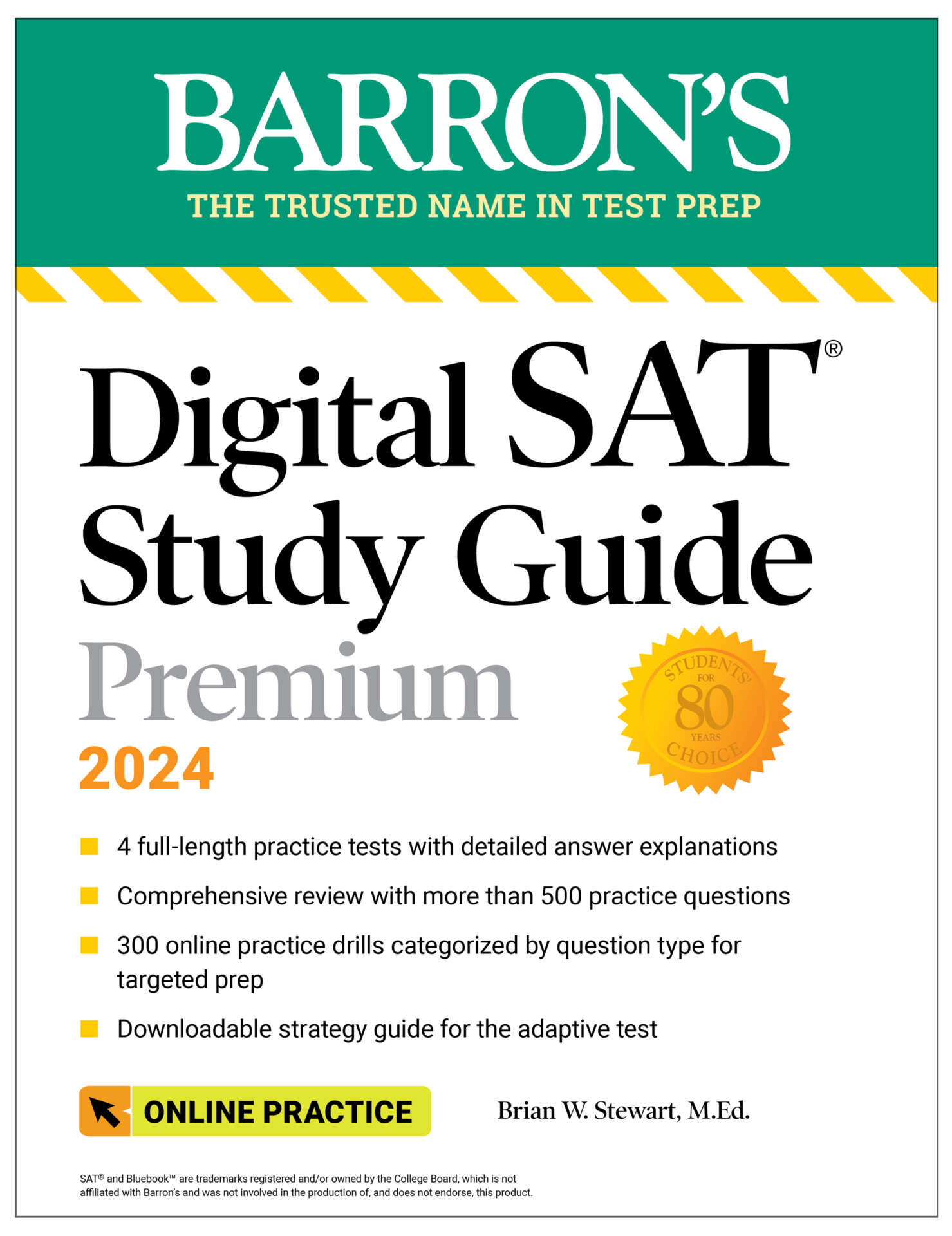
I’m excited to announced that on August 8, 2023 at 9:00 a.m. Eastern Daylight Time in the United States I plan to live broadcast here a deep dive conversation with test-preparation expert Brian W. Stewart, M.Ed., president of BWS Education, who is also the author of Barron’s Digital SAT Study Guide Premium 2024, which is now available. Stewart has over 30,000 hours of direct instructional experience with a wide variety of learners from all over the world. He is the author of several best-selling Barron’s books, and though we’ve already published valuable first impressions about the digital SAT, I’m eager learn from Stewart more about this new standardized testing experience and how it differs from the soon-to-be-retired paper SAT. I’ll also ask Stewart to share what he knows about plans for a future digital ACT and related topics and to give his views on the overall current admissions and standardized testing landscape – including the test-optional and test-free movement.
To view the entire conversation live or after it takes place, click the video below or view it on my YouTube channel.

—

In response to the College Board’s decision to make international SAT testing digital by 2023 and all SAT testing digital by 2024, Barron’s, which is a leading publisher of test-preparation materials, announced earlier this year that it would be publishing a premium study guide for the new exam on August 1 – and August 1 has arrived.

This means the book, entitled Barron’s Digital SAT Study Guide Premium 2024 (Barron’s Educational Series, August 1, 2023), is now available, and having reviewed an advanced copy, I recommend it highly.

“Barron’s has been helping students prepare for important tests for more than 80 years,” says Angela Tartaro, director, Barron’s Publishing. “We are confident that the SAT test change to a digital format is an improvement that will benefit test-takers. But here’s one constant in a time of change: When students know what to expect on test day and have the chance to prepare and practice, they have the opportunity to do their personal best. Barron’s has worked diligently to provide quality materials written by experts, and families know they can trust our decades-long track record of preparing students for challenging tests like the SAT. We take great pride in helping all students reach their full potential.”

For those who didn’t catch it when stated earlier in this article: the digital SAT is already in use internationally, and the College Board, publishers of the SAT, will transition American test takers to the digital SAT at the start of 2024. As a result, the time is now for American students in the high school classes of 2025 and younger to start seriously familiarizing themselves with the digital SAT. International students in the high school class of 2024 (rising or current 12th grade students) who still plan to sit for the SAT also need to get up to speed on the digital SAT as soon as possible if they haven’t already done so.

In addition to the expert overview of the changes to the SAT, the book also includes updated guidance on test scoring methods that align with the new digital format, as well as advice on college admissions requirements.

“Colleges and universities are always making adjustments to admissions requirements, so it’s vital for students and their parents to have the most accurate, expert, and up-to-date information,” says Stewart. “For instance, some schools employ super scoring that takes the best section score from each time a student takes the SAT. The book helps navigate subtleties like this to maximize student performance and success.”

Practice for the SAT has always been an important part of test prep, and this comprehensive edition — available in both print and ebook formats — continues this tradition. The book contains hundreds of practice questions, advanced drills for students aiming for scores between 1400 and 1600, detailed answer explanations for all practice tests and questions, and extensive vocabulary resources to prepare for words-in-context reading questions. The book also features four full-length practice tests, including one diagnostic test to assess skills and focus studying, and one print adaptive test designed like the digital SAT.

One of the most significant updates in this guide is the inclusion of valuable online resources. Each student who purchases the book will have access to 300 targeted practice drills with scoring and a downloadable strategy guide for taking the adaptive tests, which includes tips on using the tools in the digital interface, test-preparation calendars to organize study plans, ideas for dealing with test anxiety, and more.

Stewart is enthusiastic about the benefits of these new digital assets and the new SAT itself. “We live in a digital age and these changes to how the SAT is administered are what so many test prep experts have wanted for years. This book, with its best-in-class digital resources, will set students up for success on test day.”

Barron’s Digital SAT Study Guide Premium 2024 is available now. The current Barron’s SAT Study Guide Premium 2023 will remain on sale through the final U.S. administration of the paper and pencil version of the SAT in December 2023.

SAT® is a trademark registered and/or owned by the College Board, which was not involved in the production of, and does not endorse this product.

Johns Hopkins Introduces New Supplemental Essay Prompt for 2023-2024

Posted on August 1, 2023 by Craig Meister Leave a Comment

Johns Hopkins University in Baltimore, Maryland has released a new supplemental essay prompt for students applying during the 2023-2024 admissions cycle.

All first-year applicants to Johns Hopkins (JHU) will now have respond to a prompt that explicitly references race even after The Supreme Court of the United States ruled in June that colleges can no longer admit students on the on the basis of race.

2023-2024 JHU Supplemental Prompt

Tell us about an aspect of your identity (eg. race, gender, sexuality, religion, community, etc…) or a life experience that has shaped you as an individual and how that influenced what you’d like to pursue in college at Hopkins.  (This can be a future goal or experience that is either academic, extracurricular or social).  300 word limit (though currently the Common App provides 350 words for students to respond to this prompt).

—

Last year’s Johns Hopkins’ first-year applicant essay prompt read as follows:

Founded in the spirit of exploration and discovery, Johns Hopkins University encourages students to share their perspectives, develop their interests, and pursue new experiences. Use this space to share something you’d like the admissions committee to know about you (your interests, your background, your identity, or your community), and how it has shaped what you want to get out of your college experience at Hopkins. (300-400 words)

A new year, and new JHU! As most high school seniors applying to JHU do so through the Common Application, most JHU applicants will also need to respond – and respond well – to one of the Common App’s main essay prompts in order to be considered for admission at JHU.

Good luck to all those students applying to join Johns Hopkins’ Class of 2028. Start drafting!

WashU unveils new supplemental essay prompts for 2023-2024 admissions cycle

Posted on August 1, 2023 by Craig Meister Leave a Comment

Washington University in St. Louis (WashU) has released new supplemental essay prompt options for students applying during the 2023-2024 admissions cycle.
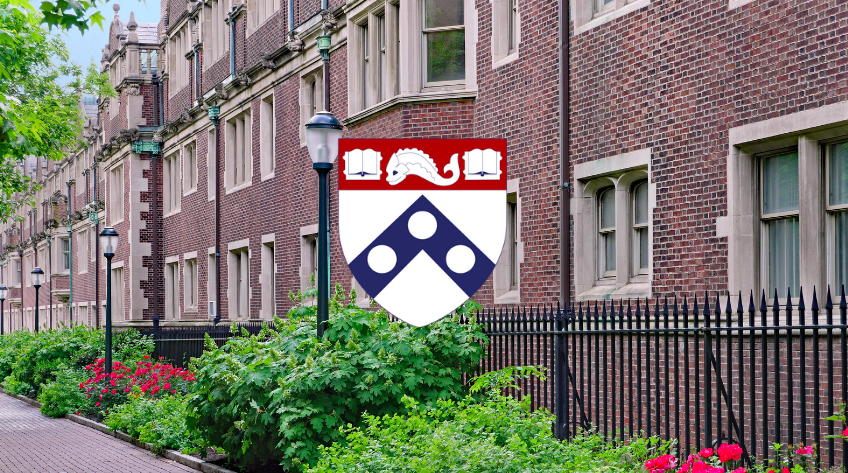
In addition being required to respond to the first prompt, which is a returns from last year, all first-year applicants to WashU will now have the opportunity to respond in 250 words or fewer to one of the additional three optional prompts.

2023-2024 WashU Supplemental Prompts

REQUIRED: 1. Please tell us what you are interested in studying at college and why. Undecided about your academic interest(s)? Don’t worry—tell us what excites you about the academic division you selected. Remember that all of our first-year students enter officially “undeclared” and work closely with their team of academic advisors to discover their academic passions. You can explore all of our majors and programs on our website. (200 words max)

OPTIONAL: 2. WashU is a place that values diversity of perspectives. We believe those perspectives come from a variety of experiences and identities. Respond to one of the following prompts to help us understand “Who are you?”: Optional (250 words max)

Option 1: Discuss a fresh perspective or opinion you brought to a collaborative setting or project.

Option 2: Describe a community you are a part of and your place within it.

Option 3: Tell us how your identity has impacted the way you view or interact with your community.

—

This is the first time that WashU has asked applicants about their identity in an essay prompt, which is ironic considering The Supreme Court of the United States ruled in June that colleges can no longer admit students on the on the basis of race.

WashU also gives students the chance to upload a short video on the WashU Pathway portal after they submit their application, and within its supplemental instructions WashU notes, “If you prefer, you may focus your optional 90-second video submitted through the WashU Pathway on addressing one of these three questions.” Students who choose to submit a written response to one of the optional prompts may still opt in to sharing an optional video.

As most high school seniors applying to WashU do so through the Common Application, most WashU applicants will also need to respond – and respond well – to one of the Common App’s main essay prompts in order to be considered for admission at WashU.

Good luck to all those students applying to join Washington University in St. Louis’ Class of 2028. Start drafting engines!

Penn unveils new supplemental essay prompts for 2023-2024 admissions cycle

Posted on July 31, 2023 by Craig Meister

University of Pennsylvania has released its 2023-2024 supplemental essay prompts for first-year applicants.
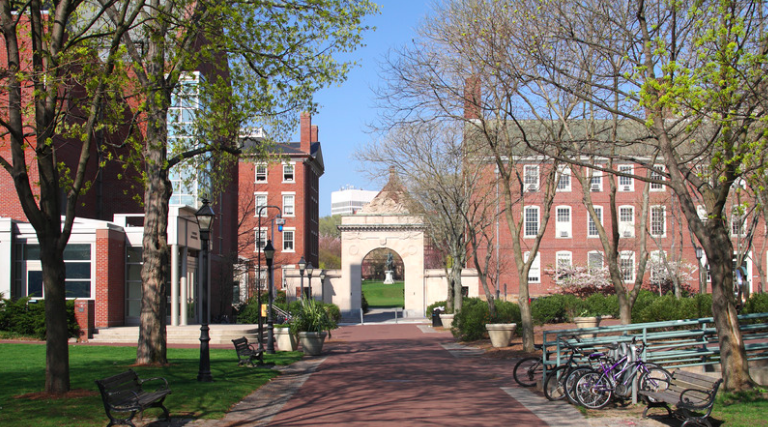
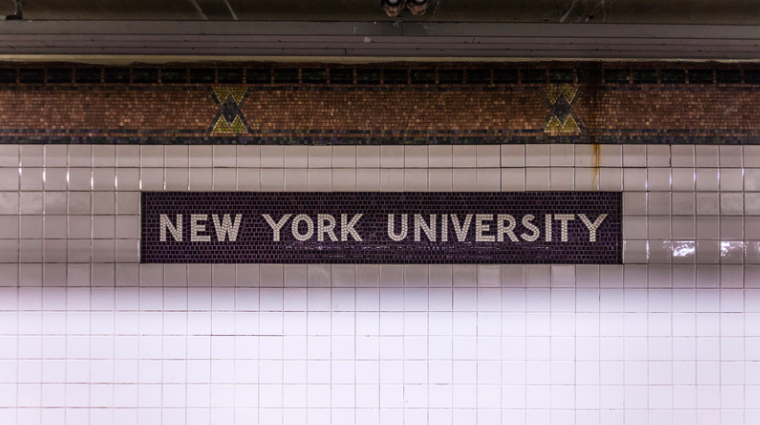
All first-year applicants to Penn will complete several Penn-specific short essays; yet, for the first time, the exact prompts students respond to will depend on the school within the university that they are applying to.

2023-2024 Penn Supplemental Prompts

Required of All Applicants:

1. Write a short thank-you note to someone you have not yet thanked and would like to acknowledge. (We encourage you to share this note with that person, if possible, and reflect on the experience!) (150-200 words)*

2. How will you explore community at Penn? Consider how Penn will help shape your perspective, and how your experiences and perspective will help shape Penn. (150-200 words)*

Required of College Applicants Only:

3. The flexible structure of The College of Arts and Sciences’ curriculum is designed to inspire exploration, foster connections, and help you create a path of study through general education courses and a major. What are you curious about and how would you take advantage of opportunities in the arts and sciences? To help inform your response, applicants are encouraged to learn more about academic offerings within the College of Arts and Sciences at college.upenn.edu/prospective. This information will help you develop a stronger understanding of how the study of the liberal arts aligns with your own goals and aspirations. (150-200 words)

Required of Engineering Applicants Only:

3. Penn Engineering prepares its students to become leaders in technology, by combining a strong foundation in the natural sciences and mathematics, exploration in the liberal arts, and depth of study in focused disciplinary majors. Please share how you hope to explore your engineering interests at Penn. To help inform your response, applicants are encouraged to learn more about Penn Engineering and its mission to prepare students for global leadership in technology here. This information will help you develop a stronger understanding of academic pathways within Penn Engineering and how they align with your goals and interests.(150-200 words)

Required of Nursing Applicants Only:

3. Penn Nursing intends to meet the health needs of society in a global and multicultural world by preparing its students to impact healthcare by advancing science and promoting equity. What do you think this means for the future of nursing, and how do you see yourself contributing to our mission of promoting equity in healthcare? To help inform your response, applicants are encouraged to learn more about Penn Nursing’s mission and how we promote equity in healthcare here.  This information will help you develop a stronger understanding of our values and how they align with your own goals and aspirations. (150-200 words)

Required of Wharton Applicants Only:

3. Wharton prepares its students to make an impact by applying business methods and economic theory to real-world problems, including economic, political, and social issues. Please reflect on a current issue of importance to you and share how you hope a Wharton education would help you to explore it. To help inform your response, applicants are encouraged to learn more about the foundations of a Wharton education here. This information will help you better understand what you could learn by studying at Wharton and what you could do afterward. (150-200 words) 

—

Penn also has additional essay requirements for first-year applicants applying to its highly selective special programs, which include DMD: Digital Media Design Program, DMD: Digital Media Design Program, Huntsman: The Huntsman Program in International Studies and Business, LSM: The Roy and Diana Vagelos Program in Life Sciences and Management, M&T: The Jerome Fisher Program in Management and Technology, NETS: The Rajendra and Neera Singh Program in Networked and Social Systems Engineering, NHCM: Nursing and Healthcare Management, Seven-Year Bio-Dental Program, and VIPER: The Roy and Diana Vagelos Integrated Program in Energy Research. 

As most high school seniors applying to Penn do so through the Common Application, most Penn applicants will also need to respond – and respond well – to one of the Common App’s main essay prompts in order to be considered for admission at Penn.

Good luck to all those students applying to join Penn’s Class of 2028. Start drafting!

Meanwhile, the 2023-2024 supplemental essay prompts for students applying to be first-year students at fellow Ivy League institutions Brown, Columbia, Cornell, Dartmouth, Harvard, and Yale have now also been released. Only Princeton has yet to release its supplemental essay prompts for the 2023-2024 admissions cycle.

Brown University 2023-2024 Supplemental Essays: A Real Bear

Posted on July 31, 2023 by admissions.blog 1 Comment

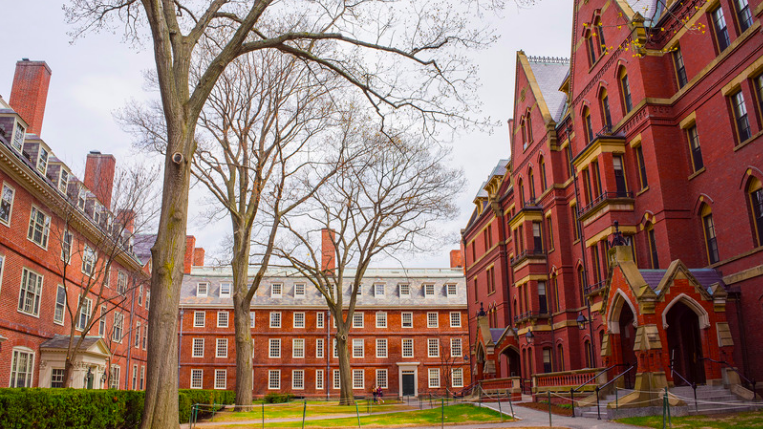
Brown University in Providence, Rhode Island.

Brown University’s 2023-2024 supplemental short essay prompts for first-year applicants have now been made public as a result of the Common Application’s launch for the 2023-2024 admissions cycle.

All first-year applicants to Brown will write responses to the following seven Brown-specific prompts. With these responses, applicants now have up to 1,003 additional words to further differentiate their applications for first-year admission. This compares to only three required supplemental essay prompts seeking up to 750 words from applicants on last year’s Brown supplement to its first year application. This makes the 2023-2024 Brown supplement a real bear (Brown’s mascot is Bruno the Bear, a brown bear). We kid – have a sense of humor!

2023-2024 Brown Supplemental Essay Prompts

1. Brown’s Open Curriculum allows students to explore broadly while also diving deeply into their academic pursuits. Tell us about any academic interests that excite you, and how you might pursue them at Brown. (200-250 words)

2. Students entering Brown often find that making their home on College Hill naturally invites reflection on where they came from. Share how an aspect of your growing up has inspired or challenged you, and what unique contributions this might allow you to make to the Brown community. (200-250 words)

3. Brown students care deeply about their work and the world around them. Students find contentment, satisfaction, and meaning in daily interactions and major discoveries. Whether big or small, mundane or spectacular, tell us about something that brings you joy. (200-250 words)

4. What three words best describe you? (3 words)

5. What is your most meaningful extracurricular commitment, and what would you like us to know about it? (100 words)*

6. If you could teach a class on any one thing, whether academic or otherwise, what would it be? (100 words)*

7. In one sentence, Why Brown? (50 words)*

—

As most high school seniors applying to Brown do so through the Common Application, most Brown applicants will also need to respond – and respond well – to one of the Common App’s main essay prompts in order to be considered for admission at Brown.

Good luck to all those students applying to join Brown’s Class of 2028.

Meanwhile, the 2023-2024 supplemental essay prompts for students applying to be first-year students at fellow Ivy League institutions Columbia, Cornell, Dartmouth, Harvard, Penn, and Yale have now also been released. Only Princeton has yet to release its supplemental essay prompts for the 2023-2024 admissions cycle.

Harvard 2023-2024 supplemental short essay prompts revealed

Posted on July 31, 2023 by Craig Meister 1 Comment

Harvard University’s 2023-2024 supplemental short essay prompts for first-year applicants have now been revealed with the launch of the 2023-2024 Common Application. This news comes in the wake of Harvard’s past use of affirmative action being ruled unlawful by The Supreme Court of the United States earlier this summer.

Unlike last year, when Harvard allowed applicants to upload an essay on any topic of their choice to its supplement to the Common App or Coalition application, this year, Harvard is now requiring first-year applicants to respond to five supplemental short answer prompts in up to 200 words each. This is up to 1,000 additional words of supplemental writing applicants can use to further differentiate their applications for first-year admission.

While four of the five new prompts are relatively direct and innocuous, the first of the five new prompts, though not referring specifically to the affirmative action case Harvard just lost at The Supreme Court, does take advantage of the following paragraph of Chief Justice John Roberts’ majority opinion in the case:

“At the same time, as all parties agree, nothing in this opinion should be construed as prohibiting universities from considering an applicant’s discussion of how race affected his or her life, be it through discrimination, inspiration, or otherwise. See, e.g., 4 App. in No. 21–707, at 1725–1726, 1741; Tr. of Oral Arg. in No. 20–1199, at 10. But, despite the dissent’s assertion to the contrary, universities may not simply establish through application essays or other means the regime we hold unlawful today. (A dissenting opinion is generally not the best source of legal advice on how to comply with the majority opinion.) “[W]hat cannot be done directly cannot be done indirectly. The Constitution deals with substance, not shadows,” and the prohibition against racial discrimination is “levelled at the thing, not the name.” Cummings v. Missouri, 4 Wall. 277, 325 (1867). A benefit to a student who overcame racial discrimination, for example, must be tied to that student’s courage and determination. Or a benefit to a student whose heritage or culture motivated him or her to assume a leadership role or attain a particular goal must be tied to that student’s unique ability to contribute to the university. In other words, the student must be treated based on his or her experiences as an individual—not on the basis of race. Many universities have for too long done just the opposite. And in doing so, they have concluded, wrongly, that the touchstone of an individual’s identity is not challenges bested, skills built, or lessons learned but the color of their skin. Our constitutional history does not tolerate that choice.”

2023-2024 Harvard University Supplemental Essay Prompts

1. Harvard has long recognized the importance of enrolling a diverse student body. How will the life experiences that shape who you are today enable you to contribute to Harvard? (200 words)

2. Briefly describe an intellectual experience that was important to you. (200 words)

3. Briefly describe any of your extracurricular activities, employment experience, travel, or family responsibilities that have shaped who you are. (200 words)

4. How do you hope to use your Harvard education in the future? (200 words)

5. Top 3 things your roommates might like to know about you. (200 words)

—

As most high school seniors applying to Harvard do so through the Common Application, most Harvard applicants will also need to respond – and respond well – to one of the Common App’s main essay prompts in order to be considered for admission at Harvard. Good luck to all those students applying to join Harvard’s Class of 2028.

Meanwhile, the 2023-2024 supplemental essay prompts for students applying to be first-year students at fellow Ivy League institutions Brown, Columbia, Cornell, Dartmouth, Penn, and Yale have now also been released. Only Princeton has yet to release its supplemental essay prompts for the 2023-2024 admissions cycle.

NYU has all new supplemental essay prompt options for 2023-2024

Posted on July 31, 2023 by Craig Meister Leave a Comment

New York University has all new supplemental essay prompt options for first-year applicants to choose from as they decide whether or not to submit an optional 250-word essay as part of their Common Application when applying to the private university, which now has comprehensive campuses in New York, Abu Dhabi, and Shanghai.

2023-2024 NYU Supplemental Essay Prompts

We are looking for peacemakers, changemakers, global citizens, boundary breakers, creatives and innovators – Choose one quote from the following and let us know why it inspires you; or share a short quote and person not on our list who inspires you, and include why. (250 words maximum)

  • “We’re used to people telling us there are no solutions, and then creating our own. So we did what we do best. We reached out to each other, and to our allies, and we mobilized across communities to make change, to benefit and include everyone in society.” Judith Heuman, 2022 NYU Commencement Address
  • “I encourage your discomfort, that you must contribute, that you must make your voice heard. That is the essence of good citizenship.” Sherilynn Ifill, 2015 NYU Commencement Address
  • “If you know how to fly but you never knew how to walk, wouldn’t that be sad?” Lang Lang, 2015 NYU Honorary Degree Recipient
  • “You have the right to want things and to want things to change.” Sanna Marin, Former Prime Minister of Finland, 2023 NYU Commencement Address
  • “It’s hard to fight when the fight ain’t fair.” Taylor Swift, Change, Released 2008, 2022 NYU Commencement Speaker
  • Share a short quote and person not on this list, and why the quote inspires you.
  • Not answering this optional question.

—

While having a variety of prompts from which to choose in order to write NYU’s optional 250-word short essay is new, last year’s prompt, like this year’s prompt-quotes, also demonstrated the institution’s emphasis on promoting social change:

NYU 2022-2023 Optional Short Essay Prompt (No Longer in Use)

NYU was founded on the belief that a student’s identity should not dictate the ability for them to access higher education. That sense of opportunity for all students, of all backgrounds, remains a part of who we are today and a critical part of what makes us a world class university. Our community embraces diversity, in all its forms, as a cornerstone of the NYU experience. We would like to better understand how your experiences would help us to shape and grow our diverse community. Please respond in 250 words or less.

Though NYU does allow applicants to submit their applications without completing the optional 250-word short essay, the relative freedom the prompts give applicants should provide enough motivation for any applicant who really wants to differentiate himself or herself for the NYU admissions committee.

High school seniors applying to NYU do so through the Common Application; therefore, NYU applicants will also need to respond – and respond well – to one of the Common App’s main essay prompts in order to be considered for admission at NYU.

NYU also requires each first-year applicant to complete and submit a time-consuming Self Reported Academic Record (SRAR) after submitting his or her Common Application. A first-year applicant is only able to access the SRAR through his or her NYU Applicant Portal, which the student will gain access to after applying to NYU on the Common App. Once the SRAR is submitted, it will take up to forty-eight hours for the SRAR to show as received in an applicant’s Applicant Portal. With that in mind, applicants will have a few days after their decision deadline to submit their SRAR to NYU; yet, around NYU’s application deadline periods, it can take longer than forty-eight hours for SRARs to show as received.

Good luck to all high school seniors about to embark on the application process to become a member of NYU’s Class of 2028.


Stanford University 2023-2024 Supplemental Essay Prompts Released

Posted on July 31, 2023 by Craig Meister Leave a Comment

Stanford University has released its 2023-2024 supplemental short essay prompts for first-year applicants.
All first-year applicants to Stanford will complete three Stanford-specific short essays, one of which is in response to a prompt that makes its debut this year.

2023-2024 Stanford Supplemental Essay Prompts

There is a 100-word minimum and a 250-word maximum for each essay.

  1. The Stanford community is deeply curious and driven to learn in and out of the classroom. Reflect on an idea or experience that makes you genuinely excited about learning.
  2. Virtually all of Stanford’s undergraduates live on campus. Write a note to your future roommate that reveals something about you or that will help your roommate—and us—get to know you better.
  3. Please describe what aspects of your life experiences, interests and character would help you make a distinctive contribution as an undergraduate to Stanford University. *New this year

Stanford also requires applicants to complete several short answer responses (50 words maximum). The prompts for those are as follows:

What is the most significant challenge that society faces today?

How did you spend your last two summers?

What historical moment or event do you wish you could have witnessed?

Briefly elaborate on one of your extracurricular activities, a job you hold, or responsibilities you have for your family.

List five things that are important to you.

—

A prompt that Stanford retired from last year’s supplement is: “Tell us about something that is meaningful to you and why.

That prompt was replaced by: “Please describe what aspects of your life experiences, interests and character would help you make a distinctive contribution as an undergraduate to Stanford University.”

The Supreme Court of the United States ruled in June 2023 that colleges can no longer admit students on the on the basis of race. As a result, many selective colleges like Stanford are attempting during the 2023-2024 admissions cycle to balance building racially diverse first-year classes on the one hand with not being able to admit students on the basis of race on the other hand.

Stanford is attempting to thread a very narrow needle with its new essay prompt; its admissions leadership is trying to inspire Stanford’s diverse applicants to write about their diverse experiences inclusive of how race may have shaped their perspectives, character, and overall value systems. By doing so, Stanford admissions leadership hopes to curate what it deems to be a sufficiently diverse first-year class based on diverse perspectives, experiences, and dispositions rather than by allowing an applicant’s skin color alone to play any role in any admissions decision. In short, Stanford must adhere to The Supreme Court of the United States’ ruling, written by Chief Justice John Roberts, that included this critical paragraph:

“At the same time, as all parties agree, nothing in this opinion should be construed as prohibiting universities from considering an applicant’s discussion of how race affected his or her life, be it through discrimination, inspiration, or otherwise. See, e.g., 4 App. in No. 21–707, at 1725–1726, 1741; Tr. of Oral Arg. in No. 20–1199, at 10. But, despite the dissent’s assertion to the contrary, universities may not simply establish through application essays or other means the regime we hold unlawful today. (A dissenting opinion is generally not the best source of legal advice on how to comply with the majority opinion.) “[W]hat cannot be done directly cannot be done indirectly. The Constitution deals with substance, not shadows,” and the prohibition against racial discrimination is “levelled at the thing, not the name.” Cummings v. Missouri, 4 Wall. 277, 325 (1867). A benefit to a student who overcame racial discrimination, for example, must be tied to that student’s courage and determination. Or a benefit to a student whose heritage or culture motivated him or her to assume a leadership role or attain a particular goal must be tied to that student’s unique ability to contribute to the university. In other words, the student must be treated based on his or her experiences as an individual—not on the basis of race. Many universities have for too long done just the opposite. And in doing so, they have concluded, wrongly, that the touchstone of an individual’s identity is not challenges bested, skills built, or lessons learned but the color of their skin. Our constitutional history does not tolerate that choice.”

  • « Previous Page
  • 1
  • …
  • 11
  • 12
  • 13
  • 14
  • 15
  • …
  • 47
  • Next Page »

Subscribe to our mailing list

Trending Posts

Make the most of a college visit this spring

USC Expands Early Decision, Eliminates Common App Courses & Grades Section for First-Year Applicants

Comparing Undergraduate Life at University of Oklahoma and Oklahoma State University

5 American Colleges with the Most Grueling Standardized Testing Requirements for First-Year Applicants

ACT Mastery Begins with a Schedule: The Importance of Structured Studying

Most Overrated Private University and Public University in America

University of Maryland’s 650-character leap into lawlessness or a legal loophole?

ACT making Science section optional in 2025

New Dartmouth Essay Prompts Feature Football and Wild Chimpanzees

Which California public universities receive the most applications?

The 5 Most Ridiculously Underrated Colleges in America

8 Ways to Reduce the Cost of College

This is what Affirmative Action and Test-Optional looks like at University of Wisconsin-Madison

New Early Action Admissions Options Popping Up Across America

The top 23 songs to listen to while completing your college applications in 2023 are…

Rice University adds new 500-word required essay to its application

How to get into the Ivy League – Ethically

How to Deal with Anxiety During College Admissions (Especially Now)

USC receives 42,000 Early Action applications, will introduce Early Decision

Top 20 Undergraduate Business Programs at Mid-Sized Colleges in the U.S. South

Rolling Admission vs. Regular Decision

Top 5 Ways Applying to US Colleges is Different than Applying to UK Universities

Making the most of the summer before senior year

12 Reasons Scattergrams Lull Students Into a False Sense of Security

UNC and a tale of one – make that four – acceptance rates

Wesleyan University Ends Legacy Preferences in Admissions

You CAN apply Restrictive Early Action and Early Action under the right conditions

30 Summer STEM Camps for High School Freshmen

The Perfect Gifts to Celebrate Getting Into College

Search Posts By Topic

  • 3 Year Degree (3)
  • Accommodations (3)
  • Admissions Policies (132)
  • Admissions Statistics (90)
  • Advice & Analysis (467)
  • Alabama (2)
  • Amherst (2)
  • AP (6)
  • Applications (93)
  • Applying from India (1)
  • Arizona (4)
  • Arts (1)
  • ASU (1)
  • Austin College (1)
  • Babson (1)
  • Baylor (1)
  • Berry College (1)
  • Boston College (2)
  • Boston University (6)
  • Bowdoin (2)
  • Brown (6)
  • Bryn Mawr (1)
  • Business (2)
  • BYU (1)
  • Caltech (6)
  • Canada (2)
  • Career and Technical Education (33)
  • Case Western (4)
  • China (1)
  • CMC (1)
  • Coalition (13)
  • Colby (3)
  • College Costs (1)
  • College Counselor (18)
  • College Fairs (5)
  • College Life (38)
  • College List (39)
  • College List Deathmatch (5)
  • College Visit (25)
  • Colorado College (1)
  • Colorado School of Mines (1)
  • Columbia (7)
  • Common App (42)
  • Community Colleges (4)
  • Cornell (5)
  • Counseling (3)
  • COVID-19 (8)
  • CSS PROFILE (3)
  • CSU (1)
  • CSULB (1)
  • CU Boulder (2)
  • Cybersecurity (1)
  • Dartmouth (7)
  • Davidson (1)
  • Demonstrated Interest (17)
  • DePaul (1)
  • Dickinson (1)
  • Direct Admissions (1)
  • Duke (3)
  • Early Action (44)
  • Early Childhood Education (1)
  • Early Decision (46)
  • Education (6)
  • Educational Consulting (1)
  • Elon (2)
  • Emergency Management (1)
  • Emory (1)
  • Engineering (3)
  • Enrichment (18)
  • Entrepreneurship (2)
  • Environmental Science (2)
  • Essays (58)
  • Europe (7)
  • Exercise Science (1)
  • Exeter (1)
  • Experiential Learning (1)
  • Extracurricular Activities (37)
  • FAFSA (6)
  • Feature (2)
  • Financial Aid (31)
  • First Person (13)
  • Fly-In (1)
  • France (1)
  • FSU (1)
  • Gap Programs (2)
  • GED (1)
  • Georgetown (5)
  • Germany (2)
  • Gifts (3)
  • Gonzaga (1)
  • GPA (7)
  • Graduate School (11)
  • Hamilton (1)
  • Harvard (7)
  • Healthcare (3)
  • High School (25)
  • Higher National Diplomas (1)
  • HiSET (1)
  • IB (4)
  • IEC (1)
  • IELTS (1)
  • Indiana (3)
  • Industrial Hygiene (1)
  • International (9)
  • Internships (8)
  • Interviews (10)
  • Iowa (2)
  • Italy (2)
  • Ivy League (20)
  • JHU (3)
  • Journalism (2)
  • Kettering University (1)
  • Lafayette (1)
  • Law (4)
  • LD (1)
  • Lists & Rankings (8)
  • Loans (1)
  • Majors (17)
  • Marketing (1)
  • Math (1)
  • Medicine (1)
  • Mental Health (3)
  • Middlebury (1)
  • MIT (7)
  • Montana State University (1)
  • Moving (1)
  • Naviance (2)
  • NCAA (3)
  • New Mexico State University (1)
  • News (127)
  • Northwestern (5)
  • Notification News (4)
  • Notre Dame (3)
  • Nursing (13)
  • NYU (3)
  • Of Note (17)
  • Ohio State (2)
  • Oklahoma (1)
  • Online Learning (15)
  • Open Admission (2)
  • Parents (7)
  • Penn (8)
  • Pharmacy (1)
  • Pitt (2)
  • Popular Posts (10)
  • Princeton (5)
  • Priority (2)
  • Professor of the Month (1)
  • PSU (3)
  • Psychology (3)
  • Public Universities (8)
  • Purdue (3)
  • Rankings (11)
  • Reader Questions (11)
  • Recommendations (10)
  • Regular (26)
  • Research (4)
  • Resume (20)
  • Rice (4)
  • Robotics (1)
  • Rochester (1)
  • ROI (4)
  • Rolling (5)
  • Rose-Hulman Institute of Technology (1)
  • Santa Clara University (2)
  • Scholarships (2)
  • SEL (1)
  • Sewanee (1)
  • Skiing & Snowboarding (1)
  • SMU (1)
  • Social Work (7)
  • Soft Skills (1)
  • South America (2)
  • Southwestern (TX) (1)
  • Spotlight Series (1)
  • SRAR/SSAR (1)
  • St. Edward's University (1)
  • St. John's College (1)
  • Standardized Tests (44)
  • Stanford (4)
  • STEM (2)
  • Stevens Institute of Technology (1)
  • Student Trips (1)
  • Summer (24)
  • Swarthmore (1)
  • Syracuse (1)
  • TASC (1)
  • Teacher Recommendations (8)
  • Temple (1)
  • Texas (4)
  • Texas A&M (1)
  • Ticker (26)
  • Trending Posts (46)
  • Trinity University (TX) (1)
  • Tufts (5)
  • Tuition (3)
  • Tulane (8)
  • UBC (1)
  • UC Berkeley (8)
  • UC Davis (2)
  • UC Santa Barbara (2)
  • UCAS (5)
  • UCF (1)
  • UCI (1)
  • UCLA (8)
  • UCSD (1)
  • UDub (1)
  • UF (4)
  • UGA (3)
  • UIUC (3)
  • UMass (3)
  • UMD (5)
  • UNC (2)
  • United Kingdom (8)
  • Universal College Application (1)
  • University of Chicago (3)
  • University of Dallas (1)
  • University of New Mexico (1)
  • University of Rochester (1)
  • University of Vermont (1)
  • USC (5)
  • USNA (1)
  • UT Austin (4)
  • Utah (2)
  • UVA (7)
  • Vanderbilt (2)
  • Video Game Design (1)
  • Villanova (3)
  • Virtual Information Session (1)
  • Virtual Visit (2)
  • Wake Forest (1)
  • Wash U (7)
  • Wesleyan (2)
  • Williams (3)
  • Wisconsin (3)
  • Work Study (1)
  • Yale (14)
  • ZeeMee (1)

News Tips | Write for Us | Sponsored Posts
All content © 2025 | Admissions.Blog
Terms of Service | +1 410-526-2558

Copyright © 2026 · Metro Pro Theme on Genesis Framework · WordPress · Log in