Admissions Blog

Undergraduate Admissions Uncensored

  • admissions.blog

What Should You Know Before Applying to an Online Nursing School?

Posted on August 12, 2024 by Anthony

Thinking about becoming a nurse and considering online school? Great, but that’s only the first step. Online nursing programs offer flexibility and convenience; yet, there’s more that you need to know before diving into online nursing school. Are you prepared for the challenges and rewards? Let’s explore key factors to consider when choosing an online nursing program, what to expect as a student, and how to set yourself up for success.

Understanding the Structure of Online Nursing Programs

Online nursing programs differ from traditional on-campus programs in several ways. The most notable difference is the format in which the coursework is delivered. In an online program, the majority of your studies will take place through a virtual platform. This means that lectures, assignments, and discussions are conducted online, allowing you to study from anywhere with an internet connection. However, this also means that you will need to be disciplined in managing your time and staying on top of your coursework.

The Benefits of Online BSN Programs

One popular option among students is online BSN programs. These programs are designed for individuals who already hold a bachelor’s degree in another field and want to transition into nursing quickly. Online accelerated BSN programs, in particular, allow students to complete their nursing education in a shorter timeframe than traditional programs, making them an attractive option for career changers or those looking to enter the workforce quickly.

The primary benefit of an online accelerated BSN program is the speed at which you can earn your nursing degree. Traditional BSN programs typically take four years to complete, but an accelerated program can be finished in as little as 12 to 18 months, depending on the program and your prior coursework. This allows you to start your nursing career much sooner.

Another advantage of these online programs is the flexibility they offer. Since the coursework is completed online, you can study from home and at times that fit your schedule. This makes it easier to balance your studies with other responsibilities, such as work or family obligations. However, it’s important to note that these programs are intensive and require a significant time commitment, even if they offer flexibility in when and where you study.

Accreditation and Its Importance

When exploring online nursing schools, it’s vital to verify the accreditation of the program. Accreditation serves as a validation that the educational offering adheres to the specific standards valued by the nursing profession. To become licensed and eligible for job opportunities, graduating from an accredited program is typically necessary.

Accreditation acts as an endorsement of quality, indicating that an accrediting agency has reviewed the program and confirmed it meets the criteria essential for equipping students for the nursing field. In the United States, the Commission on Collegiate Nursing Education (CCNE) and the Accreditation Commission for Education in Nursing (ACEN) are the primary bodies that accredit nursing programs. Choosing a program accredited by these organizations ensures that the education provided will be acknowledged by state nursing boards and future employers.

Evaluating Program Costs and Financial Aid

The cost of nursing education can vary widely depending on the program and school you choose. It’s important to consider the total cost of the program, including tuition, fees, and additional expenses such as books, supplies, and any required technology. Understanding the full financial commitment is crucial before making a decision.

In addition to assessing the cost, you should explore financial aid options that may be available to you. Many online nursing programs offer financial aid, scholarships, grants, and payment plans to help make education more affordable. Some employers also offer tuition reimbursement programs for employees pursuing degrees in nursing. Investigating these options can help reduce the financial burden and make it easier to manage the cost of your education.

It’s also wise to compare the costs of different programs to make sure that you are getting the best value for your investment. While it might be tempting to choose the least expensive option, it’s important to balance cost with quality and the overall reputation of the program.

Technology Requirements and Support

Online nursing programs rely heavily on technology for course delivery, assignments, and communication. Before applying, see that you have access to the necessary technology, including a reliable computer and internet connection. The ability to navigate online platforms, participate in virtual classrooms, and complete assignments digitally is essential for success in an online program.

In addition, it’s important to understand the level of technical support available to students. Technical issues can arise at any time, and having access to reliable support can make a big difference in your ability to stay on track with your studies. Check whether the program offers 24/7 tech support or if there are specific hours when assistance is available. Knowing that you have help available when you need it can provide peace of mind as you navigate your online education.

Time Management and Study Habits

Success in an online nursing program requires strong time management skills and effective study habits. Unlike traditional programs where you have set class times, online programs often allow you to work at your own pace, which can be both a benefit and a challenge. To succeed, you must be able to organize your time effectively, set goals, and stay disciplined in your studies.

Developing a study schedule that works for you is key. This might involve setting aside specific hours each day for coursework, breaking larger assignments into manageable tasks, and regularly reviewing course material to stay up to date. It’s also important to create a dedicated study space that is free from distractions, where you can focus on your work.

Good study habits, such as taking notes, participating in online discussions, and seeking help when needed, will also contribute to your success. By staying organized and committed to your studies, you can make the most of the flexibility offered by online programs while still meeting your academic goals.

Balancing Work, Life, and School

Many students who enroll in online nursing programs are balancing work, family, and other commitments. It’s important to assess your current responsibilities and determine how an online program will fit into your life. Understanding the demands of the program and planning accordingly can help you succeed without becoming overwhelmed.

One of the advantages of online programs is the ability to study around your schedule, but this requires careful planning. Consider how much time you can realistically dedicate to your studies each week, and make adjustments to your work or personal life as needed. Communicate with your employer, family, and friends about your educational goals so they can support you during this time.

All in all, while online learning offers great convenience, it’s important to understand that nursing is a hands-on profession. Be sure the program you choose provides enough practical experience. Also, consider your learning style. Some people thrive in an online environment, while others might need more face-to-face interaction. By carefully weighing these factors, you can make an informed decision that sets you up for success.

Fast-Track Your Career Transition: How Online Accelerated Programs Can Help

Posted on April 12, 2024 by Austin Gurney

Career transitions have become increasingly common as professionals seek to adapt to changing industries, pursue new passions, or enhance their skill sets. Yet, a successful career transition can be challenging and require time, dedication, and often additional education or training.

Fortunately, online accelerated programs offer a convenient and efficient way to fast-track your career transition. Almost 53% of all post-secondary degree seekers took online classes in 2021 according to Forbes. Among these, 26% studied exclusively online in the US.

In this article, we will explore how online accelerated programs can propel your career forward.

Understanding Career Transitions

Career transitions can take many forms, from switching industries entirely to climbing the corporate ladder within your current field. Whatever the case, these transitions often require acquiring new knowledge, skills, and qualifications. This can be daunting, especially for those with busy schedules or financial constraints.

People usually transition to follow their passion or because they don’t like their current work. A study published by CNBC shows that at least 61% of adult workers in the 18-29 age group shifted their sector.

Traditional education pathways, such as full-time degree programs, may not be feasible for individuals looking to transition quickly. This is where online accelerated programs come into play, offering flexible options tailored to the needs of working professionals.

The Rise of Online Accelerated Programs

The advent of online education has revolutionized the way people learn and acquire new skills. Accelerated online programs often further condense course material into shorter time frames without compromising quality. Such programs leverage technology to deliver interactive learning experiences accessible anytime, anywhere.

One key advantage of online accelerated programs is flexibility. Unlike traditional classroom-based education, online programs allow students to learn independently and around their existing commitments. This makes them particularly attractive to working professionals seeking to upskill or pivot their careers while continuing to work.

Consider the example of the Accelerated Bachelor of Science in Nursing (ABSN). The World Bank Group has shared that there is high demand for nurses. In fact, there is an estimated shortage of around 13 million nurses worldwide, which means that online study options related to nursing offer an excellent transition opportunity for those who are aspiring to become nurses.

With numerous online accelerated BSN programs, professionals can seamlessly transition from their current field to nursing. This creates a win-win situation: candidates can transition to do what they want to do, and the world will have more nurses.

Moreover, there will be a high supply of nurses as these programs are completed quickly. According to Online ABSN Programs, these courses are a faster and more accessible way for graduates to become licensed nurses. Those with bachelor’s degrees can enroll in these programs and change their careers.

Advantages of Online Accelerated Programs

Online accelerated programs offer several advantages for individuals seeking to further their education while balancing other responsibilities, such as work or family. Here are some of the key benefits:

Speed

The primary benefit of accelerated programs is their ability to fast-track your career transition. By condensing the curriculum into shorter timeframes, these programs enable you to acquire new skills and credentials quickly.

As a Research.com article mentions, online accelerated programs are shorter in duration. They can be completed in 18 months to three years. This means you can enter the job market sooner or progress more rapidly in your chosen field.

Flexibility

Online accelerated programs offer unmatched flexibility, allowing you to balance your studies with work, family, and other commitments. Whether you’re a full-time professional or a parent with limited free time, you can access course materials, lectures, and assignments at your convenience. This flexibility eliminates the need to put your life on hold while pursuing further education.

Cost-Effectiveness

Traditional degree programs often come with hefty tuition fees, not to mention additional expenses such as accommodation and commuting. In contrast, online accelerated programs are more cost-effective, with lower tuition fees and fewer associated expenses.

According to OnlineU, accelerated bachelor’s degree courses cost around $300 to $600 per credit hour. This makes them attractive for those looking to advance their careers without breaking the bank.

Choosing the Right Program

Choosing the right online accelerated program can be a significant decision that requires careful consideration. One of the first steps in this process is identifying your goals and what you hope to achieve through the program. Whether you want to advance in your current career, switch fields, or gain new skills, understanding your objectives will help you narrow your options.

Researching the reputation and accreditation of the program is crucial. Accreditation ensures that the program meets certain quality standards and that employers and other institutions will recognize your degree or certificate. Look for programs accredited by recognized accrediting bodies in your country or region.

Consider the format and structure of the program. Online accelerated programs often offer flexibility in terms of scheduling, allowing you to balance your studies with other commitments. However, ensuring that the program’s format aligns with your learning style and preferences is essential. Some programs may require more independent study, while others may include live lectures or group discussions.

Take into account the curriculum and course offerings. Ensure the program covers the topics and skills you’re interested in and that experienced faculty members teach the courses. You may also want to look for programs offering hands-on learning opportunities or real-world experience, such as internships or capstone projects.

Consider the support services available to online students. This includes academic advising, technical support, library resources, and career services. Access to these resources can significantly impact your program’s success and overall learning experience.

Evaluate the program’s cost, including tuition, fees, and additional expenses such as textbooks or software. While online accelerated programs can be a cost-effective option compared to traditional on-campus programs, it’s essential to consider the return on investment. Also, see if the program’s cost aligns with your budget and financial goals.

Lastly, take the time to read reviews and testimonials from current and former students. Their experiences can provide valuable insights into the program’s strengths and weaknesses and help you make an informed decision. Additionally, consider contacting program alumni or faculty members with questions or concerns before enrolling.

Frequently Asked Questions

Is an Accelerated Program Worth It?

Accelerated programs can be worth it for individuals looking to expedite their career transitions or educational pursuits. These programs offer the opportunity to complete coursework in a shorter timeframe, allowing individuals to enter the workforce or advance more quickly. However, the worth of an accelerated program depends on various factors, such as the individual’s goals, time availability, and the program’s reputation.

What Is a Fast Track Course?

A fast-track course is an educational program designed to expedite learning by condensing the curriculum into a shorter duration than traditional programs. These courses often feature intensive study schedules and streamlined coursework and may include online or hybrid learning formats. Fast-track courses are particularly beneficial for individuals seeking to acquire new skills or qualifications in a shorter timeframe.

What Is the Fastest Degree to Get Online?

The fastest degree to get online varies depending on the individual’s prior education, experience, and chosen field of study. However, some of the fastest online degrees typically include certificates or associate degrees in information technology, healthcare, business administration, etc. These programs often have streamlined curricula and flexible scheduling options, allowing students to complete their degrees more quickly than traditional on-campus programs.

In conclusion, online accelerated programs offer a convenient and efficient way to fast-track your career transition. With speed, flexibility, and cost-effectiveness, these programs empower working professionals to acquire new skills and qualifications. Whether you’re looking to switch industries or pursue a passion project, online accelerated programs provide the tools and resources you need to succeed.

Transitioning to Nursing: 5 Tips for Graduates in Different Fields

Posted on April 9, 2024 by Anthony

Career changes are increasingly common these days. In fact, many individuals find themselves considering a switch to the nursing profession after graduating from a different field. 

According to the American Nurses Association, there are numerous advantages to embarking on a second career in nursing. Most individuals opt for nursing as a second profession due to the personal satisfaction derived from assisting others and creating an impact.

Besides, the US BLS reports that the demand for registered nurses is expected to increase by six percent from 2022 to 2032. This demand rate’s growth surpasses the average growth rate for all occupations. Whether motivated by a desire for greater fulfillment, job stability, or a passion for healthcare, transitioning to nursing can be a rewarding journey. However, it also presents its own set of challenges. 

From acquiring new skills to adapting to a different work environment, making the switch requires careful planning and preparation. Here are a few tips to help facilitate a smooth transition into nursing.

#1 Assess Your Motivation and Commitment

Nursing requires a high level of dedication, compassion, and resilience. Take the time to reflect on your reasons for wanting to become a nurse. Evaluate whether you possess the necessary qualities to succeed in this demanding field.

Engage in informational interviews with practicing nurses or volunteers in healthcare settings to gain insight into the realities of the profession. Understanding the challenges and rewards of nursing will help you make an informed decision about your career path.

#2 Research Educational Pathways

Once you’ve confirmed your interest in nursing, research the educational pathways available to you. Depending on your prior education and experience, you may choose to pursue an accelerated bachelor of science in nursing (ABSN) program. You may also choose a second-degree nursing program or a bridge program that builds upon your existing qualifications.

These programs offer expedited routes to licensure as a registered nurse (RN) and provide the necessary foundation for clinical practice. Consider factors like program duration, curriculum structure, clinical rotations, and accreditation status when selecting a nursing program that aligns with your goals and preferences.

Those in a rush can opt for a hybrid accelerated nursing program. Such hybrid ABSN programs are like typical nursing programs in a nursing school. However, they require students to complete a bachelor’s degree first before enrolling in the professional nursing program.

According to Saint Joseph’s College of Maine, the accelerated, full-time program is tailored to be finished within fifteen months, spanning four semesters. All coursework is conducted entirely online, except the clinical placements. Students will be required to complete those normally in person. 

Such hybrid ABSN programs are perfect for those with very little time on their hands on a daily basis. 

#3 Utilize Transferable Skills

Analytical thinking, problem-solving abilities, communication skills, and leadership qualities are valuable assets in nursing practice. Draw parallels between your previous experiences and the competencies required in nursing, and emphasize these transferable skills during job interviews and on your resume.

Additionally, leverage your prior knowledge in areas such as biology, psychology, or sociology to enhance your understanding of healthcare concepts and patient care.

#4 Embrace Lifelong Learning

Nursing is a dynamic profession that constantly evolves in response to advancements in healthcare technology, research findings, and changing patient needs. Embrace the mindset of lifelong learning and commit to ongoing professional development throughout your nursing career.

Stay abreast of current best practices, evidence-based guidelines, and emerging trends in nursing by attending conferences and pursuing specialty certifications. Engage in reflective practice, seek mentorship from experienced nurses, and actively seek opportunities for growth and advancement within the field.

#5 Cultivate Resilience and Self-Care

According to Indeed, nursing can be emotionally and physically demanding, requiring practitioners to navigate high-stress environments, complex patient cases, and long working hours. Cultivate resilience and prioritize self-care to maintain your well-being and prevent burnout.

Develop healthy coping mechanisms, such as mindfulness techniques, exercise, hobbies, and social support networks, to mitigate stress and recharge your energy reserves.

Establish boundaries between work and personal life, practice effective time management, and seek help when needed. Remember that self-care is not selfish but essential for sustaining your passion and effectiveness as a nurse.

Frequently Asked Questions (FAQs)

What are the key challenges in transitioning to professional practice as a graduate nurse?

Key challenges for graduate nurses include adapting to the fast-paced clinical environment, gaining confidence in decision-making, and effectively communicating with interdisciplinary teams. Additionally, managing time efficiently while juggling various responsibilities can be difficult. Continuous learning and seeking mentorship help mitigate these challenges.

Which part of becoming a nurse is the most challenging?

The most challenging part of becoming a nurse is mastering complex medical knowledge and acquiring clinical skills while adapting to the dynamic healthcare environment. It requires maintaining professionalism and empathy for patients amidst high-pressure situations.

What soft skills do nurses need?

Nurses require strong communication skills to interact effectively with patients, families, and multidisciplinary teams. Additionally, empathy, compassion, and cultural sensitivity are essential for building trust, providing holistic care, and supporting patients through their healthcare journey.

In conclusion, transitioning to a nursing profession after graduating from a different field is a challenging yet rewarding endeavor. By keeping these tips in mind, you can navigate the transition with confidence and success. Each step of the journey contributes to your growth as a nurse and your ability to make a meaningful difference in society.

Healthcare Careers You Can Pursue Without an MD

Posted on September 22, 2023 by Anthony Leave a Comment

A career in healthcare is coveted by many due to comfortable paychecks, and more importantly, high job satisfaction. Knowing that at the end of the day, the job you did helped save or improve lives cannot be quantified, but makes a big difference nonetheless.

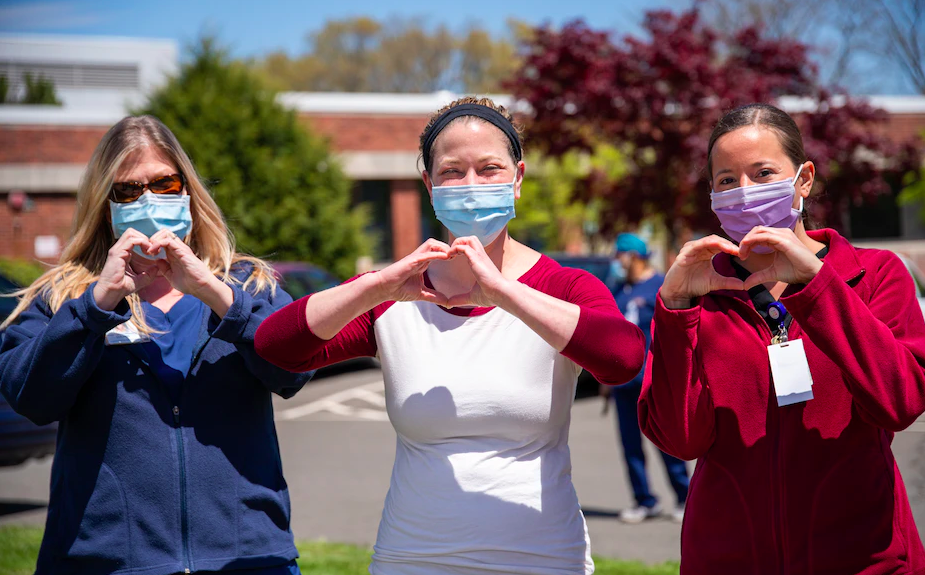
However, joining the healthcare and medical industry is no easy feat. After completing a four-year undergraduate program, aspirants have to then go on to choose a specialization they wish to pursue, with the duration of study often exceeding a decade.

In the U.S., after securing a slot in a medical school, a four-year-long course ensues. At the end of this course, aspirants are handed a Doctor of Medicine (MD) degree.

But, what if you want to pursue a career in the medical field but do not have an MD? We have put together a list of occupations in the medical field you can take up even if you do not have an MD.

Pharmacist

When you stroll into your local pharmacy, the person manning the counter is responsible for reading your prescription and handing over the appropriate medicines. Pharmacists are trained to be healthcare providers as well as experts in the field of medicine. Apart from our general perception of pharmacists, they also take on a slew of other roles.

Drug stores aside, pharmacists can also work in primary care offices, hospitals, and other healthcare facilities (a nursing home for example). Pharmacists face a long list of responsibilities.

In addition to verifying prescriptions, they are also trained to aid in helping patients take their medication properly and keeping records of all transactions. Some are also trained in compounding: mixing medicinal ingredients to create customized medication.

To become a pharmacist, an MD is not required. Instead, you need a Doctor of Pharmacy(Pharm.D) degree. You may get a traditional Pharm.D degree or even an online pharmacist degree.

Some Pharm.D degrees, especially those conducted in the online format offer you the opportunity to complete your doctoral degree in just about four years. The University of Findlay points out that students can also avail of dual-degree options. Here, along with your Pharm.D degree, you can also pursue an MBA, for example, to maximize marketability.

Nutritionist

Another career option you can unlock without an MD is becoming a nutritionist. As a nutritionist, you will be responsible for recommending a healthy and sustainable diet regimen for patients. The role also includes ascertaining the current weight, blood pressure, and general health condition of a patient, and creating a subsequent diet plan.

Nutritionists also track the progress a patient is making, making adjustments to their diet along the way. Finally, they also educate patients on the effects of their current diet and the benefits of the new suggested diet.

In order to become a nutritionist, you need to have a Bachelor’s Degree in Food, nutrition, biology, or other related health science fields. After the acquisition of a degree, a training period ensues. Under the banner of a nutritionist, you can acquire a number of certifications. These include a Registered Dietitian and Nutritionist (RDN), or a Certified Nutrition Specialist (CNS).

Prosthetist

Sometimes, accidents that cause severe injury might require the intervention of prosthetics to restore complete functionality in an individual. Here is where the role of a prosthetist comes in. Prosthetists help design and fit artificially built limbs to bolster movement and functionality in those with disabilities. Amputations caused by accidents, diseases, or other conditions like diabetes all fall within the gambit of a prosthetist.

Much like pharmacists, prosthetists are not limited to just hospitals. A prosthetist can also work in outpatient, and inpatient rehabilitation centers, or even have a private practice.

Those who want to be prosthetists do not require an MD, but they do have to have a bachelor’s degree in a relevant field, followed by the option of completing a master’s degree in prosthetics and orthotics.

Nurse

The role of a nurse is extensive. Some argue that the nature of the job is more grueling than becoming a doctor itself. Despite this, you do not need an MD to become a nurse.

Nurses are responsible for providing patient care, recording and tracking symptoms, administering medicine, and maintaining communication about patients with doctors. To become a Registered Nurse (RN), you need to acquire qualifications based on the requirements of the state you want to work in. Many states now require a Bachelor of Science in Nursing (BSN) before aspirants can qualify for their RN license.

Conclusion

For many people, becoming a stethoscope-wielding doctor clad in white is the dream. However, the healthcare industry is vast, and doctors are just the tip of the iceberg. Becoming a doctor is also an arduous, time-consuming, and expensive process. There are therefore several other career options you can take up which provide equal amounts of job satisfaction, and help improve lives.

What Does a Day in the Life of Nursing Students Look Like?

Posted on July 5, 2023 by Anthony

Nursing school can be daunting if you are unaware of the daily responsibilities and requirements nursing students face. Most prospective students do not perform in-depth research about this career path. Hence, they often feel blindsided by the pressure and stress of the coursework once it begins in earnest. As a result, about 20% of nursing students give up entirely on this career and drop out.

You must understand the daily requirements and academic commitments of a nursing student if you want to properly succeed in nursing school. For example, many nursing students need to wake up early at 5:00 a.m. or 6:00 a.m. to start their rigorous day. Bianca Acosta, a registered nurse in Rio Rancho, starts her day at 4:30 a.m.

While a career in nursing is unpredictable, you can find flexibility in the chaos. Below I’ll detail the typical life of a nursing student and how to navigate it successfully. This will help you create a routine and stay on top of everything.

Why Do You Need a Routine in a Nursing Program?

There are two types of programs available in nursing school. One is an accelerated track, while the other one is a traditional track. The main differences between the two are the time it takes to reach completion and prerequisites.

For example, traditional tracks last about four years and do not require prior degrees. But accelerated programs last fewer than twenty months and require you to have prior non-nursing degrees.

You will need a proper routine and schedule, irrespective of the course you choose. For example, accelerated bachelor of nursing programs will be very stressful if you do not create a proper routine.

Why? Because these 16-month courses will give you 60 credit hours with 450+ clinical hours. Without proper schedules or routines, time management, and skills, you might not succeed.

Did you know that one in every three nurses will retire by the end of 2030? This will create a surge in job openings. According to Elmhurst University, about 60% of all registered nurse job postings require a bachelor’s degree.

Hence, you need to design a realistic schedule that will help with your daily commitments to succeed in this accelerated track. Doing so will help you stay organized, prioritize, and be flexible.

What to Expect in Nursing School?

To create a proper schedule or timetables, you will need to understand your daily commitments. Try to create a ritual at the start of the semester and stick to it for the rest of the year.

Yet, keep your schedule flexible because this preprofessional track is unpredictable and variations might occur. Either way, you can expect the following and be ready to include them in your routine:

  • Online, offline, morning, or evening lectures, classes, and lab sessions
  • The commuting time between your home, college, and clinics for rotations
  • At-home studying or review tests, assignments, and study materials
  • Self-care activities like home errands, cooking, exercise, and leisure

The time spent on each activity and responsibility will depend on the type of program you have selected.

Overall Schedule of Nursing Students

According to Mia Dilenno, a Bachelor of Science in Nursing (BSN) graduate, nursing students should be up and about when the clock strikes six. She is usually at the campus by 6:15 a.m. to get a head start on the lectures.

After class, she focuses on building her professional skills at 10:00 a.m. and around noon she practices in the simulation lab. At 2:00 p.m., she heads for lunch and relaxes with her friends. By 7:00 p.m., Mia is done with her assignments and tries to go to bed by 9:30 p.m.

This scenario gives you some perspective on the daily occurrence in a nurse student’s life. Ideally, two types of routines can follow:

#1. Classes and Study Day

During study days, you will have classes and lectures. You can start by waking up early, going for a run, having breakfast, and leaving for campus. Once the classes start, you need to make notes of everything and clear your doubts.

After the classes get over, it is time for a healthy lunch and reviewing the coursework. Once you get home, you can start working on assignments with your study group.

#2. Clinical Rotations

You start your day earlier than study days so that you can reach the hospital with a full stomach. Once your shift starts, you should focus all your energy on learning practical skills from superiors and teachers.

During your break, you can have some lunch or snacks and get back to the shift again. When the shift ends, you can head back home, freshen up and start studying or working on assignments and homework.

For both cases, ensure to go to bed early and have a timely dinner.

8 Tips to Deal with Nursing School

Katie O’Sullivan, a nursing student, used to work a full thirty-six hours a week, which caused her to develop stress. Hence, you need to do the following to avoid feeling stressed:

  1. Focus on physical and emotional self-care activities
  2. Follow the nursing guides provided by the school
  3. Always be attentive in class and ask doubts without hesitation
  4. Ensure to study a few hours every day without fail
  5. Stay organized with your study materials and routine
  6. Create or join a study group with your peers and classmates
  7. Start journaling about your daily shenanigans
  8. Skim-read new materials and use outside resources

Furthermore, you need to take breaks from your routine to stay healthy and happy.

The Bottom Line

As you can see, nursing school is demanding and requires you to put in 100% effort. You will need to focus on coursework, clinical duties, studies, and more.

For that, most students start their day early. However, their routine depends on clinical rotations, classes, or study days.

Expect to perform duties at clinics, study hard at home or in dorm rooms, and perform self-care activities. At the end of the day, you get to learn about the clinical and theoretical aspects of nursing practice. With proper time management, study materials, and de-stressing activities, you can succeed on this academic path and hit the group running with this increasingly in-demand career.

Why a Career in Nursing Can Comfortably Land You a Job in Texas

Posted on June 24, 2023 by Anthony

If you’re considering a career in nursing and wondering about the best places to pursue it, look no further than Texas. The Lone Star State offers a promising nursing career outlook with abundant opportunities and attractive prospects for aspiring and experienced nurses alike.



Let’s explore the reasons why Texas stands out as a thriving destination for nursing professionals and the exciting prospects that await those who choose to build their careers in the Lone Star State.

Growing Demand for Healthcare Professionals

With a rapidly expanding population, Texas has emerged as one of the fastest-growing states in the United States. This population growth, in turn, leads to increasing demand for healthcare services, creating a pressing need for more qualified nurses to meet the evolving healthcare needs of the state.

The job outlook for Texas registered nurses is undeniably rich and promising. Recent statistics indicate that the state is experiencing a shortage of approximately 30,000 RNs, highlighting a pressing demand for nursing professionals.

What’s even more remarkable is that this demand is expected to surge even further, with projections indicating a staggering growth of nearly 50% in the need for nurses by the year 2030.

This deficit is attributed to factors such as the impact of the COVID-19 pandemic. The Texas Hospital Association’s report reveals that around 500,000 nurses are expected to retire or leave the workforce this year alone, exacerbating the overall shortage to a staggering 1.1 million nurses.

The situation calls for urgent attention and strategic measures to address the impending healthcare workforce crisis, particularly in urban centers and underserved rural areas.

Diverse Range of Nursing Specializations

According to Baylor University, Texas presents a plethora of opportunities for nurses seeking specialization in various fields, such as pediatric care, mental health, oncology, and more. The state’s diverse healthcare landscape caters to a wide range of nursing interests, offering ample chances to pursue one’s passion and expertise.

From top-tier medical centers to community clinics, Texas accommodates nurses looking to advance their careers in different specialties.

Moreover, the Texas Health and Human Services Commission reports that approximately 3.7 million people, accounting for nearly 13 percent of the state’s population, belong to the 65 and older age group.

This number is projected to increase to 17 percent by the year 2050. As a result, the demand for specialized nursing services, particularly in long-term care, is expected to surge. Interestingly, Long-TermCare.gov reveals that around 70 percent of individuals reaching the age of 65 will likely require long-term care at some point in their lives.

Despite the evident demand for specific nursing fields in Texas, there is currently a scarcity of Advanced Practice Registered Nurses (APRNs) in the state, with only 5.2 percent of the workforce comprising APRNs.

With an aging population and increasing healthcare needs, the significance of nursing specialization cannot be overlooked, making it a highly sought-after profession in the evolving healthcare landscape of Texas.

Competitive Salaries and Benefits

Texas is renowned for its attractive salaries and competitive benefit packages for nursing professionals. According to statistics, the average salary for registered nurses (RNs) in Texas, across all cities, is $84,320 annually, equivalent to approximately $40.54 per hour.

This lucrative pay provides nurses with ample opportunities to enjoy an above-average standard of living within the state, especially considering Texas’ relatively lower cost of living compared to some other states.

Moreover, RNs in Texas receive a comprehensive benefits package that includes insurance coverage, retirement plans, and paid leave. On average, the value of these benefits amounts to an additional $35,274, making the overall compensation package highly appealing to nursing professionals.

Many healthcare facilities in Texas also go the extra mile by offering bonuses, tuition reimbursement, and various career advancement opportunities, further enhancing the attractiveness of working in the state for ambitious and dedicated nurses.

This combination of competitive salary and enticing benefits makes Texas a top choice for nurses seeking a fulfilling and financially rewarding career path.

Thriving Healthcare Facilities and Institutions

Texas is home to several world-class healthcare facilities, including the Texas Medical Center in Houston, one of the largest medical centers globally. The state’s healthcare institutions are equipped with cutting-edge technology and renowned for their commitment to research, education, and patient care. Working in such esteemed institutions provides nurses with invaluable experiences and opens doors for future career growth.

Advancing Nursing Education

Texas prioritizes the advancement of nursing education and offers numerous accredited nursing programs, ranging from Associate Degree in Nursing (ADN) to Doctor of Nursing Practice (DNP). The state’s universities and colleges collaborate with healthcare facilities to provide aspiring nurses with hands-on training and internships, fostering a well-prepared and competent nursing workforce.

Telehealth and Technological Advancements

In the wake of the COVID-19 pandemic, Texas has been at the forefront of embracing telehealth and other technological innovations in healthcare. Statistics reveal that telehealth is utilized in approximately 13% to 17% of patient visits across various medical specialties in the United States. This shift towards telehealth services has revolutionized nursing practice, enabling nurses to reach patients in remote areas and provide high-quality care virtually.

By leveraging technology in nursing practice, nurses in Texas have witnessed a significant enhancement in patient outcomes. The adoption of telehealth not only ensures improved access to healthcare services for patients but also allows nurses to develop expertise in digital healthcare delivery.

This tech-savvy approach to nursing opens up exciting opportunities for nurses to adapt to the changing landscape of healthcare, expand their skill set, and contribute to the advancement of patient care in the state.

Conclusion

If you’re looking for a promising nursing career with diverse opportunities and a supportive environment, Texas could be your ideal destination. With its growing demand for healthcare professionals, the state offers an attractive career outlook for nurses of all backgrounds.

Whether you’re a recent nursing graduate or an experienced professional seeking a change, Texas welcomes you with a wealth of opportunities to grow, make a difference in patients’ lives, and contribute to the advancement of nursing practice in this dynamic and vibrant state.

Becoming an RN in Pennsylvania: A Guide for High School Graduates

Posted on June 20, 2023 by Anthony

As you prepare to graduate from high school, or even as late as your time as an undergraduate or in the weeks, months, or years after you’ve earned your undergraduate degree, you may find yourself wondering about your next steps. One exciting option is to consider becoming a registered nurse (RN). As an RN, you become an integral part of the healthcare system by assisting individuals in their recovery from illnesses and injuries.

Nursing, as a career, is in high demand across the US, and particularly in Pennsylvania. The Hospital and Healthcare Association of Pennsylvania notes that both in the state and across the country, there is a shortage of qualified healthcare professionals to meet the increasing demand for care.

Pennsylvania is facing one of the most significant workforce shortages in the nation due to factors such as the aging and retiring healthcare workforce and a more significant number of patients requiring acute care. This highlights the urgent need for skilled nurses to fill the gaps and provide quality healthcare services to meet the growing healthcare needs of the population.

Yet, becoming an RN requires education beyond a high school diploma.

Below, you’ll gain a clear understanding of how to pursue a career as an RN in Pennsylvania, which will equip you with the knowledge needed to embark on a successful journey in the nursing profession.

Research Nursing Programs in Pennsylvania

Exploring and gathering information about appropriate nursing programs available in your state is essential to begin your journey toward becoming an RN.

When researching nursing programs in Pennsylvania, consider the following points:

  • Explore both associate degree in nursing (ADN) and bachelor of science in nursing (BSN) programs.
  • Compare the admission requirements of each program, including prerequisites, GPA expectations, and any required standardized tests.
  • Evaluate the curriculum of each program to ensure it aligns with your educational and career goals.
  • Check the accreditation status of the nursing programs to ensure they meet the necessary quality standards.
  • Consider factors such as program length, class sizes, clinical experiences, and opportunities for specialization or advanced study.
  • Research the reputation and success rates of graduates from each program, including their employment rates and passing rates on licensure exams.
  • Take note of the location and accessibility of the nursing programs, considering factors like commuting, housing, and proximity to healthcare facilities for clinical rotations.
  • Seek out information on available resources and support services, such as tutoring, counseling, and career guidance.

By thoroughly researching and comparing nursing programs, you can make an informed decision and choose the program that best fits your aspirations and educational needs.

Meet the Nursing Admission Requirements

To begin your journey toward becoming a registered nurse, it’s essential to understand the admission requirements of the nursing programs you’re interested in. These requirements usually include having a high school diploma or its equivalent.

Additionally, you may need to complete prerequisite courses like biology and chemistry. Some programs might also consider your minimum GPA and standardized test scores, such as the SAT or ACT.

It’s crucial to carefully review the specific admission criteria for each program to ensure you meet the necessary qualifications. By fulfilling these requirements, you’ll be one step closer to pursuing your dream of becoming a registered nurse in Pennsylvania.

Consider Direct Entry BSN Programs

Holy Family University notes that one way to become a qualified nurse is to join an accelerated BSN program available at some universities. These programs cater to students who have already earned a bachelor’s degree in a non-nursing field.

Referred to as “accelerated BSN programs,” they provide a faster route for career changers or those seeking a second degree to become registered nurses. These programs compress the traditional nursing curriculum into an intensive and condensed timeframe, allowing students to build upon their existing knowledge while acquiring the necessary nursing skills.

Accelerated BSN programs in Pennsylvania offer a streamlined pathway for motivated individuals to transition into the nursing profession efficiently and effectively.

Apply for Financial Aid and Scholarships

Financial aid is a great way to help you pay for your nursing degree. You can look into federal grants, loans, and scholarships available for aspiring nurses. Seek out scholarships specifically designed for nursing students in Pennsylvania, offered by professional nursing organizations, hospitals, and foundations.

These scholarships can provide valuable financial assistance to cover tuition costs, textbooks, and other educational expenses. By taking advantage of financial aid and scholarships, you can make your nursing education more affordable and accessible. It will also ensure that financial constraints do not hinder your path to becoming a registered nurse.

Obtain State Licensure

To work as a registered nurse (RN) in Pennsylvania, you must obtain a state license.

As stated by Nurse.org, after finishing your ADN or BSN program, you become eligible to take the National Council Licensure Examination (NCLEX-RN) to obtain your RN license. If it’s your first time taking the NCLEX, you can schedule the exam within 30 days of becoming eligible. The test typically takes a little over four hours to complete.

It’s essential to familiarize yourself with the licensure requirements and the application process, including submitting an application, paying a fee, and providing the necessary documentation. By understanding the steps involved, you can prepare yourself for success in this final phase of becoming a qualified nurse in Pennsylvania.

Consider Further Education in Nursing

Although obtaining an Associate Degree in Nursing (ADN) or a Bachelor of Science in Nursing (BSN) qualifies you to become a registered nurse, it’s worth contemplating the advantages of pursuing even higher education in the field.

Furthering your education can bring many benefits. According to Fortune obtaining a Master’s degree in nursing (MSN) expands your career prospects, offering opportunities in leadership, academia, research, and specialized roles.

With an advanced degree, nurses can pursue weekday jobs instead of working alternating weekends and enduring 12-hour shifts. Besides improving work-life balance, completing a higher education program can also enhance earning potential.

Conclusion

As a high school graduate embarking on becoming a registered nurse in Pennsylvania, you now possess a comprehensive guide to help you navigate this rewarding journey. Understanding the necessary steps will help you lay the groundwork for a successful nursing career.

As you embark on this fulfilling profession, embrace a commitment to lifelong learning and dedication to providing compassionate care to patients. With determination and passion, you can make a meaningful impact in the healthcare system, improving the lives of individuals and contributing to the well-being of communities in the state.

The Impact of a Nursing Degree on a High School Student’s Career

Posted on April 4, 2023 by Anthony

Pursuing a degree in nursing can be a significant turning point in a student’s career progression. It can equip you with knowledge and skills in various areas of nursing, enabling you to advance your career and pursue leadership roles in the future. 

This article will explore the impact of a nursing degree, including opportunities for growth, career advancement, and higher salaries.

Why Pursue BSN and MSN Degree Programs?

A Bachelor of Science in Nursing (BSN) degree is a crucial foundation for a nursing career. However, as the requirement for higher education and advanced expertise is on the rise, a significant number of nursing students also opt for a Master of Science in Nursing (MSN), which enables them to augment their proficiency and enhance their professional prospects.

Once you’ve graduated, pursuing an MSN online course is an excellent option for those who want to continue working while earning an advanced degree. One of the significant benefits of pursuing a BSN to MSN online program is the flexibility it provides. The program at Wilkes University, for instance, prepares nurses to become leaders in the field through a comprehensive online curriculum.

The program covers advanced patient care, healthcare administration, nursing education, and nursing research, among other areas nurses can study. One of the benefits of online programs is that students can work through their coursework according to their own timeline, which can make it simpler to juggle professional and personal responsibilities.

Additionally, online programs tend to have more extensive and diverse options, allowing students to pick from a range of programs and institutions. Students can also opt to concentrate their studies in their preferred areas, such as nursing education or nursing administration. With a curriculum designed to meet the evolving needs of the healthcare industry, graduates of the program are well-prepared to pursue leadership roles and advance their careers.

1. Expanded Career Opportunities

A degree in nursing provides training and specialized knowledge in various domains, enabling students to serve their community and pursue leadership roles in the future.

And once you choose the right specialization, your options are no longer limited to working as a nurse in healthcare settings. One of the most popular career paths is becoming a nurse practitioner (NP). 

NPs are advanced practice registered nurses who can diagnose and treat patients, prescribe medication, and perform other medical procedures under the supervision of a physician. NPs are in high demand, particularly in underserved areas, and often earn higher salaries than registered nurses.

Another career path to consider is becoming a nurse educator, wherein you’ll instruct nursing students in academic settings and offer further education to practicing nurses. With a Master’s degree, you can teach in diverse environments, such as universities, community colleges, and hospitals.

2. Higher Earning Potential

One of the most significant benefits of pursuing a degree in nursing is the potential for higher earnings. According to US News, registered nurses (RNs) in the US earn an average annual salary of USD 77,600.

Moreover, nurses with a master’s degree can earn significantly more than those with a BSN or ADN. According to Nursing Process, with a few years of experience, an MSN degree holder’s salary may easily rise to over $110,000.

As nurses with this degree typically take on advanced roles, such as nurse practitioner, nurse anesthetist, or nurse midwife, they are compensated at a higher rate. 

3. Leadership and Management Opportunities

A career in nursing can also give you a chance to pursue leadership roles in healthcare administration, nursing management, and other areas that require strong leadership and management abilities. Of course, you will have to persevere for years and earn the right qualifications.

Nurse managers oversee nursing staff, ensure high-quality patient care, and manage budgets and resources. Healthcare administrators are responsible for managing healthcare facilities, developing policies and procedures, and ensuring compliance with regulatory requirements.

4. Personal and Professional Growth

A nursing degree program offers a rigorous and rewarding academic journey, helping you broaden your knowledge and expertise, as well as hone your critical thinking and problem-solving proficiencies.

For instance, through an MSN program, nurses gain a deeper understanding of the nursing profession, its history, theories, and evidence-based practices. They also learn about healthcare policy, ethics, and legal issues, enabling them to advocate for patients and make informed decisions in complex healthcare environments.

5. Increasing Demand for Nurses

As the healthcare industry continues to evolve and become more complex, there is an increasing demand for nurses, particularly ones with advanced and specialized degrees. 

According to the US Bureau of Labor Statistics, employment for nurses is projected to grow by 9%, with an average of 194,500 openings every year between 2020 and 2030. The growing nursing shortage in the country will further accelerate the demand for qualified and trained nurses. That makes a nursing degree an asset for anyone looking to build a successful career while serving their community.

Earning a Degree in Nursing Provides Several Advantages

The American Association of Colleges of Nursing reports that more than 500 nursing schools nationwide offer a selection of more than 2,000 graduate programs. These are suited to the requirements of nurses with various levels of education. 

With the healthcare industry’s continued growth and increasing complexity, pursuing a degree in nursing is a good idea for those who want to make an impact in the world while building a thriving and profitable career.

A Definitive Guide to Career Mapping for High School Students

Posted on April 3, 2023 by Anthony

Career mapping is a crucial process for high school students, as it allows them to gain clarity on their interests, skills, and aspirations and align them with suitable career paths. It can help students explore different career options, set achievable goals, and take steps toward achieving them. 

In this article, we’ll provide a definitive guide to career mapping for high school students that cover everything from understanding your skills and interests to setting concrete and achievable goals.

Assess Your Interests and Skills

The first step in career mapping is to assess your interests and skills. 

Start by taking personality tests, skills assessments, or career aptitude tests to gain insights into your strengths, weaknesses, and preferences. These tests can help you identify your natural talents, personality traits, and work preferences, which can guide your career choices.

You can also take advantage of your high school’s resources, such as career counselors or guidance counselors, to discuss your interests and skills and explore career options that align with them. 

Also, consider participating in extracurricular activities or volunteer work to gain practical experience and develop new skills. You’ll have club and activity supervisors to assess your skills and give you insightful feedback regarding them. 

Research Career Paths

Once you have a better understanding of your interests and skills, it’s time to research different career paths that align with them. 

Consider exploring various career websites, job boards, or company websites to gain insights into different industries, job roles, and career paths. You can also talk to professionals in your desired field or attend career fairs to learn more about their experiences and career trajectories.

It’s essential to consider factors such as job demand, growth prospects, salary, and work-life balance when researching career paths. You can also explore different education and training options, such as college degrees, vocational programs, or apprenticeships, that can prepare you for your desired career path.

Some might say that getting into all this as a high schooler might be overkill. However, it’s never too early to look into possible career paths. 

Set Realistic Goals

Now it’s time to set realistic goals for your future career. Setting achievable goals can help you stay motivated and focused on your career path. 

You can start by creating a career plan that outlines your short-term and long-term goals, including the skills and qualifications you need to acquire to achieve them.

It’s crucial to set specific, measurable, achievable, relevant, and time-bound goals that align with your interests and skills. For example, if you want to become a software engineer, your short-term goal could be to learn coding languages such as Python or Java, while your long-term goal could be to earn a computer science degree from a reputable university.

Stay Flexible and Always Know Your Next Step

Sometimes, it’s possible that you’ll end up with a Bachelor’s degree in one field and realize that your passion lies in something else. In such situations, you should know that it’s possible to make such career changes. All you need to do is stay flexible, know your next step, and trust your passion. It’s also important to make sure that the next field you pursue doesn’t take up too much of time since you want to be able to earn money as soon as possible.

For instance, after getting your Engineering degree, you realize you want to become a nurse, and for that, you want to pursue a Bachelor of Nursing (BSN) degree. However, since most BSN programs take up to four years, you want to opt for something faster. Thus, you do your research and find that the University of Indianapolis offers an online accelerated BSN degree program that will take only 1.5 years. 

Therefore, it makes more sense to enroll in this accelerated online program than to sign up for a four-year degree elsewhere. 

As long as you have such flexibility and can plan like this, nothing can stop you from aiming for the career you are passionate about. 

Gain Practical Experience

Gaining practical experience is essential to your career mapping journey, as it can help you develop new skills, build your resume, and network with professionals in your desired field. You can gain practical experience through internships, part-time jobs, or volunteer work in your desired field.

It’s essential to take advantage of your high school’s resources, such as career centers or alumni networks, to find opportunities that align with your career goals. You can also attend industry events or participate in online communities to network with professionals and gain insights into different career paths.

Continuously Learn and Evolve

Career mapping is a continuous process that requires you to learn and evolve as you progress in your career. It’s crucial to stay up-to-date with industry trends, technology advancements, and new job roles to stay relevant in your field. You can attend conferences, workshops, or online courses to gain new skills and knowledge that can help you advance in your career.

It’s also essential to seek feedback from mentors or colleagues and reflect on your strengths and weaknesses to improve your performance and achieve your career goals. 

Ensuring all these things as a high schooler will help you a great deal when you graduate high school. By the time of your graduation, you’ll already have a concrete plan and map to navigate your future career. 

  • « Previous Page
  • 1
  • 2

Subscribe to our mailing list

Trending Posts

2025 Admissions Cycle Brings Change at US Naval Academy

Another Reason Why Your Common Application Essay is So Bad

AP vs. IBDP. Which is best for you?

The 5 Most Ridiculously Underrated Colleges in America

You can earn a fully-funded visit to Amherst

The top 23 songs to listen to while completing your college applications are…

Digital SAT: All You Need to Know

Avoid Tuition Anxiety: Put Strong Merit Aid Colleges on Your List

Dear 9th Grader: Don’t get rejected from the Ivy League so soon!

Make the most of a college visit this spring

Many high school counselors mean well but…

Tulane’s acceptance rate is 13%. Only 34% are male.

This is what Affirmative Action and Test-Optional looks like at University of Wisconsin-Madison

Comparing Undergraduate Life at University of Oklahoma and Oklahoma State University

How to get into the Ivy League – Ethically

Dear 10th Grader: Don’t Become An Ivy League Reject!

Top 20 Undergraduate Business Programs at Mid-Sized Colleges in the U.S. South

Most and Least Popular Common App Essay Prompts

8 Ways to Reduce the Cost of College

New Dartmouth Essay Prompts Feature Football and Wild Chimpanzees

30 Summer STEM Camps for High School Freshmen

Rolling Admission vs. Regular Decision

Wesleyan University Ends Legacy Preferences in Admissions

UNC and a tale of one – make that four – acceptance rates

Oh, Canada! The Definitive List of Canadian University Application Deadlines

12 Reasons Scattergrams Lull Students Into a False Sense of Security

Top 5 Ways Applying to US Colleges is Different than Applying to UK Universities

Northwestern Releases Regular Decisions, Class of 2027 Statistics

The Perfect Gifts to Celebrate Getting Into College

Search Posts By Topic

  • 3 Year Degree (3)
  • Accommodations (3)
  • Admissions Policies (133)
  • Admissions Statistics (90)
  • Advice & Analysis (482)
  • AI (1)
  • Alabama (2)
  • Amherst (3)
  • AP (6)
  • Applications (93)
  • Applying from India (1)
  • Arizona (4)
  • Arts (1)
  • ASU (1)
  • Austin College (1)
  • Babson (1)
  • Baylor (1)
  • Berry College (1)
  • Boston College (2)
  • Boston University (6)
  • Bowdoin (2)
  • Brown (6)
  • Bryn Mawr (1)
  • Business (2)
  • BYU (1)
  • Caltech (6)
  • Canada (2)
  • Career and Technical Education (34)
  • Case Western (4)
  • China (1)
  • CMC (1)
  • Coalition (13)
  • Colby (3)
  • College Costs (1)
  • College Counselor (18)
  • College Fairs (5)
  • College Life (38)
  • College List (40)
  • College List Deathmatch (5)
  • College Visit (26)
  • Colorado College (1)
  • Colorado School of Mines (1)
  • Columbia (7)
  • Common App (43)
  • Community Colleges (4)
  • Cornell (5)
  • Counseling (3)
  • COVID-19 (8)
  • CSS PROFILE (3)
  • CSU (1)
  • CSULB (1)
  • CU Boulder (2)
  • Cybersecurity (1)
  • Dartmouth (7)
  • Davidson (1)
  • Demonstrated Interest (17)
  • DePaul (1)
  • Dickinson (1)
  • Direct Admissions (1)
  • Duke (3)
  • Early Action (44)
  • Early Childhood Education (1)
  • Early Decision (46)
  • Education (8)
  • Educational Consulting (1)
  • Elon (2)
  • Emergency Management (1)
  • Emory (1)
  • Engineering (3)
  • Enrichment (18)
  • Entrepreneurship (2)
  • Environmental Science (2)
  • Essays (59)
  • Europe (7)
  • Exercise Science (1)
  • Exeter (1)
  • Experiential Learning (1)
  • Extracurricular Activities (37)
  • FAFSA (6)
  • Feature (2)
  • Financial Aid (31)
  • First Person (13)
  • Fly-In (2)
  • France (1)
  • FSU (1)
  • Gap Programs (2)
  • GED (1)
  • Georgetown (5)
  • Germany (2)
  • Gifts (3)
  • Gonzaga (1)
  • GPA (8)
  • Graduate School (22)
  • Hamilton (1)
  • Harvard (7)
  • Healthcare (3)
  • High School (25)
  • Higher National Diplomas (1)
  • HiSET (1)
  • IB (4)
  • IEC (1)
  • IELTS (1)
  • Indiana (3)
  • Industrial Hygiene (1)
  • International (9)
  • Internships (8)
  • Interviews (10)
  • Iowa (2)
  • Italy (2)
  • Ivy League (20)
  • JHU (3)
  • Journalism (2)
  • Kettering University (1)
  • Lafayette (1)
  • Law (4)
  • LD (1)
  • Lists & Rankings (8)
  • Loans (1)
  • Majors (18)
  • Marketing (1)
  • Math (1)
  • Medicine (1)
  • Mental Health (3)
  • Miami (1)
  • Middlebury (1)
  • MIT (7)
  • Montana State University (1)
  • Moving (1)
  • Naviance (2)
  • NCAA (3)
  • New Mexico State University (1)
  • News (129)
  • Northwestern (5)
  • Notification News (4)
  • Notre Dame (3)
  • Nursing (19)
  • NYU (3)
  • Of Note (17)
  • Ohio State (2)
  • Oklahoma (1)
  • Online Learning (18)
  • Open Admission (2)
  • Parents (7)
  • Penn (8)
  • Pharmacy (1)
  • Pitt (2)
  • Popular Posts (10)
  • Princeton (5)
  • Priority (2)
  • Professor of the Month (1)
  • PSU (3)
  • Psychology (3)
  • Public Universities (8)
  • Purdue (3)
  • Rankings (11)
  • Reader Questions (11)
  • Recommendations (10)
  • Regular (26)
  • Research (4)
  • Resume (20)
  • Rice (4)
  • Robotics (1)
  • Rochester (1)
  • ROI (5)
  • Rolling (5)
  • Rose-Hulman Institute of Technology (1)
  • Santa Clara University (2)
  • Scholarships (2)
  • SEL (1)
  • Sewanee (1)
  • Skiing & Snowboarding (1)
  • SMU (1)
  • Social Work (10)
  • Soft Skills (1)
  • South America (2)
  • Southwestern (TX) (1)
  • Spotlight Series (1)
  • SRAR/SSAR (1)
  • St. Edward's University (1)
  • St. John's College (1)
  • Standardized Tests (45)
  • Stanford (4)
  • STEM (2)
  • Stevens Institute of Technology (1)
  • Student Trips (1)
  • Summer (24)
  • Swarthmore (1)
  • Syracuse (1)
  • TASC (1)
  • Teacher Recommendations (8)
  • Temple (1)
  • Texas (4)
  • Texas A&M (1)
  • Ticker (26)
  • Trending Posts (35)
  • Trinity University (TX) (1)
  • Tufts (5)
  • Tuition (3)
  • Tulane (8)
  • UBC (1)
  • UC Berkeley (9)
  • UC Davis (3)
  • UC Santa Barbara (3)
  • UCAS (5)
  • UCF (1)
  • UCI (2)
  • UCLA (9)
  • UCSD (2)
  • UDub (1)
  • UF (4)
  • UGA (3)
  • UIUC (3)
  • UMass (3)
  • UMD (5)
  • UNC (2)
  • United Kingdom (8)
  • Universal College Application (1)
  • University of Chicago (3)
  • University of Dallas (1)
  • University of New Mexico (1)
  • University of Rochester (1)
  • University of Vermont (1)
  • USC (5)
  • USNA (1)
  • UT Austin (4)
  • Utah (2)
  • UVA (7)
  • Vanderbilt (2)
  • Video Game Design (1)
  • Villanova (3)
  • Virtual Information Session (1)
  • Virtual Visit (2)
  • Wake Forest (1)
  • Wash U (7)
  • Wesleyan (2)
  • Williams (3)
  • Wisconsin (3)
  • Work Study (1)
  • Yale (14)
  • ZeeMee (1)

News Tips | Write for Us | Sponsored Posts
All content © 2025 | Admissions.Blog
Terms of Service | +1 410-526-2558

Copyright © 2026 · Metro Pro Theme on Genesis Framework · WordPress · Log in