Admissions Blog

Undergraduate Admissions Uncensored

  • admissions.blog

University of Miami Just Made It Easier to Apply – But Harder to Get In

Posted on July 15, 2026 by Craig Meister

University of Miami has officially removed its supplemental essay for the 2026-2027 admissions cycle. Students will now only submit the main Common App essay.

This is part of a growing trend among selective colleges. Schools like WashU, Tulane, UGA, and UVA (last cycle) have made similar moves to increase application volume and lower acceptance rates. UMiami is the latest to follow.

While the change sounds student-friendly, it actually makes the admissions process more competitive in practice. With fewer opportunities to show fit and stand out, your Common App essay now carries significantly more weight.

In the video below, I break down:
– Why UMiami made this decision
– How it fits into the broader trend of colleges lowering standards
– What this means for students applying to Miami and similar schools
– Why strong applicants are at a disadvantage when schools remove ways to demonstrate excellence

This is exactly why having strong strategy on your Common App essay is more important than ever!

Why a Masters in Social Work Could be Your Next Career Move

Posted on July 15, 2026 by Anthony

A Master’s Degree in Social work, also called a Master of Social Work (MSW) Degree is a post-graduate qualification that prepares students for advanced clinical social work roles. It is a required qualification to be a clinical social worker in all U.S states currently. But what exactly does it involve, and what are the career prospects?

An MSW degree usually takes two years full time study, although students with an existing Bachelors of Social Work degree can sometimes complete it in one. Work will be a mix of classroom study, independent research and supervised field placements or internships. The US employs over 800,000 social workers according to Department of Labor statistics, and that is only expected to grow considerably over the next decade. So MSW roles are in demand, and there are a variety of specializations to choose from.

What a Master of Social Work Is

An MSW is needed to become a licensed clinical social worker in any US state. It prepares graduates to provide psychotherapy, diagnose mental conditions and work in an in-demand field that, while not easy, can be financially and holistically rewarding for the right kind of person.

While studies have been traditionally undertaken on campus, online learning and qualifications are now not only possible but common. Masters social work online programs are designed around working professional life, and can be completed part time. Expect these courses to take longer, but they are adaptable around students’ locations and work/life balance needs.

Even the work placements can be arranged locally to students studying online – meaning whether study is online or in person, the core syllabus and the strength of the ultimate qualification in the job market remain the same.

Core subjects studied in the curriculum include:

  • Psychology basics
  • Ethics
  • Research practices
  • Clinical social work practice
  • Case management
  • Advocacy skills

An MSW can be studied full time, part time, online or in person. The only non-negotiable is that you must complete a supervised field placement, alongside your studies. The degree takes one to two years full time, or up to three years part time. Those with an existing Bachelors of Social Work qualify for Advanced Standing, meaning they can skip the foundation year and complete an MSW in just one year.

As well as online and in person, a MSW can be combined into a dual degree with a related field – such as medicine, law, administration or science.

A Master of Social work degree suits someone who is personable and emotionally resilient, with the drive to do their best to help people in need. Dealing with social work cases can be incredibly rewarding, but also highly emotionally challenging.

Why Demand for Social Work is Rising in the U.S.

An MSW can be a well paid middle class career, with opportunities for income to rise in related senior roles as you progress. The average US salary for a social worker is around $60,000 a year. Although experienced clinical social workers can expect to earn slightly more in areas where demand is high.

And demand is relatively high right now. The US has an aging population, meaning more senior citizen care needed, and increasing mental health awareness has opened up more roles in the corporate space. Some institutions that are in regular need of new social care workers, especially in senior positions, include:

  • Schools
  • Hospitals
  • Charities
  • Local government
  • Mental health and addiction support
  • Veteran’s services

MSW Degrees Offer a Variety of Career Opportunities

Many MSW graduates often go on to a complete a Licensed Clinical Social Worker certification. Whether this is needed for clinical practice depends on which state you live or plan to work in, but it is a common route for many. This requires many supervised clinical working hours though, and so can often be treated as an early career role as well as study.

The employment prospects in the social work sector are expected to grow about 5% to 7% between now and 2034 – which is above the US average for most occupations. That equates to around 70,000 new jobs a year.

The highest paid positions for an MSW degree holder include teaching social work at a high level, such as at a university, managing community development with local or state government, or senior managerial positions in corporate employee assistance programs. These jobs can pay upwards of $100,000 a year or more, depending on experience and location.

Other jobs that aren’t clinical social work that an MSW degree and skills will still be very relevant to include:

  • Non profit leadership
  • Policy advisers
  • Consultancy
  • Community management

Even if not looking to get to the highest levels of the career explicitly, a Master of Social Work will prepare students for a well paid role in a rewarding sector that really makes a difference in people’s lives. At the top levels roles can still make a big difference – but expect to be less hands on and more involved in management and setting policy, the further you rise up the social work career ladder.

How to Bridge the Gap From an Associate Degree in Nursing (RN) to a Master of Science in Nursing (MSN)

Posted on July 15, 2026 by Anthony

Moving from an associate nursing qualification to a master’s degree is a massive professional milestone. If you want to do it well and with ease, you need to plan as best you can. With the right educational pathway, you can build on your experience while preparing for more advanced opportunities within healthcare. It can feel like a lot to juggle, which is why the below should help you navigate this. 

If you began your career with an Associate Degree in Nursing, pursuing a master’s degree may be the next step in your professional journey. As healthcare becomes increasingly specialized, graduate qualifications can help you in your work journey.

Build Your Knowledge Before Taking the Next Step

Every educational journey starts with research and progressing from an associate degree to a master’s program is no exception. Before submitting applications, take time to understand how different universities structure their programs, what admission requirements they have and which pathway best aligns with your career goals.

For many working nurses, an online RN MSN program offers a practical way to continue your education without stepping away from your current role. The flexibility of online study allows you to complete coursework while continuing to work, giving you the opportunity to gain valuable clinical experience as you progress academically.

If there is one tip you should absolutely take with you, it’s that comparing institutions is an important part of the decision-making process. Accreditation, course content, faculty experience, student support services and graduation requirements all need your attention.

Another advantage of online study is the wider choice of institutions available to you. Rather than limiting yourself to nearby universities, you can explore programs offered across different regions and choose one that best fits your interests and long-term ambitions.

Why Quality Education Makes a Lasting Difference

A graduate nursing degree is about far more than earning another qualification. It gives you the opportunity to deepen your clinical knowledge, strengthen your professional judgment and prepare for responsibilities that extend beyond everyday patient care.

A well-designed program builds on the experience you have already gained while introducing more advanced concepts in leadership, healthcare policy and clinical decision-making. Each area helps you develop a better understanding of healthcare and the responsibilities that come with more advanced nursing roles.

What you also need to bear in mind is that the strongest programs also encourage you to think critically about the decisions you make in clinical settings. Rather than simply learning new material, you will be challenged to evaluate situations, consider different approaches and develop solutions based on research and professional experience.

Equally important are the instructors who guide you throughout the program. Faculty members with extensive clinical backgrounds are vital, as they’re the ones you’ll be learning from. Their experience and passion for the topics are key.

Think Carefully About Clinical Placements

Although much of your academic work can be completed online, clinical placements remain one of the most valuable parts of your journey toward a Master of Science in Nursing. They give you the opportunity to apply what you have learned in real healthcare settings while working alongside experienced healthcare professionals.

Clinical placements vary depending on the university you choose and your area of specialization. You may complete your placement in a hospital, an outpatient facility, a community healthcare center or another approved medical setting.

Before enrolling, take the time to understand how your chosen university manages clinical placements. Some institutions help students secure suitable placement sites through established healthcare partnerships, while others expect you to arrange an approved placement independently.

These practical experiences also allow you to work alongside physicians, nurses, therapists and other healthcare professionals. As you collaborate with different members of the healthcare team, you will strengthen your communication skills, which is very helpful.

Develop Skills That Go Beyond the Classroom

Completing a graduate nursing degree involves much more than mastering academic material. Throughout your studies, you will continue developing professional skills that become increasingly valuable as you move into positions with greater responsibility.

Time management is often one of the first skills you will refine. If you continue working while studying, you will need to balance coursework, clinical hours and your personal commitments.

Communication is another essential area of growth. As a nurse, you will regularly work with multidisciplinary healthcare teams, making clear communication an important part of your professional role. Group discussions, presentations, written assignments and collaborative projects all provide opportunities to strengthen these abilities as you complete your degree. It will put you in new situations with different people and the skills you learn in those scenarios will be great as you move forward in your occupation.

Looking Ahead to Future Opportunities

Moving from an Associate Degree in Nursing to a Master of Science in Nursing represents more than earning another qualification. It is an investment in your long-term professional development and an opportunity to expand your knowledge, strengthen your expertise and prepare for new career opportunities in the workforce.

What It Takes to Earn Your Online Ed.D. in Educational Leadership for Working Professionals

Posted on July 15, 2026 by Anthony

Earning your online Ed.D. in educational leadership is a journey that requires research, commitment, curiosity and a willingness to keep developing. This level of study is no longer about regurgitating information; it’s about researching something new, being open to fresh ideas and maintaining a level of candor. For working professionals, the experience combines advanced study, research, reflection and practical leadership growth.

Choosing to pursue an online Ed.D. in educational leadership means committing yourself to a challenging and rewarding academic journey. You are not simply completing another qualification; you are developing new ways of thinking, strengthening your leadership knowledge and exploring how research can shape your professional practice. Here are some tips on how to navigate this.

Finding the Right Program for Your Future

Your first major decision is choosing a program that reflects your direction and goals. The right Ed.D. should give you opportunities to explore leadership theories, conduct meaningful research and connect academic concepts with real-world practice.

A doctoral degree in educational leadership requires careful consideration before you begin. You should look beyond the course title and explore what the program offers, including its curriculum, faculty expertise, research opportunities and support systems for students balancing work and study.  An online format can provide the flexibility many professionals need, allowing you to continue building your career while working toward an advanced qualification. However, flexibility also requires personal responsibility. You will need to stay organised, manage deadlines effectively and remain actively engaged throughout your studies.

Committing Yourself to the Doctoral Journey

Completing an Ed.D. requires determination and consistency. As a working professional, you will likely need to balance your studies with existing responsibilities, making your ability to plan and prioritise extremely valuable.

Your doctoral experience will involve various things like reading, research, writing, discussion and the development of significant academic projects. These stages require patience because meaningful progress is usually built gradually over time.

One of the most important things you can do is create a realistic approach to your workload. Setting achievable goals, organising your schedule and breaking larger projects into smaller steps can help you maintain progress throughout the program. You will also need perseverance when exploring complex topics. Doctoral study encourages deeper analysis and thoughtful reflection, meaning some ideas will require time to fully understand and develop.

Embracing Research and New Perspectives

Research is at the heart of your Ed.D. experience. As you progress through your studies, you will learn how to examine ideas carefully, evaluate different perspectives and explore the systems that influence educational leadership.

Your doctorate will encourage you to look at leadership through a wider lens. You will encounter new frameworks, values and approaches that can challenge your existing understanding and help you develop a more complete perspective.

Being open to new ways of thinking is an important part of academic growth. You may discover different approaches to leadership, decision-making and organisational development that influence how you view your own professional role. Research is not only about collecting information. You will learn how to analyse ideas, ask meaningful questions, identify patterns and apply knowledge in practical ways.

Creating Structure Through Organisation and Study

A strong organisation is essential when completing an online doctorate while working professionally. Managing your academic responsibilities alongside your career requires planning, focus and a clear understanding of how you use your time. Plus, don’t forget that tour motivation will influence your progress. You will have very strict deadlines but you need to remember why you chose to do this study. Always bring things back to your intention when you notice your motivation swaying.

A successful routine does not need to be rigid. Instead, it should provide enough structure to help you stay focused while allowing room for your professional and personal responsibilities. It’s a balancing act, studying and potentially working at the same time but one that is absolutely doable if you stay focused.

Growing Through Collaboration and Professional Connections

Although you are completing your Ed.D. online, collaboration remains an important part of your experience. Connecting with supervisors, academic mentors and fellow students can provide valuable support and create opportunities for meaningful discussion. Here’s how you can do it:

  • Your supervisors can help guide your research, provide feedback and encourage you to develop your ideas further. Their experience can help you navigate complex academic work while keeping you focused on your goals.
  • Your fellow students can also become an important source of learning. By sharing experiences and discussing different professional perspectives, you can gain insights that strengthen your understanding of leadership.

Earning your online Ed.D. in educational leadership requires dedication, organisation, research and openness to growth. Being willing to communicate, ask questions and receive feedback allows you to make deeper connections throughout your doctoral journey.

By choosing a program that fits your goals, developing effective study habits, exploring new perspectives and building connections with others, you can create a rewarding educational experience.

How Post-Master’s FNP Certification Fits Into the Nursing Education Pathway

Posted on July 14, 2026 by Anthony

Your nursing education does not have to end after earning a master’s degree. Healthcare continues to develop, so experienced nurses often look for opportunities that expand clinical knowledge, increase professional flexibility and open doors to new patient populations. About 87% of the more than 461,000 licensed nurse practitioners in the United States are prepared in primary care, reflecting continued demand for advanced providers.

A post-master’s Family Nurse Practitioner (FNP) certificate offers one of those opportunities. This academic pathway builds on graduate-level nursing preparation, so you can focus on gaining family practice competencies across the lifespan. If you enjoy learning, value professional growth and want to broaden your impact in primary care, this educational step offers a practical way to continue moving forward.

Accredited programs combine advanced coursework with supervised clinical experiences, preparing graduates to pursue national FNP certification after meeting current educational requirements. Your previous accomplishments remain valuable throughout the process, so every step contributes to long-term professional development.

Understanding the post-master’s FNP certificate

When you research the certification for post masters FNP programs, you are exploring certificate programs created for nurses who already hold a graduate nursing degree in another advanced practice specialty. These programs build upon your existing education, so faculty complete a transcript review that identifies any coursework or clinical experiences still needed for Family Nurse Practitioner preparation.

Your personalized plan often includes advanced health assessment, advanced pharmacology, advanced pathophysiology when applicable, primary care management and supervised clinical practice across the lifespan.

After completing program requirements, graduates become eligible to apply for national certification through either the American Nurses Credentialing Center or the American Academy of Nurse Practitioners Certification Board. This pathway recognizes the education you already earned, so your time remains focused on developing the knowledge required for comprehensive family practice.

Building on your graduate preparation

One of the most appealing features of this pathway is the respect it gives your previous academic work. Faculty carefully review completed graduate courses, clinical hours and specialty preparation before developing an individualized academic plan that reflects your educational background.

Program length varies according to each student’s transcript, clinical experience and any remaining requirements identified during the evaluation process. Many students complete the certificate within one to two years, depending on enrollment status and scheduling choices.

If you currently work as a registered nurse or advanced practice nurse, you can often balance professional responsibilities with your studies through flexible scheduling options offered by many universities. Ultimately, that flexibility allows you to continue progressing toward your professional goals without repeating graduate education you have already completed.

Expanding your clinical confidence

Family nurse practitioners provide care for patients across every stage of life, so certificate programs place strong emphasis on broad clinical preparation. You develop advanced assessment skills, strengthen diagnostic reasoning, expand your understanding of chronic disease management and learn current approaches to preventive care and health promotion.

Clinical experiences introduce you to diverse patient populations, helping you to become more confident when evaluating health concerns, creating treatment plans, prescribing therapies where permitted and educating patients about healthy living. Every clinical rotation builds practical experience that supports classroom learning, so your confidence grows through direct patient care under qualified supervision.

As your knowledge expands, you also gain a broader perspective on continuity of care, interdisciplinary collaboration and evidence-based decision-making within primary care practice.

Opening new professional opportunities

Completing a post-master’s FNP certificate represents an important academic milestone that supports career advancement across many areas of healthcare. Graduates who meet certification requirements can pursue family nurse practitioner positions in primary care clinics, community health centers, physician offices, retail health clinics, school-based health services, rural practices and many outpatient settings.

Demand for primary care providers continues across the United States, so advanced practice nurses remain valuable members of healthcare teams that focus on prevention, early intervention and long-term wellness.

As you move into family practice, you gain opportunities to care for patients across generations, develop lasting therapeutic relationships and contribute to improved access to healthcare services within many communities. Your expanded qualifications also strengthen long-term career flexibility as professional interests continue evolving.

Continuing your lifelong nursing journey

Every educational achievement builds upon the one before it, so a post-master’s FNP certificate fits naturally within the broader nursing education pathway. You bring valuable graduate education, professional experience and clinical judgment into the program, assembling a strong foundation for advanced family practice preparation.

Throughout the curriculum, you continue developing knowledge that supports safe, evidence-based patient care across the lifespan; the result is a meaningful educational experience that recognizes your previous accomplishments while helping you reach new professional goals.

If you are ready to expand your clinical expertise, strengthen your qualifications and serve families across diverse populations, this pathway offers a thoughtful next step that supports lifelong learning, professional satisfaction and meaningful contributions to primary care throughout your nursing career.

USC Expands Early Decision, Eliminates Common App Courses & Grades Section for First-Year Applicants

Posted on February 9, 2026 by Craig Meister

University of Southern California is making three major changes that should really shake up its admissions profile for its Class of 2031 (the high school class of 2027) and beyond.


In the video above, I dive into three major shifts that could redefine your college application strategy, from enhanced early commitment options to refined testing protocols and simplified application expectations. These changes aren’t just bureaucratic tweaks; they’re designed to empower applicants, boost accessibility, and align with evolving trends in higher education. In the process, they could potential give you a crucial edge in standing out among thousands of hopefuls.

First Semester Reflection: College & Chronic Illness

Posted on February 9, 2026 by admissions.blog

A Note from the Publisher:

I’m honored to share the below powerful first semester reflection from a current college student who has generously allowed me to publish her words here. For privacy and anonymity reasons, this student has asked to be identified simply as KMR. KMR provides a candid and insightful look at navigating college with a chronic illness, which is an experience far more common among students than many realize; yet, it’s one that often remains unspoken.

What strikes me most is her generosity in putting this together: her hard-won lessons could ease the path for other students facing similar realities. In her own voice, KMR offers practical advice drawn directly from her first semester, and her reflections remind us that college with a chronic condition is demanding, but it is also navigable with preparation, self-awareness, and support.

Whether you’re a high school senior planning ahead, a current student adjusting to new challenges, or someone supporting a loved one in this situation, KMR’s words provide valuable perspective and encouragement. Thank you, KMR; your kindness in sharing this openly will help others feel less alone as they navigate the challenges and opportunities of college. – Craig Meister

Navigating Chronic Illness in College by KMR

Living with a chronic illness in any situation is stressful. In the context of college, the best analogy an upperclassman with chronic health issues gave me was the following: “a disability is like an extra class or part-time job.” The amount of time allocated towards battling symptoms, handling medical care, balancing medication side effects, and coordinating accommodations takes a great deal of physical and mental energy. This time equates to taking an extra course, or having a part-time job. With a chronic health condition, the college experience is intertwined with managing health. Here are some tips:

General:

  • Establish Healthcare Before Arriving (if applicable): Transferring healthcare can be a long, logistical process to deal with. If you need to transfer healthcare to a new location, starting as early as January can be useful, especially if there are long waitlists. In addition, if you are away from home for college, make sure you have your medications transferred to a local pharmacy; sometimes it can also be helpful to arrange delivery. If you use big chain pharmacies like CVS, there is often an option to easily change your medications to any CVS around the country. 
  • Pack Cold/Flu/General Meds: Germs are rampant at college, and every first year student gets sick (the infamous “Freshman Flu”). This is hard for every Freshman, and even more so for students already dealing with chronic health issues. To help this, be as prepared as possible: pack Ibuprofen, Tylenol, Decongestant, Mucinex, Benadryl, vitamins, cough drops, etc or whatever common meds you take when you are sick. Additionally, pack anything else you anticipate you will need, so you don’t have to worry about it during the semester. 

Academic:

  • Choose a Manageable Courseload: Chronic illness affects your ability to work in various ways. It’s important to understand your personal workflow when choosing courses, so that you make smart decisions that allow you to succeed academically and not burn yourself out. This does not mean you should not pick challenging classes, or a rigorous major. It just means you need to understand your strengths and limits, and plan accordingly. 
  • Work Ahead on Assignments (Within Reason): With everything that comes with managing a health condition (eg, spontaneous flare ups, medication struggles, etc) making an active effort to be ahead on coursework can alleviate stress on harder days. Further, being organized is helpful when coordinating new deadlines and make-ups with instructors, in case you need to reschedule assignments/exams due to illness. However, make sure not to work so hard at being ahead that you burn yourself out. 
  • Find Your Allies: Every college in the United States should have some type of Student Disability Services department (SDS) which is required by federal law, to facilitate accommodations. Often, students find SDS advisors to be their best allies to help talk with instructors who are not giving students their accommodations, and provide general advice/support. However, outside of SDS you can find many support systems: certain professors, upperclassmen, friends, etc. Finding your allies is essential to making sure you get the help you need—do not ever be afraid to ask for help. Even if someone says no, you have to (appropriately) try. In most cases, something can be done to partially help. And, if not, at least you have made someone aware of an issue, which may benefit future students. 
  • Take Advantage of Office Hours/Help Sessions: All students struggle with class content; Office Hours, TA Sessions, and tutoring are an excellent way to get help and keep up with course content. From a chronic health standpoint, connecting with help sessions at the start of the year is extremely helpful, in case you ever get behind due to being sick and need help catching up. Generally, it’s also a great way to keep yourself on track.
  • Communicate/Connect with Professors: The amount of direct interaction with professors will likely depend on the type of school you attend and course structure. If you have the opportunity, building a relationship with your professor will help when communicating accommodations information. If you are concerned about a person believing you have a chronic health condition and implementing your accommodations, the more a professor sees your face, sees your work ethic, etc, the better. Building a relationship with your instructor can be key. 

Chronic Illness and College Life: 

With all the extra time put towards managing a chronic health condition, your college social life is almost guaranteed to be different. Having a chronic health condition, or any other disability, does not mean you cannot have an enjoyable college experience socially and academically. But, for most people, it will involve prioritizing what is most important, and knowing what you want to get out of college. 

In college life, there are three general things: academics, social life, and sleep. Every person’s experience is different, but I have found, generally, that a person will get two out of three of these. 

However you choose to prioritize, you should never be completely in the absence of any of these three. If you are very busy academically and need to prioritize sleep for health reasons, that doesn’t mean you shouldn’t do anything social. Maybe once a week you take time for yourself: have a meal with a friend, watch a short show, etc. Similarly, you should never cut out sleep from your schedule. Even in the busiest times, having a routine of balance—where your mental and physical health is maintained—is key. 

Obtaining College Accommodations: 

When it comes to getting accommodations in college, academic or housing, it’s a good idea to start early. If you know where you are going to college in January, look up the medical documentation your school requires for disability accommodations. This information is usually listed under the Student Disability Services website, and if you have questions, contact them. Medical professionals can be slow with signing forms, so the earlier you start, the better. If you won’t know where you will attend school until April, research the accommodation process for every school you applied to—chances are you can still start obtaining documentation. 

The type of academic and housing accommodations available depends on the institution. If you anticipate needing more complex accommodations, submit as much documentation as you can. Additionally, start the accommodation process as early as possible with your school, as soon as the information is available jump (usually May) on the process. 

Navigating The Accommodation System:

Once you obtain accommodations, implementing them is the next step. This is most relevant for academic accommodations, where you choose what accommodations you want to use for a certain class. Sometimes, implementing academic accommodations can be a smooth process. Other times, professors and departments can be very difficult and give you a hard time. Legally, a department cannot deny your accommodations, based on Section 504 of Rehabilitation Act and the Americans with Disabilities Act (ADA). However, a college can still make this process extremely difficult to apply for accommodations, and implement them. Here are some tips: 

  • Accommodations Are A Game, Learn to Play It: While this statement may seem very off, it can be a sad reality. For example, instructors are supposed to provide accommodations to students that have formal accommodation letters; but sometimes they aren’t as likely to do this unless they physically see you engaging in the course. That might be coming to class regularly and being an active participant, or consistently attending office hours and TA sessions with questions. At small colleges and programs, this can especially be the case. In addition, make an active effort to always communicate with your SDS advisor (if applicable), and engage with departmental resources—sometimes departments will have academic support coordinators, etc. Even if you feel like you do not need the help, keeping a relationship is key for when an emergency happens and you need extra support, or helping you advocate with instructors. 
  • Pick Your Battles, Fight Strategically: The unfortunate reality of fighting for accommodations is that you may have to balance your relationships with professors and departments; at small colleges and smaller programs, this can be especially relevant. If you find yourself in this situation, it can be helpful to focus on accommodations you find most necessary, and less on accommodations that aren’t as critical. Use the resources around you to develop a strategy to complete the course under the circumstances you have. 
  • Never Shy Away From Bringing Up Issues With Trusted Individuals; If You Don’t Help Yourself, You May Help a Future Student: That being said, you should not take the previous comment as a reason not to do anything. For example, writing feedback/suggestions for improvement on anonymous end-of-semester surveys is a great way to voice your experience. Or, maybe privately discuss your issues with your SDS advisor, and they can work to better the issue for future students. If you feel like you can speak to professors or department staff about accommodations improvements, by all means confidently talk to them; just make sure to be polite, and have concrete suggestions. 

Engage With Support Groups:

Many colleges will have an affinity group dedicated to students with chronic health conditions and disabilities. These groups are an excellent place to find support from other students, learn how upperclassmen with disabilities have navigated college life, and work to improve accessibility on campus. In addition, if you want to know about accommodations/accessibility of a school when applying, searching for a student disability group (eg, finding their Social Media) is a great place to start. 

Alongside student groups, there can be other faculty and students that can provide great support in a variety of ways. In addition, it can also be helpful to seek community in other groups related to a person’s identity, such as ethnic groups (eg, Black Student Associations, South Asian Student Unions, etc) or religious groups (eg, Muslim Students Association, Jewish Student Unions, Bible Study, etc).

Turning Screen Time Into Skill Time Through Online Courses for Your Kids

Posted on December 29, 2025 by Anthony

Modern families often look for ways to turn kids’ screen habits into something productive, engaging, and genuinely useful. Online learning now creates an easy path for kids to explore interests, grow new abilities, and shape confident learning habits. Parents appreciate guidance that fits their child’s pace, while kids enjoy interactive spaces that feel natural and exciting. The right courses encourage curiosity, help kids build real-world strengths, and shift digital time toward meaningful growth. This approach supports creativity, communication, and problem-solving in ways that feel enjoyable rather than forced. Kids learn with purpose, and families gain routines that support long-term development.
1. Why Screen Time Needs a Purpose

Parents frequently struggle with screen-time boundaries because kids enjoy digital content, yet entertainment alone rarely nurtures real growth. Purpose-driven use creates a healthier balance by tying digital activity to exploration, creativity, and hands-on learning. When kids connect their screen time to goals, they form habits that strengthen attention and motivation. Online courses introduce structure without taking away the joy of discovery. Kids choose topics that interest them, which leads to consistent engagement and strong follow-through. Purpose transforms screens from distractions into powerful tools that support personal confidence and lasting academic progress.

2. The Value of High-Quality Online Classes

Well-designed online classes give kids opportunities to follow interests, practice skills, and receive guidance from instructors who understand how children learn best. Kids explore subjects that reach beyond standard school material, which expands their curiosity and boosts self-direction. These programs also help families create predictable learning routines that feel easy to maintain. Parents appreciate the clear outcomes, while kids enjoy the sense of progress. High-quality courses also vary in format, so learners stay motivated through interaction and creativity. Families often discover that structured digital learning platforms like https://outschool.com/online-classes support healthier habits. They connect families with classes that align with these goals.

3. Turning Curiosity Into Daily Learning

Kids naturally ask questions and search for new experiences, and online learning channels that curiosity into steady growth. When kids follow topics they genuinely enjoy, they build confidence through small daily wins. They explore challenges, share ideas, and refine approaches without pressure. The rhythm of consistent learning helps them form discipline that benefits schoolwork and personal projects. Parents notice clearer communication, stronger reasoning, and better problem-solving. Kids also learn how to manage time because they choose when to practice and how to navigate lessons. This autonomy strengthens responsibility and supports long-term academic and personal success.

4. Building Skills That Translate Beyond Screens

Effective online courses teach kids to apply what they learn in real-life situations. Coding lessons strengthen logic that supports math success. Creative writing courses improve communication that helps with school essays and personal expression. Art and design classes encourage observation and creativity that flow into everyday problem-solving. These skills shape adaptable thinkers who feel comfortable exploring new challenges. By practicing through structured lessons, kids learn how to break down tasks, refine ideas, and measure progress. They carry these abilities into school, friendships, and future goals. Skill-focused screen time builds maturity, confidence, and sharper decision-making.

5. Supporting Kids Through Guided Digital Growth

Parents often want involvement in their child’s digital development, and online courses offer a clear path. Families can review progress together, celebrate milestones, and discuss new ideas. This involvement strengthens trust and encourages open conversations about goals. Kids feel supported because parents take an interest in their learning, not just their performance. Guided routines also help parents understand where their child shines and where extra support helps. As kids gain skills, families witness growth that feels steady and meaningful. This shared experience builds motivation, strengthens connection, and reinforces the value of learning in daily life.

6. Encouraging Independent Problem-Solving

Kids thrive when learning environments reward exploration and clear thinking. Online courses present challenges that require active decisions and steady focus, which strengthens independence. Children test ideas, adjust strategies, and discover workable solutions without waiting for someone else to guide every step. Instructors provide support, yet the responsibility stays in the learner’s hands. This balance nurtures confidence because each solved problem feels earned. Kids start trusting their judgment, and that sense of capability carries into homework, friendships, and personal projects. Independent problem-solving grows naturally when lessons invite curiosity, ownership, and thoughtful experimentation.

7. Strengthening Communication and Collaboration

Online classes encourage kids to express ideas clearly and respectfully as they interact with peers and instructors. Group discussions help them articulate thoughts, ask meaningful questions, and listen with intention. Collaboration often forms through shared tasks that rely on teamwork. Kids learn to divide responsibilities, offer constructive feedback, and value different perspectives. These interactions build social awareness and help them communicate more effectively in offline environments. The digital format also makes participation comfortable for kids who feel shy in traditional classrooms. Strong communication habits formed through engaging online exchanges support success in school and lifelong relationships.

Turning screen time into skill time becomes simple when families guide kids toward purposeful digital learning. Engaging online courses give children space to explore interests, strengthen abilities, and grow through meaningful experiences. Kids gain confidence, independence, and practical skills that enrich daily life. Families witness steady progress that feels natural rather than forced. With thoughtful structure and supportive guidance, digital learning transforms screens into gateways for curiosity, creativity, and personal development.

Bowdoin College Reveals Early Decision I Release Date and Reinforces Commitment to Accessibility

Posted on December 10, 2025 by Craig Meister

Bowdoin College is preparing to release Early Decision I (ED I) admissions decisions this Friday, December 12, at 7:00 p.m. Eastern Time, according to an update from Senior Vice President and Dean of Admissions and Student Aid Claudia Marroquin.
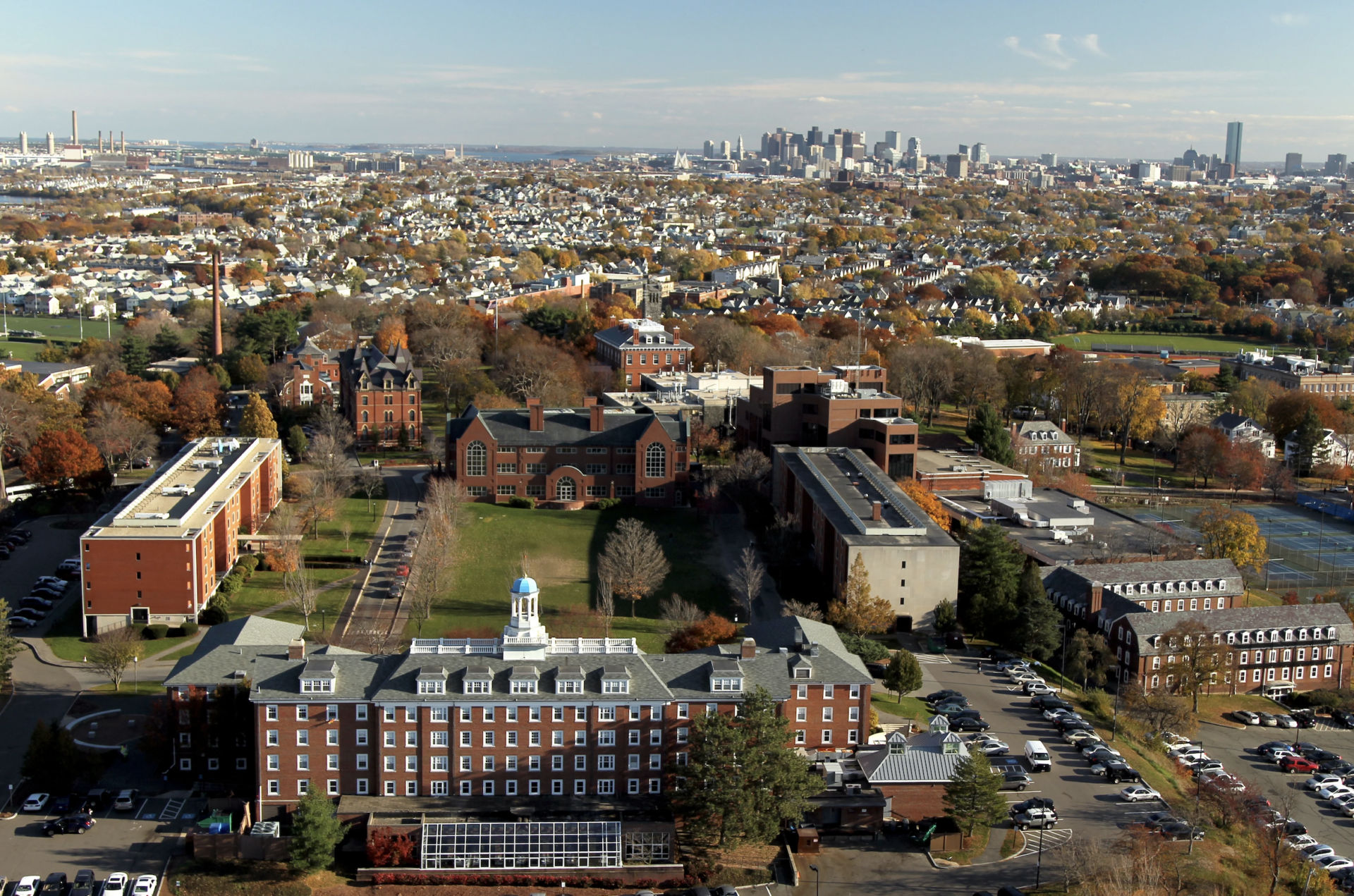
Applicants will access their decisions, either admitted, deferred, or denied, through the online application portal.

This year’s ED I pool exceeded 1,100 applications, reflecting a volume and strength comparable to last year.

Key Details for Admitted, Deferred, and Denied Applicants

  • Admitted Students: Must submit enrollment reply forms and deposits (or waivers) by January 5, 2026. Financial aid applicants with complete documentation will receive award letters alongside admission notifications. Deposit waivers are automatically available for those in need—no separate request required. Bowdoin meets 100% of demonstrated financial need without loans for all admitted students.
  • Deferred Students: Fewer than one in six ED I applicants were deferred this cycle. They will be reconsidered in the Regular Decision pool. Deferred students may submit updates via their portal (preferably in the new year), and counselors are asked to send mid-year grades. No additional materials are required.
  • Denied Applicants: Most decisions will be denials, with no appeals process or option to reapply in another round this cycle.

Upcoming Deadlines and Support for Applicants

Bowdoin reminds prospective students and counselors of flexible policies as the application season continues:

  • Virtual Drop-In Sessions: December 14 (12–1 p.m. EST) and December 18 (8–9 p.m. EST) for application questions.
  • Early Decision II and Regular Decision Deadline: January 5, 2026. School-based materials (transcripts, recommendations, etc.) may arrive after the deadline with no penalty. Offices will be closed late December to early January, encouraging rest for all involved.

Additional accessibility features include automatic application fee waivers for first-generation students or those applying for aid, and a fully need-blind admissions process for all applicants.

For more information, including FAQs, visit the Bowdoin College Admissions website or contact your regional Bowdoin admissions officer. The college extends thanks to counselors for their guidance and wishes everyone a happy new year.

Tufts University Enhances Affordability with New Tuition Pact

Posted on December 10, 2025 by Craig Meister

In a continued push to make higher education more accessible, Tufts University has announced its groundbreaking Tufts Tuition Pact, set to launch for incoming students in Fall 2026. The initiative promises tuition-free attendance for U.S. undergraduate students from families earning less than $150,000 annually with typical assets.

Dean of Admissions and Enrollment Management JT Duck emphasized the university’s commitment in a recent update to counselors and educators. “As a first-generation-to-college student from a low-income family, I know firsthand the transformative power of higher education,” Duck shared, noting Tufts’ efforts to expand access for middle- and low-income families.

Tufts already meets 100% of demonstrated financial need for all admitted students, regardless of citizenship, covering the full cost of attendance. The new pact builds on this by eliminating tuition for qualifying domestic students, complemented by tools like the Instant Net Price Estimator for greater cost transparency. Over the past two years, Pell Grant recipient enrollment has risen from 11% to 16%.

Strong Outcomes and Athletic Success

Tufts graduates continue to excel, with the university ranked in LinkedIn’s top 20 for long-term career success and named one of Forbes’ “New Ivies” for employer favorites. An impressive 96% of recent alumni are employed or pursuing graduate studies/fellowships within six months of graduation.

On the field, the Jumbos dominated NCAA Division III, securing national championships in Men’s Soccer and Women’s Field Hockey this fall, following spring titles in Men’s Lacrosse and Women’s Rowing.

Notable alumni include Gregory Maguire (author of Wicked), Sonia Raman (WNBA Seattle Storm head coach), and Sabih Khan (Apple Chief Operating Officer).

Class of 2029: A Diverse and Accomplished Cohort

Tufts also recently released details on its current first-year class, the Class of 2029, selected from a highly competitive pool.

  • Applications: 33,415
  • Offers of Admission: 3,613
  • Admission Rate: Approximately 10.8% (reflecting Tufts’ selectivity)

Enrolled first-year students total 1,762, with strong representation across demographics:

Category
Percentage/Details
Pell Grant Recipients
16%
First-Generation College Students
12%
International Students
12%
Female / Male
55% / 45%
Asian
19%
Hispanic
12%
Black or African American
6%
White
45%
Two or more races
9%
Public High School
54%
U.S. States Represented
44 (plus DC and territories)

Test-optional policies remain in place, with about half of applicants submitting scores. Middle 50% ranges for submitters: SAT 1470–1560 (combined Reading/Writing and Math), ACT 33–35.

Application Deadlines Approaching

Prospective members of Tufts’ Class of 2030 have until January 5, 2026, for Early Decision II and Regular Decision applications. Supporting materials may arrive later.

With over 150 majors/minors, R1 research status, and a residential campus minutes from Boston, Tufts offers a blend of big-university opportunities and close-knit community.

For more, visit the Tufts Admissions website or explore student blogs for insights into campus life.

  • « Previous Page
  • 1
  • 2
  • 3
  • 4
  • …
  • 49
  • Next Page »

Subscribe to our mailing list

Trending Posts

Dear 9th Grader: Don’t get rejected from the Ivy League so soon!

5 Smart Summer Tips for Wise Rising Seniors

Tulane’s acceptance rate is 13%. Only 34% are male.

USC Expands Early Decision, Eliminates Common App Courses & Grades Section for First-Year Applicants

Many high school counselors mean well but…

You can earn a fully-funded visit to Amherst

2025 Admissions Cycle Brings Change at US Naval Academy

Comparing Undergraduate Life at University of Oklahoma and Oklahoma State University

Is AP Environmental Science a Joke or Justifiable?

Make the most of a college visit this spring

Dear 11th Grader: Don’t Screw Up Your Ivy League Chances Now

University of Miami Just Made It Easier to Apply – But Harder to Get In

ACT Mastery Begins with a Schedule: The Importance of Structured Studying

Most Overrated Private University and Public University in America

8 Ways to Reduce the Cost of College

The 5 Most Ridiculously Underrated Colleges in America

This is what Affirmative Action and Test-Optional looks like at University of Wisconsin-Madison

Which California public universities receive the most applications?

First Impressions of Digital SAT

Avoid Tuition Anxiety: Put Strong Merit Aid Colleges on Your List

30 Summer STEM Camps for High School Freshmen

You CAN apply Restrictive Early Action and Early Action under the right conditions

UNC and a tale of one – make that four – acceptance rates

12 Reasons Scattergrams Lull Students Into a False Sense of Security

Rolling Admission vs. Regular Decision

Top 5 Ways Applying to US Colleges is Different than Applying to UK Universities

Northwestern Releases Regular Decisions, Class of 2027 Statistics

Making the most of the summer before senior year

The Perfect Gifts to Celebrate Getting Into College

Search Posts By Topic

  • 3 Year Degree (3)
  • Accommodations (3)
  • Admissions Policies (133)
  • Admissions Statistics (90)
  • Advice & Analysis (482)
  • AI (1)
  • Alabama (2)
  • Amherst (3)
  • AP (6)
  • Applications (93)
  • Applying from India (1)
  • Arizona (4)
  • Arts (1)
  • ASU (1)
  • Austin College (1)
  • Babson (1)
  • Baylor (1)
  • Berry College (1)
  • Boston College (2)
  • Boston University (6)
  • Bowdoin (2)
  • Brown (6)
  • Bryn Mawr (1)
  • Business (2)
  • BYU (1)
  • Caltech (6)
  • Canada (2)
  • Career and Technical Education (34)
  • Case Western (4)
  • China (1)
  • CMC (1)
  • Coalition (13)
  • Colby (3)
  • College Costs (1)
  • College Counselor (18)
  • College Fairs (5)
  • College Life (38)
  • College List (40)
  • College List Deathmatch (5)
  • College Visit (26)
  • Colorado College (1)
  • Colorado School of Mines (1)
  • Columbia (7)
  • Common App (43)
  • Community Colleges (4)
  • Cornell (5)
  • Counseling (3)
  • COVID-19 (8)
  • CSS PROFILE (3)
  • CSU (1)
  • CSULB (1)
  • CU Boulder (2)
  • Cybersecurity (1)
  • Dartmouth (7)
  • Davidson (1)
  • Demonstrated Interest (17)
  • DePaul (1)
  • Dickinson (1)
  • Direct Admissions (1)
  • Duke (3)
  • Early Action (44)
  • Early Childhood Education (1)
  • Early Decision (46)
  • Education (8)
  • Educational Consulting (1)
  • Elon (2)
  • Emergency Management (1)
  • Emory (1)
  • Engineering (3)
  • Enrichment (18)
  • Entrepreneurship (2)
  • Environmental Science (2)
  • Essays (59)
  • Europe (7)
  • Exercise Science (1)
  • Exeter (1)
  • Experiential Learning (1)
  • Extracurricular Activities (37)
  • FAFSA (6)
  • Feature (2)
  • Financial Aid (31)
  • First Person (13)
  • Fly-In (2)
  • France (1)
  • FSU (1)
  • Gap Programs (2)
  • GED (1)
  • Georgetown (5)
  • Germany (2)
  • Gifts (3)
  • Gonzaga (1)
  • GPA (8)
  • Graduate School (22)
  • Hamilton (1)
  • Harvard (7)
  • Healthcare (3)
  • High School (25)
  • Higher National Diplomas (1)
  • HiSET (1)
  • IB (4)
  • IEC (1)
  • IELTS (1)
  • Indiana (3)
  • Industrial Hygiene (1)
  • International (9)
  • Internships (8)
  • Interviews (10)
  • Iowa (2)
  • Italy (2)
  • Ivy League (20)
  • JHU (3)
  • Journalism (2)
  • Kettering University (1)
  • Lafayette (1)
  • Law (4)
  • LD (1)
  • Lists & Rankings (8)
  • Loans (1)
  • Majors (18)
  • Marketing (1)
  • Math (1)
  • Medicine (1)
  • Mental Health (3)
  • Miami (1)
  • Middlebury (1)
  • MIT (7)
  • Montana State University (1)
  • Moving (1)
  • Naviance (2)
  • NCAA (3)
  • New Mexico State University (1)
  • News (129)
  • Northwestern (5)
  • Notification News (4)
  • Notre Dame (3)
  • Nursing (19)
  • NYU (3)
  • Of Note (17)
  • Ohio State (2)
  • Oklahoma (1)
  • Online Learning (18)
  • Open Admission (2)
  • Parents (7)
  • Penn (8)
  • Pharmacy (1)
  • Pitt (2)
  • Popular Posts (10)
  • Princeton (5)
  • Priority (2)
  • Professor of the Month (1)
  • PSU (3)
  • Psychology (3)
  • Public Universities (8)
  • Purdue (3)
  • Rankings (11)
  • Reader Questions (11)
  • Recommendations (10)
  • Regular (26)
  • Research (4)
  • Resume (20)
  • Rice (4)
  • Robotics (1)
  • Rochester (1)
  • ROI (5)
  • Rolling (5)
  • Rose-Hulman Institute of Technology (1)
  • Santa Clara University (2)
  • Scholarships (2)
  • SEL (1)
  • Sewanee (1)
  • Skiing & Snowboarding (1)
  • SMU (1)
  • Social Work (10)
  • Soft Skills (1)
  • South America (2)
  • Southwestern (TX) (1)
  • Spotlight Series (1)
  • SRAR/SSAR (1)
  • St. Edward's University (1)
  • St. John's College (1)
  • Standardized Tests (45)
  • Stanford (4)
  • STEM (2)
  • Stevens Institute of Technology (1)
  • Student Trips (1)
  • Summer (24)
  • Swarthmore (1)
  • Syracuse (1)
  • TASC (1)
  • Teacher Recommendations (8)
  • Temple (1)
  • Texas (4)
  • Texas A&M (1)
  • Ticker (26)
  • Trending Posts (35)
  • Trinity University (TX) (1)
  • Tufts (5)
  • Tuition (3)
  • Tulane (8)
  • UBC (1)
  • UC Berkeley (9)
  • UC Davis (3)
  • UC Santa Barbara (3)
  • UCAS (5)
  • UCF (1)
  • UCI (2)
  • UCLA (9)
  • UCSD (2)
  • UDub (1)
  • UF (4)
  • UGA (3)
  • UIUC (3)
  • UMass (3)
  • UMD (5)
  • UNC (2)
  • United Kingdom (8)
  • Universal College Application (1)
  • University of Chicago (3)
  • University of Dallas (1)
  • University of New Mexico (1)
  • University of Rochester (1)
  • University of Vermont (1)
  • USC (5)
  • USNA (1)
  • UT Austin (4)
  • Utah (2)
  • UVA (7)
  • Vanderbilt (2)
  • Video Game Design (1)
  • Villanova (3)
  • Virtual Information Session (1)
  • Virtual Visit (2)
  • Wake Forest (1)
  • Wash U (7)
  • Wesleyan (2)
  • Williams (3)
  • Wisconsin (3)
  • Work Study (1)
  • Yale (14)
  • ZeeMee (1)

News Tips | Write for Us | Sponsored Posts
All content © 2025 | Admissions.Blog
Terms of Service | +1 410-526-2558

Copyright © 2026 · Metro Pro Theme on Genesis Framework · WordPress · Log in